
Quietly preparing your vocal part
You want to learn your backing vocal part with accompaniment without singing audibly or disturbing others. Rotterdam Library and BiblioNu ask visitors to avoid causing noise disturbance.


In a quiet library, you can use in-ear monitors to listen to a backing track and prepare your vocal part, but they won’t make your voice inaudible to other visitors. If you want to hear how you sound, practise somewhere you’re allowed to sing. As well as suitable in-ear monitors, you’ll need a microphone and an appropriate monitoring setup.
You want to learn your backing vocal part with accompaniment without singing audibly or disturbing others. Rotterdam Library and BiblioNu ask visitors to avoid causing noise disturbance.
You want to hear your voice alongside the accompaniment in a suitable practice space. You’ll need a complete microphone and monitoring setup. Focusrite describes direct monitoring as a way to listen to the input signal with very little delay.
You practise regularly and want to consider fit, comfort and listening volume. The World Health Organization points out that sound level, listening duration and repeated exposure all matter for hearing health.
Suitable if: you mainly want to listen to a backing track or vocal line in the library while quietly preparing your part.
Bear in mind: check your playback device’s connection and the fit. Wired in-ear monitors won’t automatically feed your voice back to you.
Suitable if: you want to hear your voice alongside the accompaniment somewhere you’re allowed to sing.
Bear in mind: you’ll also need a suitable microphone and interface setup. Check that the entire signal chain works with your equipment.
Suitable if: you need freedom of movement during an authorised rehearsal and are using a complete system.
Bear in mind: check the frequency variant and the venue’s rules. Going wireless won’t make audible singing inaudible.
| What to consider | What should you check? | Who is this important for? |
|---|---|---|
| Avoid disturbing others | Check the library’s rules and don’t sing audibly in a quiet space. | If I want to practise my part in the library, avoiding noise disturbance comes first; around 36% of consumers say keeping things quiet while preparing is their top buying priority. |
| Hear your own voice | Check that the microphone, interface, headphone output and backing track can all be monitored together. | When I want to assess my singing, I want to hear my voice alongside the accompaniment; around 29% of consumers prioritise hearing their own vocals. |
| Fit and seal | Compare the included ear tip sizes and materials, and consider how comfortable they are to wear. | If I practise regularly, I want earbuds that feel comfortable and fit securely; around 21% of consumers give fit and seal their highest priority. |
| Responsible listening volume | Start at a low volume, take listening breaks and don’t automatically turn it up if the seal isn’t right. | When listening repeatedly, I want to manage my sound exposure; around 14% of consumers name responsible listening as their top buying priority. |
Isolation relates to the sounds you hear from outside; it doesn’t make your voice inaudible to other visitors.
Use the library for quiet listening and preparation. Practise singing audibly somewhere you’re allowed to.
To hear your voice in your earbuds, a microphone signal needs to be routed to a monitoring setup.
Before buying, decide whether you only want to listen to a backing track or also monitor your own microphone signal.
To hear yourself, you may need a microphone, a compatible interface and connection cables.
The seal and sound quality partly depend on the ear tips and how they fit your ears.
Check the included tip sizes, find a secure fit and don’t turn up the volume to compensate for a poor fit.
Available frequencies can vary by band and location; some bands require a licence.
Before buying, check the exact frequency variant and the Dutch Authority for Digital Infrastructure’s guidance for the location where you’ll use it.
A frequency band that isn’t suitable for your intended location could make the system unusable there.
The wired SE215 is worth comparing if you’re looking for interchangeable ear tips and a replaceable cable.
The IE 100 PRO is a wired monitor option; the IE PRO BT Connector is a separate accessory.
The ATH-E40 is worth considering if you want to compare different silicone tip sizes and a wired, detachable cable.
The MP-120 is a wired option if you want to compare different types of ear tips.
These in-ear earbuds are intended for listening to a backing track while preparing quietly. They don’t replace a microphone and monitoring setup for hearing your own voice, and they won’t make audible singing inaudible.
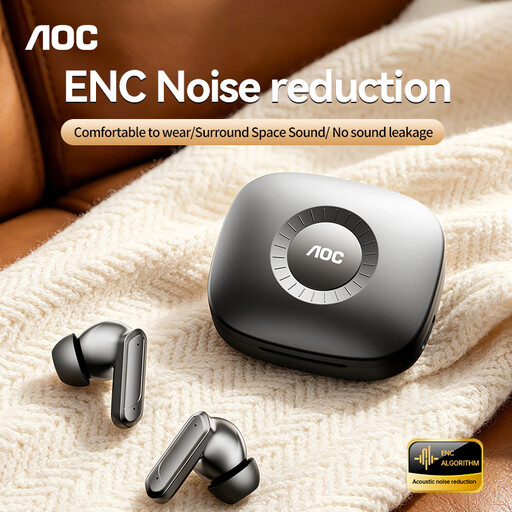 No image available
Could suit you if you want to listen to a backing track wirelessly while preparing quietly; this model won’t make your singing inaudible to others.
Bluetooth 5.4 is listed in the product name. Check that it’s compatible with your playback device.
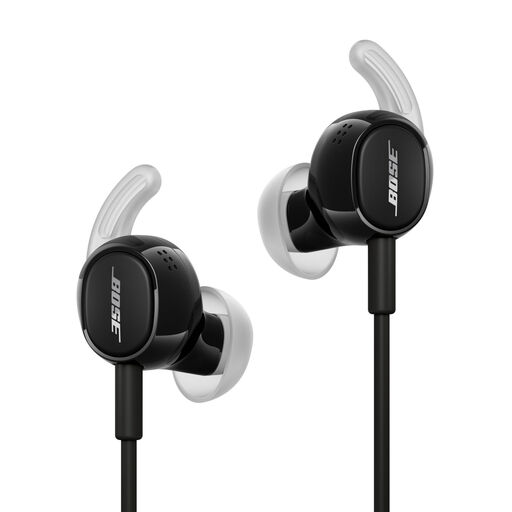 No image available
Could suit you if you’re looking for a wired listening option while preparing quietly; this model won’t automatically feed your voice back to you.
The product name describes a wired version. Before buying, check that the connection is compatible with your playback device.
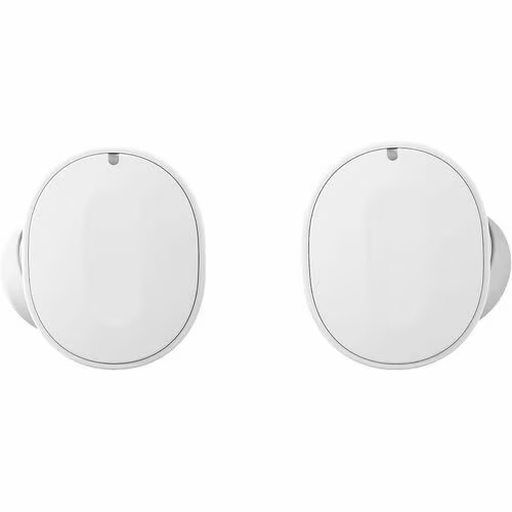 No image available
Could suit you if you’re looking for in-ear earbuds to listen to a backing track while preparing quietly; you’ll also need a microphone and monitoring setup to hear your own voice.
White version.
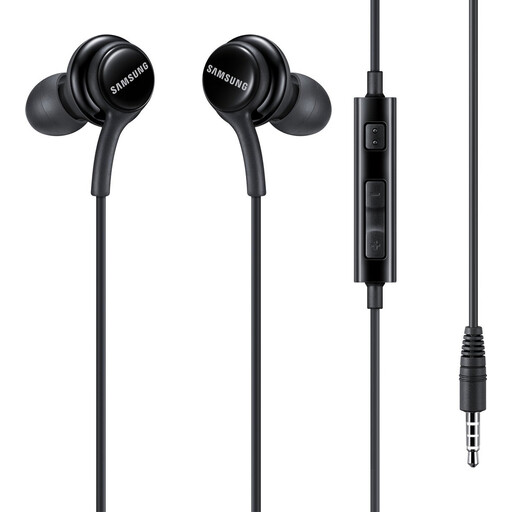 No image available
Could suit you if you’re looking for a wired way to listen to a backing track while preparing quietly; the headset won’t automatically feed your singing back to you.
The product name describes an AUX version. Check that the connection is compatible with your playback device.
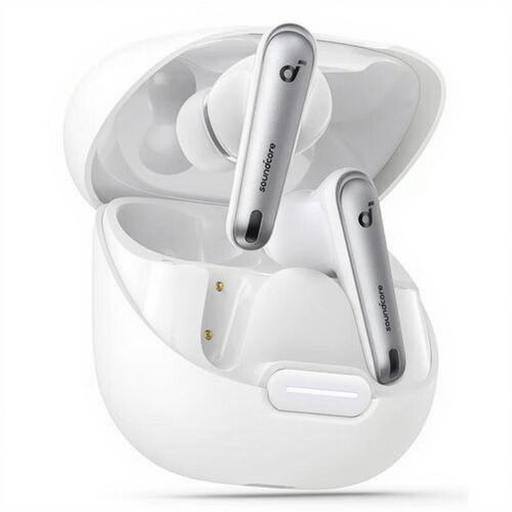 No image available
Could suit you if you want to listen to a backing track wirelessly while preparing quietly; audible singing should still be practised somewhere suitable.
The product name lists Bluetooth. Check compatibility with your playback device.
No, in-ear monitors won’t make your singing inaudible to people around you. Rotterdam Library asks visitors to avoid causing noise disturbance. Check the rules at your own library and practise singing audibly somewhere suitable.
You’ll need a microphone and monitoring setup; in-ear monitors alone aren’t enough. With compatible interfaces, direct monitoring can send the connected microphone signal to the headphone output while the backing track plays. Check that your equipment supports this combination, and only sing somewhere you’re allowed to.
Choose ear tips that feel comfortable and create a good seal. Fit can affect sound quality, so follow the instructions for your specific model and don’t turn up the volume to compensate for a poor seal.
Not always. The Dutch Authority for Digital Infrastructure states that wireless equipment usually doesn’t require a licence, but you must use the correct frequency band. Some bands do require a licence, so check the system’s frequency variant and the current conditions for the location where you’ll use it.
According to the Dutch government, you’re entitled to a product that works as it should, but there is no fixed statutory warranty period that applies to all products in the Netherlands. If there’s a fault, contact the seller; a manufacturer’s warranty is in addition to your statutory rights.