What should you consider when choosing?
Wired in-ear monitors with direct monitoring
Choose this option if: you’re singing and want to hear your microphone signal straight away; check that your interface offers direct monitoring and a suitable headphone connection.
Trade-off: you’ll be connected by cable and may need an audio interface; the earphones themselves won’t necessarily include the monitoring feature you need.
Bluetooth earphones for playback
Choose this option if: you mainly listen to backing music or a previously recorded vocal part, and don’t rely on hearing your own voice in real time.
Trade-off: don’t assume Bluetooth is suitable for live vocal monitoring; consider the delay across the entire signal chain.
Complete wireless monitoring system
Choose this option if: you need to move freely while singing and already have, or are happy to invest in, the necessary transmitter, receiver and audio source.
Trade-off: you’ll need more equipment. For radio IEM, the frequency band used must comply with the Dutch requirements set by the Radiocommunications Agency Netherlands.
First decide whether you want to monitor your own voice live or simply listen back to a recording. For a session before bed, you should also consider fit, how clearly you can hear the vocal part and whether the earphones connect to your existing equipment.
| What to consider |
What to look for |
Who it’s for |
| Hearing your voice straight away |
Check the route from the microphone to the headphone output and whether the interface offers direct monitoring. |
When I sing and listen to backing music at the same time, I want to hear my own voice straight away; around 36% of consumers prioritise direct vocal monitoring. |
| Fit and volume |
Check which tip sizes are included and start at a low playback volume. |
For a short session before bed, I want earphones that create a comfortable seal without pressure; around 29% of consumers prioritise a good fit and listening at a comfortable level. |
| Distinguishing the vocal part |
Check whether you can adjust your voice and the backing music separately in your playback or monitoring setup. |
When I’m learning a harmony, I want to be able to pick it out from the backing music; around 21% of consumers prioritise vocal clarity. |
| Connection and extra equipment |
Check your device’s output, the right plug and which components you already have. |
When I practise at home in one place, I’d prefer to connect to equipment I already use; around 14% of consumers say a simple connection is their main priority. |
Wired in-ear earphones on Joybuy
These Joybuy products are wired in-ear earphones for listening back to backing music or a recording. Check that the connection is compatible with your device; you’ll also need a suitable microphone and signal path to monitor your own voice directly.
 No image available
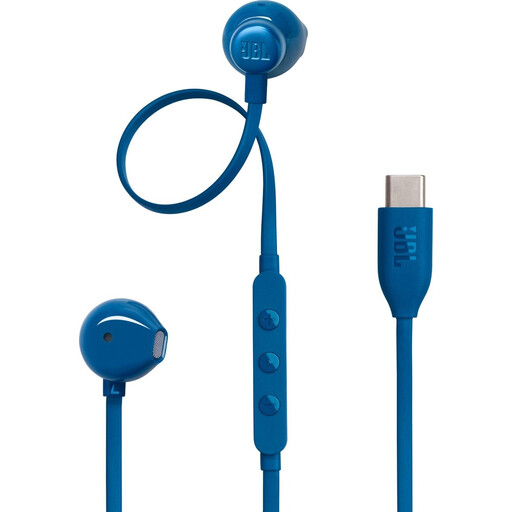
JBL Tune 305C - blue
A wired option for listening to backing music; the earphones alone won’t let you monitor your own singing directly.
Product details list USB-C, a built-in microphone and a vocal EQ preset. Check that your device supports the required USB-C audio connection.
View on Joybuy
 No image available
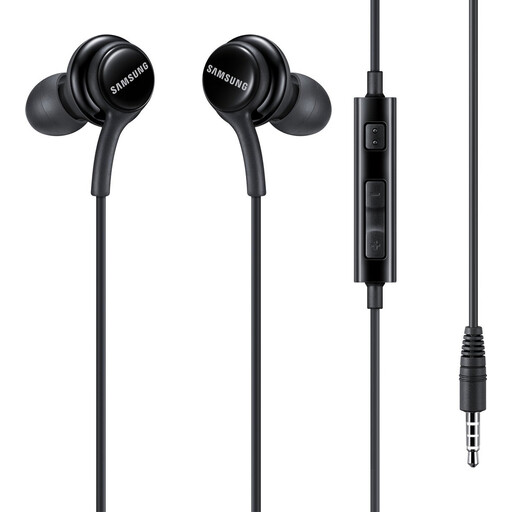
Samsung EO-IA500 - black
A wired option for listening back if your device has a compatible audio output; direct vocal monitoring also depends on your signal path.
The product information lists a 3.5mm connection. Check that your device has this output.
View on Joybuy
 No image available
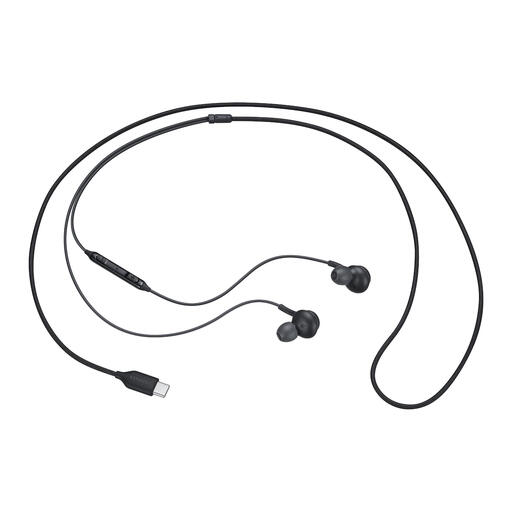
Samsung EO-IC100 - USB-C
A wired option for listening to audio via USB-C; check that your device’s USB-C connection supports audio.
The product information lists a built-in DAC, two-way speakers and several ear tip sizes. The earphones alone don’t guarantee direct monitoring of your own singing.
View on Joybuy
 No image available
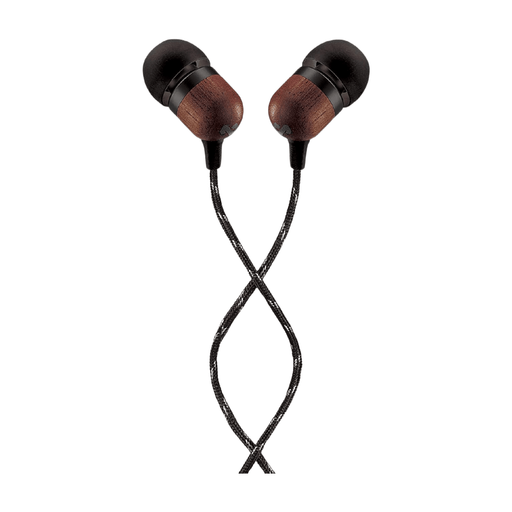
House of Marley Smile Jamaica - USB-C
A wired option for listening back; check that your device supports USB-C audio and that you have a suitable signal path for live monitoring.
The product name lists a 9.2 mm transducer, a built-in microphone and a tangle-resistant cable.
View on Joybuy
 No image available
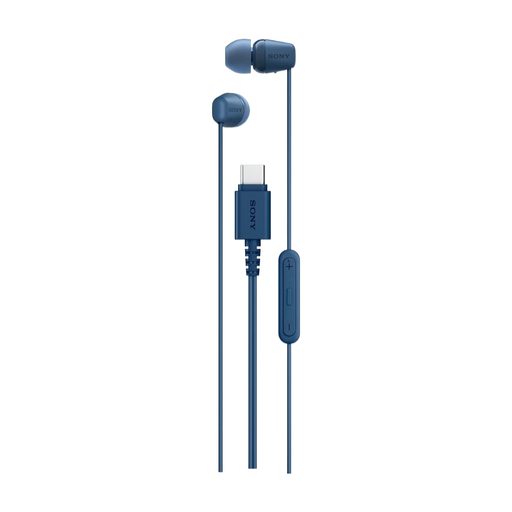
Sony IER-EX15C - USB-C
A wired option for listening back to backing music or a recording; you’ll also need a suitable microphone and signal path for direct vocal monitoring.
The product information lists a USB-C connection, a built-in microphone and a remote control. Check compatibility with your device.
View on Joybuy
Frequently asked questions
Can I hear my own voice straight away with just in-ear monitors?
Not automatically: the earphones play the signal they receive, so you’ll also need a suitable path for the microphone signal. Focusrite describes direct monitoring as sending the input signal straight to the headphone output with virtually no delay.
Do I need to wear in-ear monitors while I sleep if I practise before bed?
No, practising before bed doesn’t mean you need to wear your earphones while you sleep. If you’re considering doing so, also think about prolonged exposure to sound, pressure on your ears, hygiene and the risk of missing important sounds.
How should I look after the ear tips and cable?
Follow the instructions for your exact model. For the SE215, Shure says the sleeve should fit securely and fully over the earphone, and explains how to detach the removable cable carefully; these instructions don’t necessarily apply to other connectors.
Do I need a licence for a wireless in-ear monitoring system in the Netherlands?
Not always: the Radiocommunications Agency Netherlands says that these systems usually don’t require a licence, but the frequency range used must still meet the applicable requirements. Before use, check the frequency band of the specific transmitter and the relevant conditions.
What should I know about return costs when buying online?
For eligible online purchases from a trader, you generally have a 14-day withdrawal period from delivery, according to European consumer information. You may have to pay the return costs yourself if you were informed of this in advance; your rights if a product is faulty are separate from changing your mind. Check who the seller is and which terms apply to the item.


