
Listeners who want to reduce room noise
You share a bedroom and want to hear conversations or other sounds in the room less clearly. A good fit matters more than an isolation figure on its own.


Start with in-ears that fit comfortably and create a good seal. Then compare how vocals, acoustic instruments and bass sound to you at your usual listening volume. A good seal can make sounds in the room less noticeable, but stated isolation figures don’t guarantee the same level of attenuation for everyone. In-ears also won’t block out all sound for someone lying next to you.
You share a bedroom and want to hear conversations or other sounds in the room less clearly. A good fit matters more than an isolation figure on its own.
You want to judge how vocals, acoustic guitar and bass sound at your listening volume. Fit and tip choice can both affect your personal listening experience.
You wear your in-ears for extended periods and want to avoid pressure or an uncomfortable fit. So, check the sizes and materials of the tips supplied, too.
Start with the seal and comfort, then compare the sound and check that the connection is compatible with your playback device.
| What to consider | What should you check? | Who should consider this? |
|---|---|---|
| Seal in a shared room | How the tips fit; the level of isolation you want. | If a housemate’s noise disrupts your listening, you’ll want a good seal without accidentally missing important sounds in the room. Around 36% of consumers put reducing room noise first. |
| The sound of vocals and instruments | Listen to a familiar recording and compare at the same volume. | If you mainly want to hear how voices, strings and bass sound to you when listening to folk, compare the sound for yourself rather than relying on a general description. Around 29% of consumers prioritise the sound of folk music. |
| Fit for longer sessions | Check the tip sizes and materials; assess the fit in each ear. | If you listen for extended periods, you’ll want tips that stay comfortable and create a good seal. Around 21% of consumers say comfort during longer sessions is their top priority. |
| Connection and replaceable cable | Check the source device’s socket and the earphones’ connector. | If your device has a specific connection or you want to replace the cable later, the connector must be compatible with the exact model. Around 14% of consumers put connection or cable replacement at the top of their list. |
The level of isolation you achieve depends, among other things, on your ear canal, the tip you choose and how it fits. A manufacturer’s figure can’t tell you exactly how much sound you’ll hear.
Choose based on fit and the level of isolation you want. Don’t turn up the volume to make up for a poor seal.
The models listed use different connectors: Shure and Sennheiser specify MMCX, while TRUTHEAR and MOONDROP list 0,78mm-2pin for the models mentioned.
Check both the connection on the earphones and the plug needed for your playback device.
Online consumer purchases generally come with a cooling-off period, but an exception may apply to unsealed hygiene products. Whether that exception applies to a particular IEM depends on the specific circumstances.
Before opening any seal, read the terms and conditions that apply to your purchase.
The SE215 is a wired IEM worth comparing if you care about having a choice of tips and passive isolation.
The IE 200 is a wired option worth comparing if you want to consider tip material and position when choosing your sound.
The ER2XR is an alternative to consider if passive isolation and the bass response described by the manufacturer matter to you.
The GATE and HEXA are separate wired models, each with its own features to compare.
The CHU II is a wired option worth comparing if a replaceable cable and a choice of tip sizes matter to you.
These Joybuy products are in-ear options to compare for listening to music in a shared bedroom. For each model, consider the fit, connection and available sound settings.
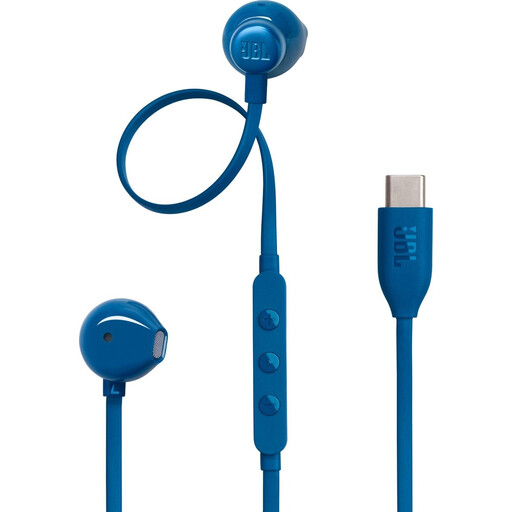 No image available
A wired option if your playback device supports USB-C audio.
The product information lists EQ presets for vocals and bass, plus in-line controls.
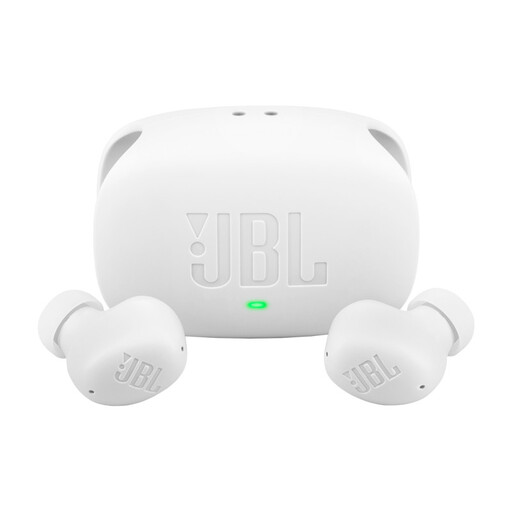 No image available
An option to consider if you want to listen wirelessly and adjust the sound settings.
The product information lists active noise cancelling, Smart Ambient and EQ adjustment via the JBL Headphones app.
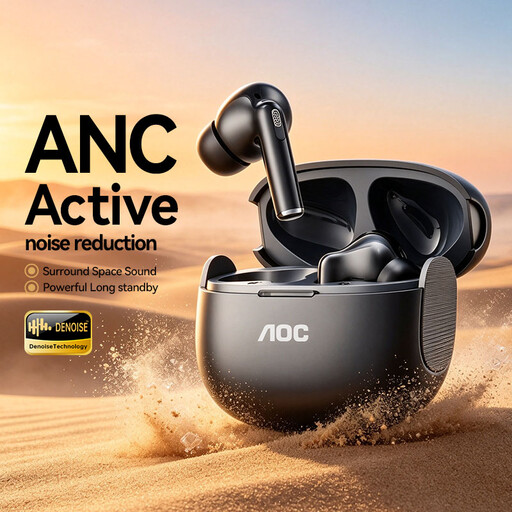 No image available
A wireless option to compare if you’re looking for ANC and touch controls.
The title lists Bluetooth 6.0; the product information mentions ANC and a charging case with a digital display.
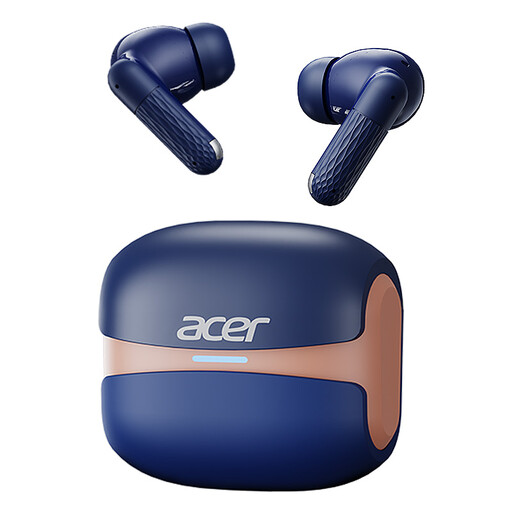 No image available
A wireless option if you don’t want to use a wired connection.
The title lists Bluetooth 5.4 and a Type-C charging case. The product information mentions touch controls.
 No image available
A wireless option to consider if ANC and adjustable EQ suit your listening preferences.
The product information lists ANC, an adjustable 9-band equaliser, and ear tips and fins in several sizes.
No, don’t automatically turn up the volume to drown out noise in the room. The WHO lists well-fitting earphones and noise-cancelling headphones as ways to reduce the need for higher volume in noisy environments.
Try the supplied sizes and materials, and check that each tip feels comfortable and creates a good seal. Shure says your ear canal, tip and fit affect the isolation achieved; Sennheiser lists silicone and foam tips in S, M and L for the IE 200.
The manufacturers describe detachable cable connections for the SE215, IE 200, GATE and CHU II mentioned above. Shure and Sennheiser list MMCX; TRUTHEAR and MOONDROP list 0,78mm-2pin for the models mentioned. Check the connector type for the exact version before buying.
For eligible online consumer purchases, you generally have a statutory 14-day cooling-off period after delivery, as explained by the ACM. An exception may apply to unsealed hygiene products; whether it applies to your IEM isn’t automatically determined by the product category. If a product is faulty, you’re entitled to goods that meet the required standard, and the retailer is your point of contact. According to the Dutch government, there is no fixed statutory guarantee period in the Netherlands.