What should you look for when choosing?
Start with the connection and fit, then compare the sound using recordings you know. This helps you assess comfort, seal and sound separately, without treating technical figures as proof of better chord recognition.
| Priority |
What to look for |
For which consumers |
| Following chord notes |
Compare familiar recordings at your usual low volume and check the seal first. A manufacturer’s description of the sound won’t predict how well you recognise chords. |
If I want to pick out notes in a recording, I prioritise the sound over extra bass. Around 36% of consumers put sound at the top of their list when buying. |
| A seal in a shared room |
Check which sizes and types of ear tips are included and whether they give you a comfortable seal. A stated noise reduction figure isn’t a guaranteed result for your ears. |
If I don’t want to disturb others with speakers, I look for a good fit that reduces sound leakage. Around 29% of consumers prioritise a good seal. |
| Comfort and listening volume |
Check the available ear tip sizes and take breaks during long listening sessions. Don’t turn up the volume to compensate for a poor fit. |
If I replay short extracts often, I want ear tips that stay comfortable and a volume I can control. Around 21% of consumers prioritise comfort and listening exposure. |
| Connection and replaceability |
Check the connections on both the in-ear monitors and your playback device. Also check that the cable and any replacement parts are compatible with the exact model. |
If I want to be able to replace cables or parts, I check the connectors before choosing a model. Around 14% of consumers prioritise the connection and replaceability. |
Joybuy products
The selection below includes wired and wireless in-ear monitors. Check the connection and product details of the version you’re considering, and compare them with your playback device and listening situation.
 No image available
Samsung Galaxy Buds4 Pro True Wireless
These wireless in-ear monitors may suit you if you want to listen without speakers and adjust the sound settings.
The product description lists active noise cancellation, a 9-band equaliser and 2-way speakers.
View at Joybuy
 No image available
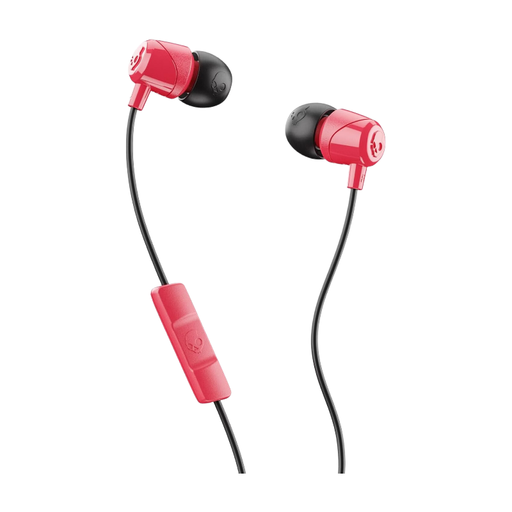
Skullcandy Jib In-Ear W/Mic 1 - Red
These wired in-ear monitors may suit you if you’re looking for a 3.5mm connection and a choice of ear tips.
The product description lists a 3.5mm connection, several silicone ear tips and in-line controls.
View at Joybuy
 No image available
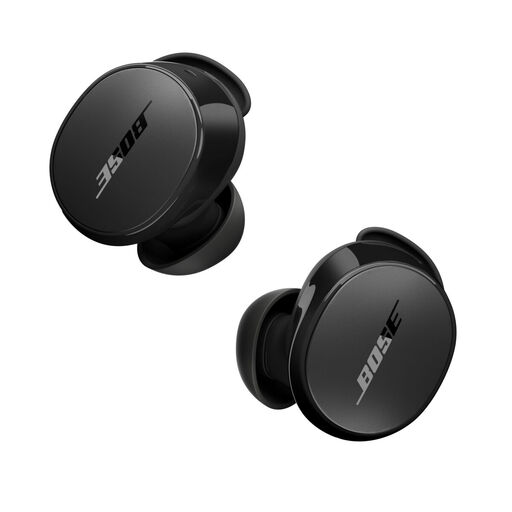
Bose QuietComfort Earbuds Black
These wireless in-ear monitors may suit you if you want to compare ear tip sizes and take the product description of active noise cancellation into account.
The product description lists active noise cancellation and a fit kit with ear tips in three sizes.
View at Joybuy
 No image available
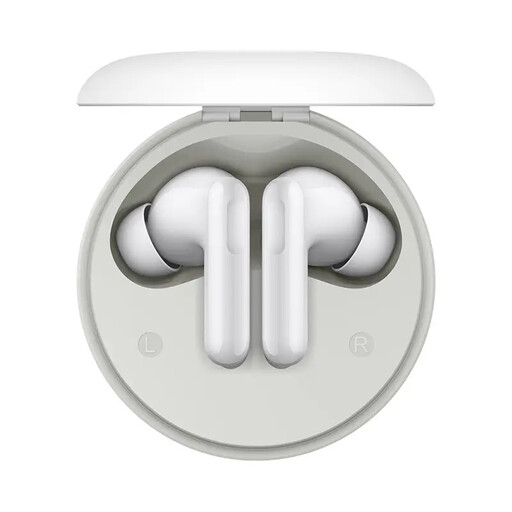
HONOR Earbuds A Pro
These wireless in-ear monitors may suit you if you want to compare active noise cancellation and the stated product specifications with your own listening needs.
The product title lists a 12.4 mm driver, 49 dB active noise cancellation and 42-hour battery life.
View at Joybuy
 No image available
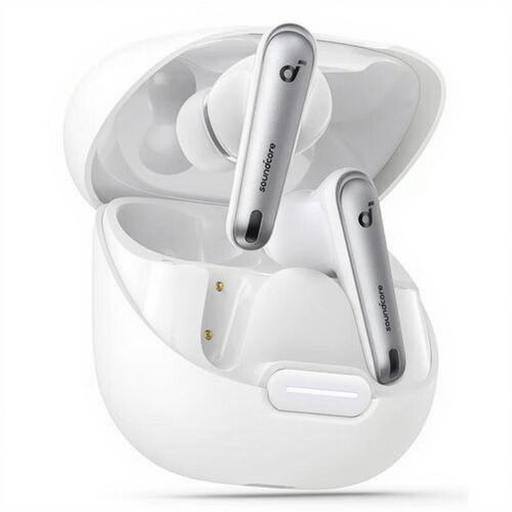
soundcore Liberty 4 NC Wireless In-Ear Earbuds White
These wireless in-ear monitors may suit you if you want to compare wireless connectivity and a choice of ear tips.
The product description lists Bluetooth, noise cancellation and extra ear tips.
View at Joybuy
Frequently asked questions
Can an in-ear monitor automatically name a chord?
No. An in-ear monitor plays sound, but it doesn’t recognise or name chords. You can listen to extracts again and compare the notes yourself.
How do I check the fit and care for the ear tips?
Try the supplied ear tip sizes without forcing them, and follow the care instructions for your specific model. Shure’s SE215 manual notes that a poor seal can reduce bass response.
Is stronger isolation a reason to listen at a higher volume?
No. VeiligheidNL points out that a good seal can help you keep the volume lower, while the World Health Organization emphasises that both volume and listening time matter. The WHO gives 80 dB for up to 40 hours a week as an example of safe exposure, not as a measured level for any of these earphones.
Can I always return in-ear monitors bought online after trying them on?
Not unconditionally. For an online purchase from a business in the Netherlands, you generally have a 14-day cooling-off period, according to the Rijksoverheid. The Court of Justice of the European Union describes an exception for certain sealed goods that aren’t suitable for return for health or hygiene reasons once unsealed; this doesn’t automatically exclude every opened in-ear product. Check the specific seal and returns policy before buying.
Does a CE mark prove that the sound is good or that the listening volume is safe?
No. Business.gov.nl explains that a CE mark isn’t a quality mark; it indicates that the manufacturer declares the product complies with the relevant EU rules. The mark doesn’t prove sound quality or establish what volume is safe for your listening situation.


