What should you look for when buying?
First, choose between passive isolation and an adjustable ambient sound mode; then check the fit and connection. The WHO recommends well-fitting earphones to reduce the need for extra volume in noisy situations.
| What to consider |
What to look for |
Who is this important for? |
| Following speech |
Try the supplied tip sizes and assess the seal at a comfortable volume. |
If I want to follow a cooking podcast in a noisy train carriage, I look for a good seal so I don’t have to turn the volume up straight away. Around 33% of consumers put speech clarity first. |
| Comfort and fit |
Compare the supplied sizes and materials, and assess how they feel during a typical listening session. |
I want my earphones to feel comfortable throughout my train journey, so I look for a tip that fits my ears. Around 27% of consumers prioritise comfort over long periods. |
| Hearing announcements |
Decide whether pausing or removing an earphone is enough, or whether you want an adjustable ambient sound mode. |
If I want to quickly shift my attention to an announcement while listening to a podcast, I consider how I can let in ambient sound. Around 20% of consumers make awareness of their surroundings their top buying priority. |
| Connection and parts |
Check your device’s connection and the exact connector type of any replacement cable. |
I want to know in advance whether wired earphones will connect to my device and which parts can be replaced. Around 20% of consumers start with compatibility and maintenance. |
Joybuy products for listening on the train
This selection includes wired in-ear headphones and a wireless option. Compare the connection, fit and ability to hear ambient sound with what you need on your train journey.
 No image available
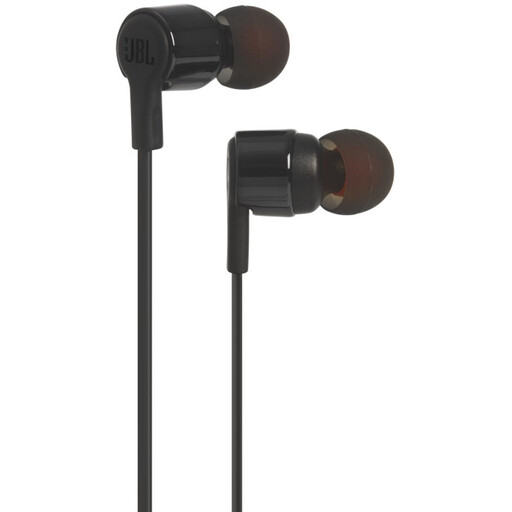
JBL Tune 210, wired, black
A wired option if your device has a suitable 3.5mm connection.
The product name lists a microphone and a 3.5mm connection; the product information mentions several ear tip sizes.
View at Joybuy
 No image available
Bose Noise Cancelling Wired Earbuds, black
A wired option to consider if your device supports USB-C audio.
The product name lists noise cancelling; the product information mentions several ear tip sizes and stability wings. Check that your device is compatible with USB-C.
View at Joybuy
 No image available
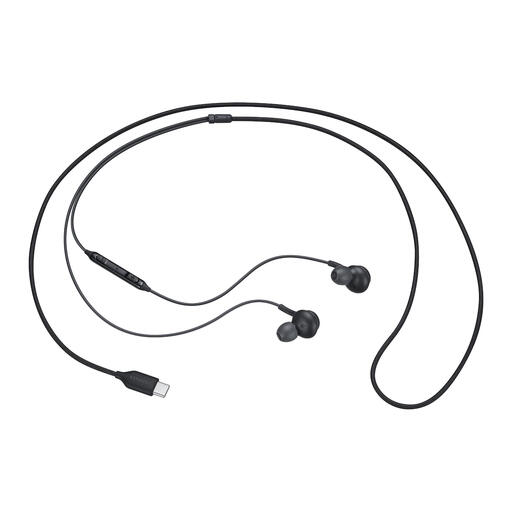
Samsung EO-IC100, USB Type-C, black
A wired option for a device with a compatible USB-C audio connection.
The product name lists a USB Type-C connection; the product information mentions several ear tip sizes.
View at Joybuy
 No image available
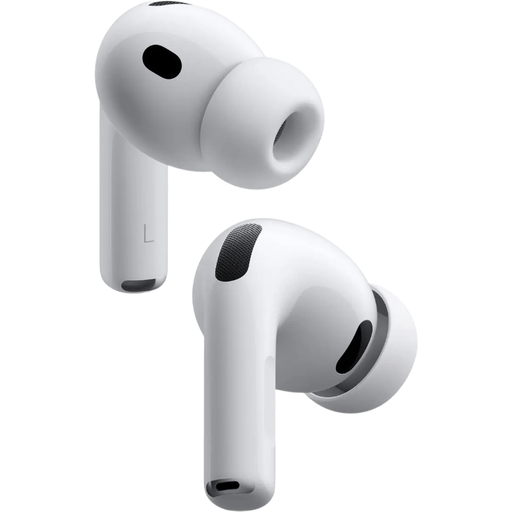
Apple AirPods Pro 3
A wireless option if you want to switch between noise cancelling and ambient sound.
The product information lists active noise cancelling, a transparency mode and five sizes of silicone ear tips. Wireless use requires charging.
View at Joybuy
 No image available
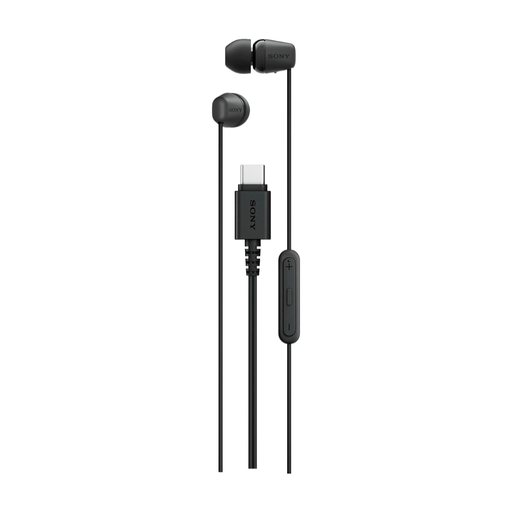
Sony IER-EX15C, USB Type-C, black
A wired option for a device with a compatible USB-C audio connection.
The product name lists a microphone and in-line controls. The stated passive noise reduction depends on the fit.
View at Joybuy
Frequently asked questions
Should I turn up the volume when the train gets noisy?
First try a better-fitting tip or pause your listening instead of continually turning up the volume. The WHO recommends well-fitting earphones to reduce the need for extra volume in noisy situations; this isn’t a Dutch legal volume limit.
How should I fit and maintain the earphones?
Try the supplied tip sizes, following the instructions for your model. MOONDROP lists replaceable acoustic filters for the CHU II; follow the model-specific instructions for maintenance and check that parts are compatible with your model.
What if the cable breaks?
Shure lists a detachable MMCX cable for the SE215, while Sennheiser lists an MMCX cable for the IE 200. Before replacing it, check that the cable is compatible with the exact model. If the product is faulty, your statutory right to a product that meets the required standards still applies; contact the seller.
What are my rights when buying online in the Netherlands?
When you buy from a business online, you generally have a 14-day cooling-off period, although there are exceptions. You’re also entitled to a product that meets the required standards. According to the Dutch government, there’s no fixed statutory guarantee period for all products; if something is faulty, the seller must provide a solution.


