Who are in-ear headphones for practising on the train relevant for?

Singer listening out for a second vocal part

You replay a recording to follow the pitch and phrasing of your own part. Look for a balanced sound and a good fit; the Consumentenbond explains how in-ear headphones seal the ear canal. Product descriptions from Sennheiser and Shure are not tests of how well you can learn to sing harmonies.

Commuter distracted by train noise

You want to be able to follow the recording at a sensible volume and decide whether passive isolation or ANC suits your needs better. The World Health Organization recommends well-fitting, noise-cancelling headphones to help reduce the temptation to turn up the volume in noisy environments.

Traveller who practises in short sessions

You often start and stop your practice material during the journey, and are weighing the convenience of going cable-free against being able to listen without charged batteries in your earbuds. Also check that you can still hear announcements and other relevant sounds around you.

What should you look for when choosing?

Wired in-ear headphones

Choose this option if: you often replay passages, have a compatible connection and don’t want to charge a battery.

Bear in mind: the fit affects the seal, and a cable can be awkward if you get up often.

Wireless in-ear headphones with ANC

Choose this option if: freedom of movement and reducing background noise during your journey are important to you.

Bear in mind: you’ll need Bluetooth and a charged battery; ANC doesn’t guarantee that voices on the train will disappear.

Consideration What to look for Who it’s relevant for
Following your own vocal line Listen with your own practice material and check whether it includes a separate part or an adjustable mix. In-ear headphones can’t isolate a voice that isn’t separate in the recording. I mainly want to be able to follow my own part in the mix. Around 33% of consumers put this first when choosing what to buy.
Reducing train noise Compare passive isolation with ANC and check the fit. Manufacturers’ isolation figures can’t be directly compared with ANC performance. I want to hear my recording without turning up the volume to overcome background noise. Around 27% of consumers put noise reduction first.
Comfort and seal Check which ear tip sizes are included and whether the fit stays comfortable during a longer listening session. A deeply sealing design isn’t automatically more comfortable. I want earbuds that stay comfortable and seal well throughout my journey. Around 20% of consumers put fit first.
Connection and charging Check your playback device’s connection and whether you’ll need an adapter. For wireless models, compare the stated battery life with ANC on. I want to replay passages often without worrying about a cable or recharging. Around 20% of consumers put convenience first.

Common buying mistakes

  • Confusing ANC with isolating a single vocal part

    ANC reduces background noise, but it won’t make a vocal line mixed with other voices easier to hear on its own.

    First, check what your practice recording and any mix settings offer. Then decide which level of noise reduction and sound balance matter to you.

  • Assuming an isolation figure guarantees performance on the train

    Shure states that the SE215 provides up to 37 dB of isolation; the actual seal also depends on the fit. ANC and passive isolation are different features, too.

    Check the ear tip sizes and comfort. If noise reduction isn’t as good as you’d hoped, don’t automatically turn up the volume.

    If the standard ear tips don’t fit well, you may need different tips that fit properly.

  • Checking the connection or charging needs only after buying

    The wired models mentioned have a 3.5mm plug; wireless models rely on a charged battery. Your playback device needs to be compatible with the connection you choose.

    Before buying, check the connection and whether you’ll need an adapter. For wireless models, look at the stated battery life with ANC on.

Brands to compare

Sennheiser

The wired IE 200 is worth considering if you’re looking for compact in-ear headphones with a 3.5mm connection for listening to practice recordings.

  • Sennheiser says the IE 200 is tuned for balanced sound, and comes with an MMCX cable and silicone and foam ear tips.
  • These product features don’t prove that the model will help you hear a harmony part better. Check the connection and fit.

Shure

The wired SE215 is an option if interchangeable ear tips and a replaceable cable are important to you.

  • Shure states that the SE215 has a detachable MMCX cable and provides up to 37 dB of isolation.
  • The stated isolation doesn’t guarantee the same noise reduction for every wearer or on every train. Check the fit and whether you need a 3.5mm connection.

Sony

The wireless WF-1000XM5 is worth considering if ANC, an ambient sound mode and cable-free use are your priorities.

  • Sony states that this model has an ambient sound mode and offers up to 8 hours of music playback with noise cancelling on.
  • The stated maximum battery life isn’t guaranteed for your settings or use. ANC doesn’t guarantee that voices on your train will disappear.

Etymotic

The wired ER2SE is an option that focuses on passive isolation and, according to the manufacturer, a flat frequency response.

  • Etymotic claims that the ER2SE specifically provides 35–42 dB of passive noise reduction.
  • The stated noise reduction doesn’t guarantee a good seal or comfortable fit for you. Don’t assume a deep fit will feel the same as other in-ear headphones.

Products at Joybuy

This selection includes wired and wireless in-ear headphones for listening to practice material on the go. Before buying, check the connection, controls you want and fit.
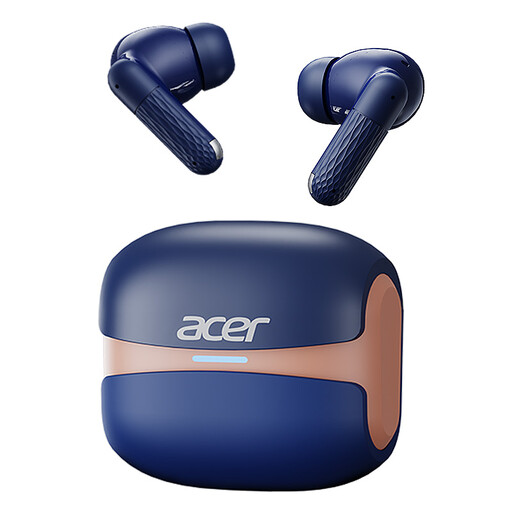
Acer OHR548 wireless in-ear earbuds

Acer OHR548 wireless in-ear earbuds

A wireless option if you want to listen to practice material on your journey without a cable.

Bluetooth 5.4; charging case with Type-C connection.

View at Joybuy
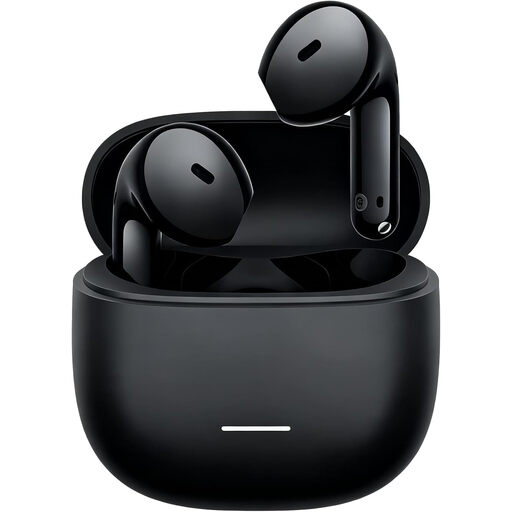
REDMI Buds 8 Active Black

REDMI Buds 8 Active Black

Wireless earbuds for listening to practice material on your journey without a cable.

Bluetooth audio; charging case included.

View at Joybuy
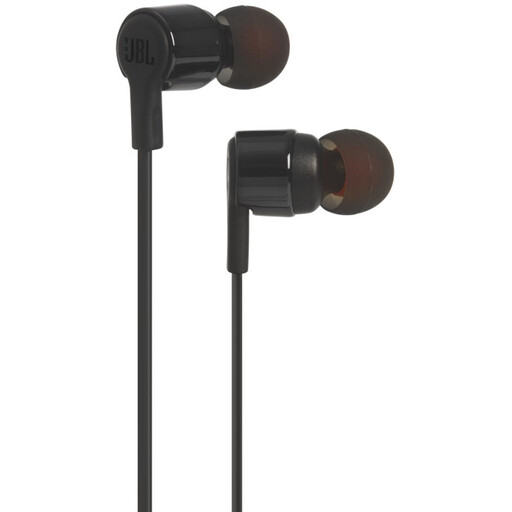
JBL Tune 210 wired in-ear earbuds

JBL Tune 210 wired in-ear earbuds

A wired option if you don’t want to have to charge the earbuds while practising.

3.5mm connection; the product information lists several ear tip sizes.

View at Joybuy
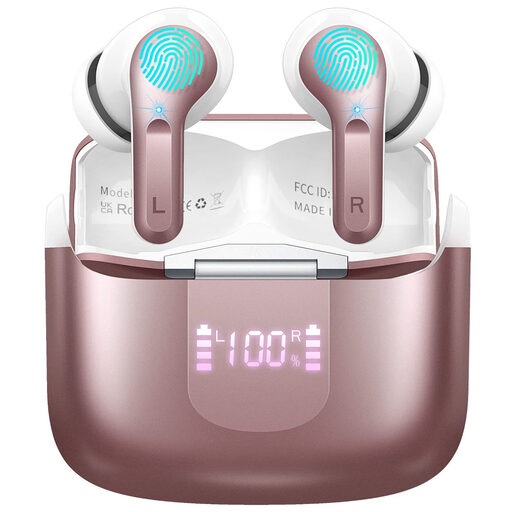
Bluetooth in-ear earbuds 2026 in rose gold

Bluetooth in-ear earbuds 2026, Rose Gold

A wireless option if you want to listen to your practice material on your journey without a cable.

Bluetooth 5.4; USB-C; stated battery life of 48 hours.

View at Joybuy
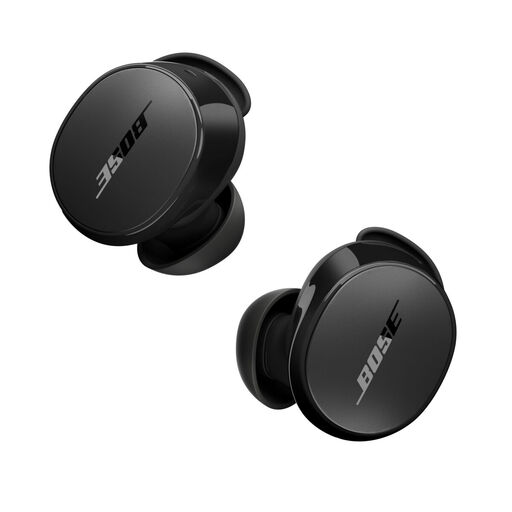
Bose QuietComfort Earbuds Black

Bose QuietComfort Earbuds Black

A wireless option if you want ANC and an ambient sound mode is also important to you.

ANC; Aware mode; charging case and several ear tip sizes, according to the product description.

View at Joybuy

Frequently asked questions

Do I need ANC to practise a harmony part on the train?

No, ANC isn’t essential: well-fitting in-ear headphones can also reduce background noise passively. ANC may be worth considering if constant vehicle noise bothers you. Compare the fit and listen with your own practice material; ANC won’t separate a vocal part from a mixed recording.

Can I plug wired in-ear headphones straight into my phone?

Only if your phone supports the connection or you use a suitable adapter. The Sennheiser IE 200 and the Shure SE215 version described here have a 3.5mm plug, so check the connection on your device before choosing.

How do I keep the earbuds clean, and will they still seal properly?

Follow the cleaning and fitting instructions for your chosen model. Shure provides instructions on how to fit and clean the SE215 earpieces. Check regularly that the ear tips are secure and still make a comfortable seal.

What can I do if my in-ear headphones turn out to be faulty during normal use?

If you’ve bought them as a consumer in the Netherlands, you can contact the retailer under your statutory guarantee rights. According to the Dutch government, the Netherlands has no fixed statutory guarantee period of two years; what you can expect from a product depends on the circumstances. A manufacturer’s guarantee is separate from your statutory rights.

Can I sing along out loud in the quiet carriage?

According to NS’s house rules, the Quiet Zone must be genuinely quiet. NS also asks passengers not to disturb others on the train with loud music. So practise there without singing audibly, and make sure sound isn’t leaking to other passengers; this is an NS rule.

What’s a sensible volume for practising repeatedly?

The World Health Organization recommends using well-fitting earbuds and not turning up the volume just because your surroundings are noisy. As examples, the WHO cites an average of 80 dB for up to 40 hours a week, and 90 dB for four hours a week. These are exposure guidelines, not a guaranteed safe volume setting for every device.
