What should you look for when choosing?
Start with fit and speech clarity at a sensible volume. Then choose between wired listening, with no headphone battery to worry about, and wireless listening with active noise cancelling. Also check how you can stay aware of important announcements.
| What to consider |
What should you check? |
Who is this important for? |
| Speech clarity on the train |
Try ear tips that create a good seal and listen to spoken words at a sensible volume. |
If I want to follow the narrator despite background noise, I’ll pay particular attention to the seal. Around 29% of consumers say speech clarity is their top priority. |
| Fit during long listening sessions |
Check which sizes and materials of ear tips are included and whether they feel comfortable to wear. |
If I’m listening for a long time, I want ear tips that stay comfortable without causing unpleasant pressure. Around 23% of consumers put fit first. |
| Connection and playback time |
Compare the plug with your device’s port. For wireless headphones, check the stated playback time in the mode you want to use. |
If I don’t want to stop during a journey to recharge my headphones, I’ll check the connection or the battery life of a wireless model. Around 18% of consumers say connection and uninterrupted playback are their main concerns. |
| Being able to hear announcements |
Check whether you can pause the audio quickly and whether a wireless model has an ambient sound mode. |
If I don’t want to miss travel announcements, I want to be able to pause my story easily or let in ambient sound. Around 18% of consumers prioritise being able to hear travel information. |
| Maintenance and replaceable parts |
Check whether suitable replacement ear tips and, where relevant, a replacement cable are available. |
If I use my headphones regularly, I want to know whether worn ear tips or a cable can be replaced separately. Around 12% of consumers put maintenance and replacement costs at the top of their list. |
Joybuy products for listening on the train
This selection includes wired in-ear headphones and wireless in-ear headphones with noise cancelling, so you can compare options based on your device, listening habits and need to hear ambient sound.
 Image unavailable
Samsung Galaxy Buds4 Pro True Wireless
Wireless in-ear headphones to consider if you want to listen without a cable and are looking for active noise cancelling.
View at Joybuy
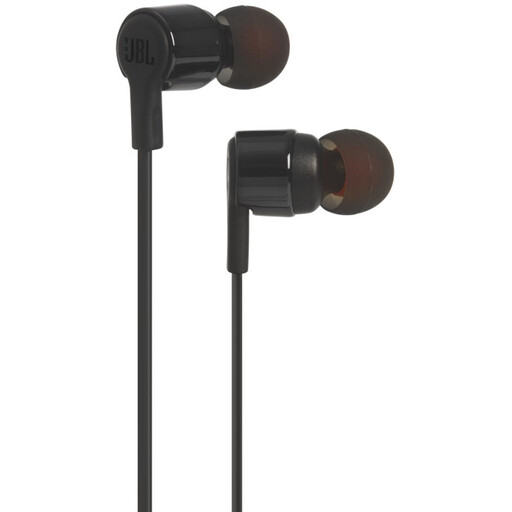 Image unavailable
JBL Tune 210 Wired In-Ear Earbuds, Black
A wired option if you want to listen without having to recharge your headphones. The product title lists a 3.5mm connection; check that it fits your device.
View at Joybuy
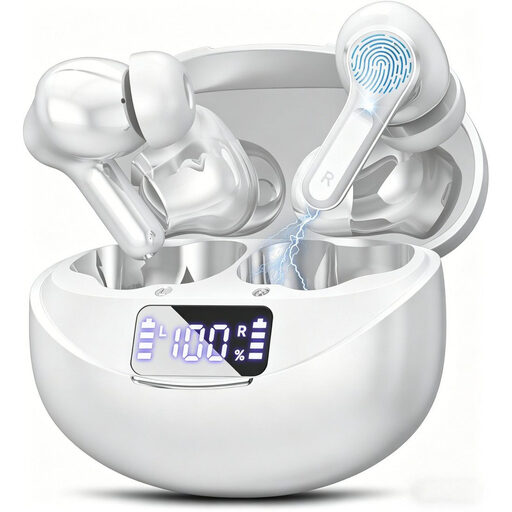 Image unavailable
Wireless Bluetooth In-Ear Earphones with Noise Cancelling
Wireless in-ear headphones to compare if you’re looking for Bluetooth and noise cancelling. Check the product specifications and playback time to make sure they suit the way you listen.
View at Joybuy
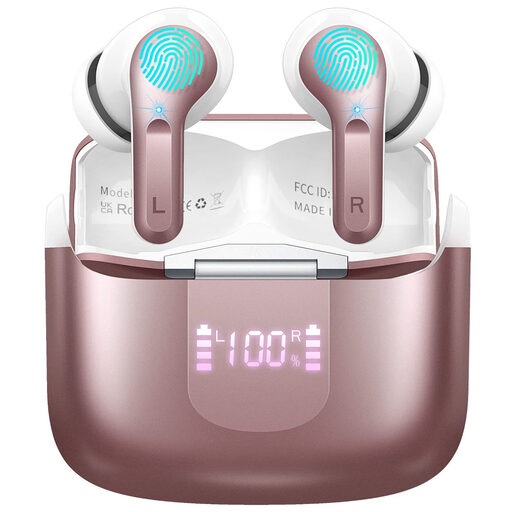 Image unavailable
Bluetooth In-Ear Headphones, Bluetooth 5.4, Rose Gold
Wireless in-ear headphones to consider if you’re looking for Bluetooth and a USB-C connection. The product title lists Bluetooth 5.4, IPX7 and 48 hours of battery life; check the conditions under which that figure applies.
View at Joybuy
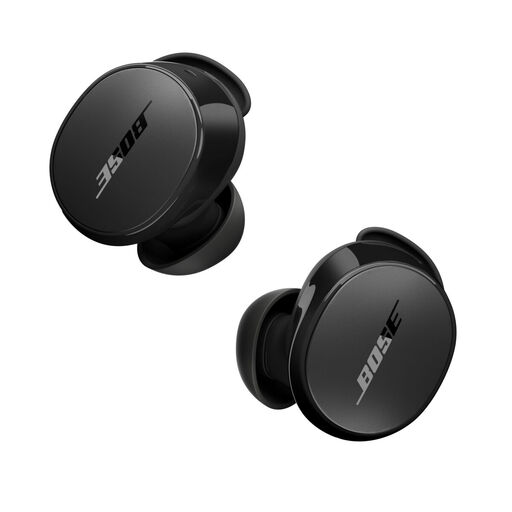 Image unavailable
Bose QuietComfort Earbuds Black
Wireless in-ear headphones to consider if you want active noise cancelling and the option to let in ambient sound temporarily. The product information lists an Aware mode and up to 8.5 hours of battery life per full charge.
View at Joybuy
Frequently asked questions
Do you need active noise cancelling for listening to an audiobook on the train?
Not necessarily: well-fitting in-ear headphones that create a good seal can also reduce background noise passively. Active noise cancelling may suit you if you mainly want to reduce persistent travel noise and listen wirelessly. Fit and playback time are worth considering too.
How can you avoid turning up the volume to drown out train noise?
Start with ear tips that fit well and keep the volume at a sensible level. The WHO recommends well-fitting headphones in noisy situations, but the right setting also depends on your device and listening conditions.
What should you look for in the fit and maintenance of IEMs?
Choose ear tips that feel comfortable and follow the fitting and cleaning instructions for the specific model. Check whether suitable replacement ear tips are available and, if the cable is replaceable, whether you can get the right replacement cable.
What should you consider with wired and wireless in-ear headphones?
For wired headphones, check that the plug fits your device and whether you’ll need an adapter. For wireless models, check the playback time of the headphones themselves in the mode you want to use. Battery life with a charging case isn’t the same as continuous playback.
Can you play an audiobook in an NS quiet zone?
NS rules state that quiet zones must be genuinely quiet and that passengers must not disturb others anywhere on the train with loud conversations or music. So keep your audiobook audible only to you. This information applies to NS trains and doesn’t automatically apply to every train operator.


