
Singer in a noisy home
Wants to follow a harmony line in a recording without continually turning up the volume. The seal created by the ear tips and the type of background noise both play a part.


If you want to follow a harmony line in a recording, well-fitting wired in-ear headphones with a passive seal are a sensible place to start. If the main issue is constant, low-level background noise, wireless noise-cancelling headphones may be an alternative. To hear your own voice amplified, you’ll also need a working microphone and monitoring setup: the earphones alone won’t create that mix. Choose a comfortable fit and keep the volume at a sensible level, as the isolation you experience at home depends on the fit and the type of noise.
Wants to follow a harmony line in a recording without continually turning up the volume. The seal created by the ear tips and the type of background noise both play a part.
Wants to hear their own voice in a monitor mix while singing along. As well as earphones, this requires a suitable signal path from the microphone to a personal mix.
Is looking for a seal that stays comfortable during longer practice sessions, and compares different tip sizes or, if universal tips aren’t suitable, custom-made options.
Choose this option: if you mainly want to follow a harmony line in a recording and block out sounds around the house.
Bear in mind: a sealed fit can take some getting used to and lets in less ambient sound. Also check that your playback device has a compatible connection.
Choose this option: if freedom of movement matters and the disruptive noise is mainly constant, such as the sound of ventilation.
Bear in mind: according to Sony, noise cancellation works best with constant, low-frequency noise. Voices that come and go may still be audible, and you’ll need to recharge the headphones.
Choose this option: if, after trying them carefully, universal tips still don’t provide a good seal or remain uncomfortable.
Bear in mind: custom-made options require an impression to be taken. Before ordering, check the terms and conditions for the product you’ve chosen.
| What to consider | What to look for | Who it matters to |
|---|---|---|
| Blocking out background noise | Try the available tip sizes and consider which sounds around the house you still want to hear. A quoted noise reduction figure doesn’t guarantee the same result for you. | If voices or other sounds at home drown out the recording, finding a good seal should come first. Around 29% of consumers in this practice scenario say sound isolation is their top priority. |
| Following the harmony line | Compare the tonal balance with your own practice recording. Preferring more or less bass doesn’t prove that one model reproduces vocals more accurately than another. | If you’re trying to pick out a particular vocal line in a recording, you’ll want to hear whether it’s easy for you to follow. Around 24% of consumers put vocal clarity first. |
| Hearing your own voice | Check which microphone, inputs, mixing options and headphone output you have. Assess the whole signal path, not just the earphones. | If you want to hear your own voice in the mix while singing along, your equipment needs to be able to send that voice to your earphones. Around 18% of consumers say monitoring their own voice is their top priority. |
| Fit during longer sessions | Check which interchangeable tip sizes are included and try the ones that feel comfortable and provide a good seal. Only consider having impressions taken if universal options aren’t suitable. | If you practise for longer periods, you’ll want tips that stay comfortable and provide a good seal. Around 18% of consumers choose fit as their first consideration. |
| Wireless practice | Work out whether the background noise is constant or variable, and check the battery life with the noise-cancelling mode you intend to use. | If you want to listen to practice material without a cable, freedom of movement may matter more than a wired connection. Around 11% of consumers prioritise wireless use. |
Noise reduction figures are manufacturer claims for specific models. The seal and the type of noise in your home both affect what you hear, and noise cancellation doesn’t work equally well with every type of sound.
Choose based on the background noise and fit first. Don’t treat quoted dB figures as the result of a like-for-like test at home.
Earphones are only the final part of a monitoring setup. Without a suitable microphone and signal path, you won’t automatically hear your own voice amplified.
Before buying, check what microphone, inputs, mixing options and headphone output you have.
Depending on what you already own, you may also need suitable microphone and monitoring equipment.
Different cooling-off rules may apply to custom-made products and hygiene products that have been removed from their packaging. ACM ConsuWijzer lists these as possible exceptions to the statutory cooling-off period.
Before ordering and having impressions taken, check the terms and conditions for the specific product and its packaging.
Having impressions taken and choosing a custom-made option may involve extra costs and an additional appointment.
The SE215 is a wired in-ear option for anyone wanting to compare interchangeable cables and different tip sizes.
The wired ER2SE is worth comparing if you’re looking for the flat tuning described by the manufacturer.
The wired IE 100 PRO is a universal in-ear monitor you can compare with other models for fit.
The WF-1000XM5 is a wireless option with active noise cancellation and an ambient sound mode.
The Dutch supplier describes custom-made in-ear headphones and sleeves for situations where universal fits aren’t suitable.
This selection includes wired and wireless in-ear headphones for listening to practice material. Check that the connection and features of each model suit your practice setup.
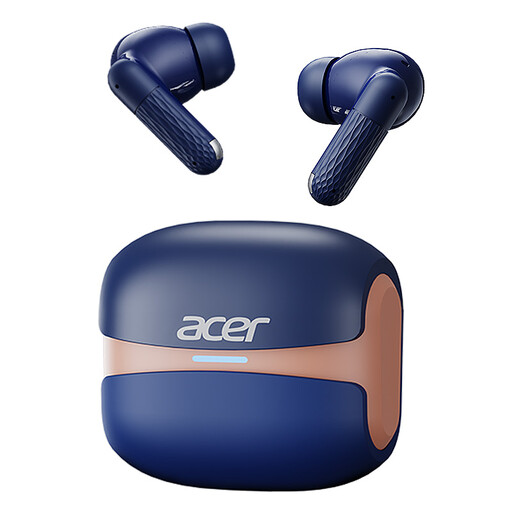 No image available
An option for listening to practice material wirelessly; check that the listed features suit the way you plan to use them.
The product name lists Bluetooth 5.4, noise cancellation for calls and a charging case with a Type-C connection.
 No image available
A wireless option if you want to listen to practice material and are looking for active noise cancellation; check that the fit suits your ears.
The product name lists True Wireless and active noise cancellation.
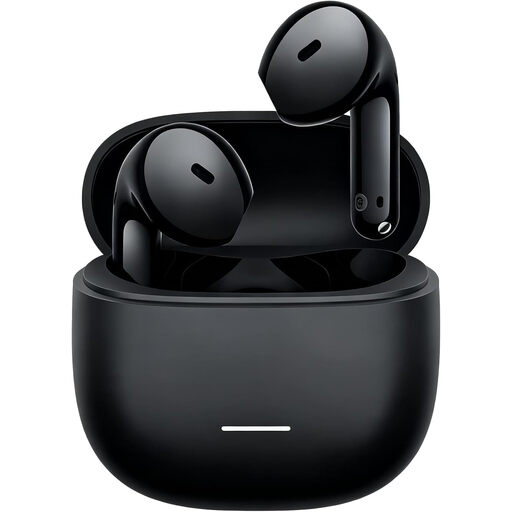 No image available
An option for listening to practice material through in-ear headphones; check the product details and fit to make sure they suit your needs.
The product name lists the Buds 8 Active version in black.
 No image available
A wired option for listening to practice material; check that your device supports the connection.
The product name lists a wired connection and noise cancellation. The connection is USB-C.
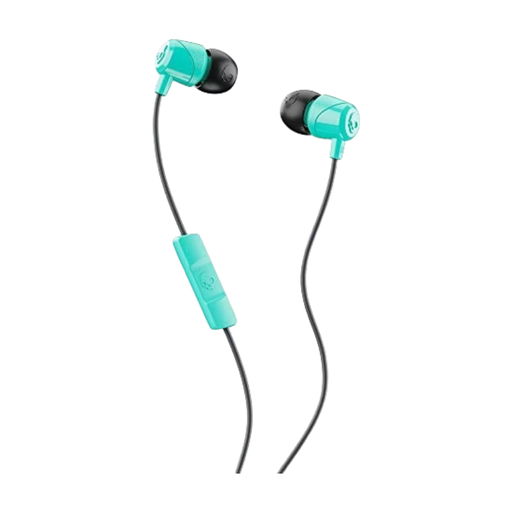 No image available
A wired option for listening to a practice recording; check that the connection is compatible with your playback device.
The product name lists a microphone and a 3.5mm connection.
Not as amplified vocal monitoring without an additional signal path. You’ll need a microphone and a suitable way to send its signal, along with your practice material, to your earphones. Check that the connections and setup work together.
First, try to get a good seal and keep the volume low. The World Health Organization points out that both sound level and listening time matter. It gives 80 dB for up to 40 hours a week as an example; this isn’t a measurement of the sound level in your ears.
Not necessarily: according to Sony, noise cancellation works better with constant, low-level noise than with speech that comes and goes. If voices are your main concern, try adjusting the fit and listen in your own space before relying on noise cancellation.
No, there are exceptions. ACM ConsuWijzer explains that the statutory cooling-off period is generally 14 days after delivery, and lists custom-made products and hygiene products removed from their packaging among the possible exceptions. Before trying them on, check what applies to the product and its packaging.
According to ACM ConsuWijzer, the seller must put things right if a product doesn’t meet what you could reasonably expect during normal use. A manufacturer’s warranty doesn’t replace this legal right. For a model with a detachable cable, you can also check whether a compatible replacement part is available.