
Singer sharing a home
You want to listen to the backing track through your in-ears rather than room speakers. Your own singing will still be audible in the room; Bax Music and Focusrite describe using headphones to listen to audio privately.


For a regular practice spot, wired in-ear headphones with well-fitting ear tips and a connector that matches your playback device are a practical way to listen to backing tracks privately. If you also want to hear your amplified voice alongside the track, you’ll need a microphone and an interface or mixer with direct monitoring. Focusrite describes this feature on the interfaces mentioned as letting you listen back with virtually no delay. In-ears keep the backing track from playing through room speakers, but they won’t make your own singing inaudible in the room; Shure notes that isolation depends in part on the ear tips and how they fit.
You want to listen to the backing track through your in-ears rather than room speakers. Your own singing will still be audible in the room; Bax Music and Focusrite describe using headphones to listen to audio privately.
You’re practising a harmony with a backing track and want to hear your microphone voice as you sing, without distracting delay. Focusrite describes direct monitoring on the interfaces mentioned as letting you listen back with virtually no delay.
You’re looking for ear tips that seal in your ears and stay comfortable. Shure notes that isolation depends on factors including your ear canal, the ear tip and the fit.
Start with the connector and how you want to hear your own voice. Then consider the fit and which parts you might want to replace.
| What to consider | What should you look for? | Who is this important for? |
|---|---|---|
| Backing track without room speakers | Check that the wired plug fits your playback device or interface, and that the ear tips give you options for finding a good seal. | When I practise in a shared bedroom, I want to hear the backing track privately without room speakers; around 36% of consumers give private listening the highest priority. |
| Your own voice alongside the track | Check whether your interface or mixer has a microphone input and direct monitoring. Focusrite describes this feature on the interfaces mentioned as letting you listen back with virtually no delay. | I want to be able to follow my harmony alongside the track while singing; around 29% of consumers put hearing their own voice back first. |
| Fit and comfort | Check which sizes and types of ear tips are included, and follow the model’s instructions when fitting and changing them. | When I practise for longer, I want ear tips that feel comfortable and fit securely; around 21% of consumers say fit and comfort are their main priority. |
| Replaceable parts and listening volume | Check which cable type is compatible with the exact model and whether you can use a volume limiter. Thuisarts advises keeping the volume at a sensible level. | I want to be able to replace parts and listen to the backing track responsibly; around 14% of consumers give replaceability and safe listening the highest priority. |
A stated isolation rating doesn’t predict how much ambient noise you’ll hear or how much of your singing your housemate will hear. Shure notes that isolation depends in part on your ear canal, the ear tip and the fit.
Choose based on fit and try them at a moderate listening volume. Make separate arrangements if you need the room to be quiet.
In-ears don’t provide a microphone input or monitor mix on their own. You’ll need a suitable signal path to hear your microphone voice alongside the track.
Before buying, check how the signal will run from the microphone through the interface or mixer to your in-ears, and whether direct monitoring is available. Avoid monitoring the same microphone signal through multiple routes at the same time.
Depending on your setup, you may need a microphone, a suitable interface or a connecting cable as well as the earphones.
The Audio-Technica ATH-E40 uses A2DC connectors on the earpieces, while Mackie specifies MMCX for the MP-120. These connectors aren’t necessarily interchangeable.
Check the connectors at both ends and the exact model before ordering a replacement cable.
Any replacement cable must match the connector on your specific model.
The SE215 is a wired option worth considering if you want a detachable cable and can assess the fit for yourself.
The IE 100 PRO is a wired monitor option to compare if you’re looking for a slim in-ear design and replaceable ear tips.
The MP-120 is a wired option worth considering if you want to compare different types of ear tips and a detachable cable.
The ATH-E40 is a wired monitor option to consider if you’re looking for several sizes of silicone tips and a longer cable in the box.
The ER2SE is worth looking into if you want to assess the manufacturer’s description of its tuning as flat, along with its close-fitting design.
These products are wired in-ear earphones for listening to a backing track privately. If you’re using them for singing, check that your device also offers the microphone and monitoring features you need.
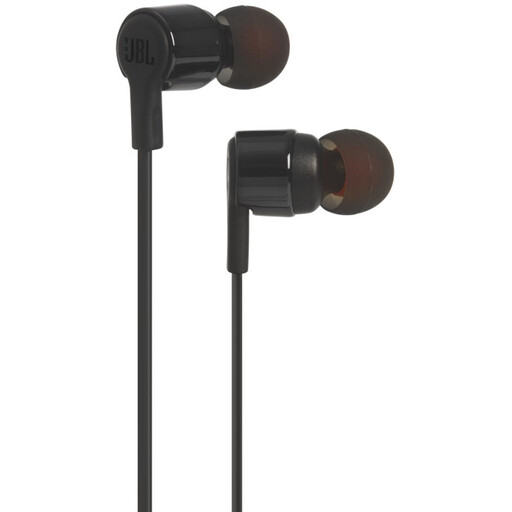 No image available
For listening to a backing track privately, if your playback device has a compatible 3.5 mm connection.
The title specifies a 3.5 mm connection; the product description mentions a built-in microphone and ear tips in several sizes. Check that the microphone and monitoring features suit your singing setup.
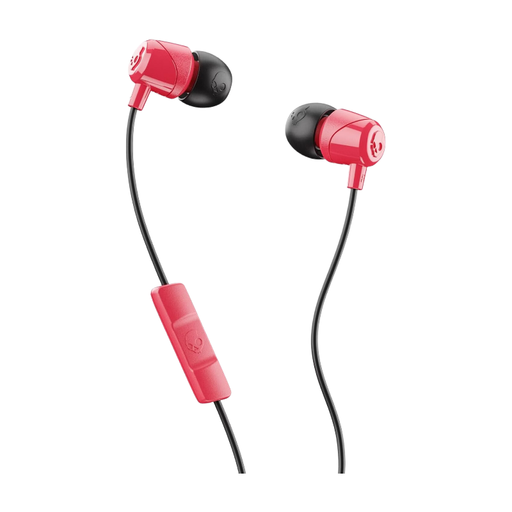 No image available
A wired option for listening to a backing track privately, provided your device has a compatible 3.5 mm connection.
The product description mentions an inline microphone and several silicone ear tips. Check whether the microphone is suitable for the monitoring setup you want.
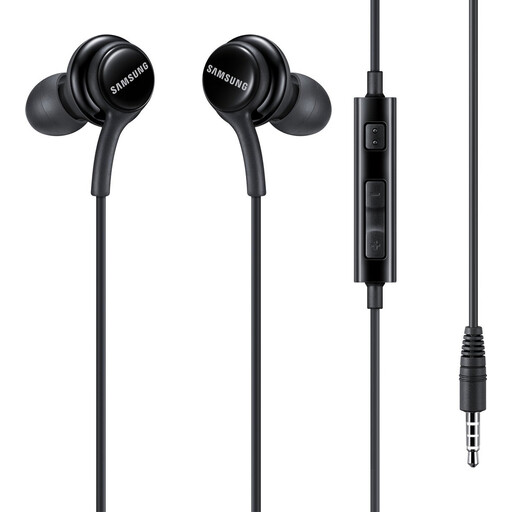 No image available
For listening to a backing track privately when your playback device has a compatible 3.5 mm connection.
The product description specifies a wired connection via a 3.5 mm mini-jack.
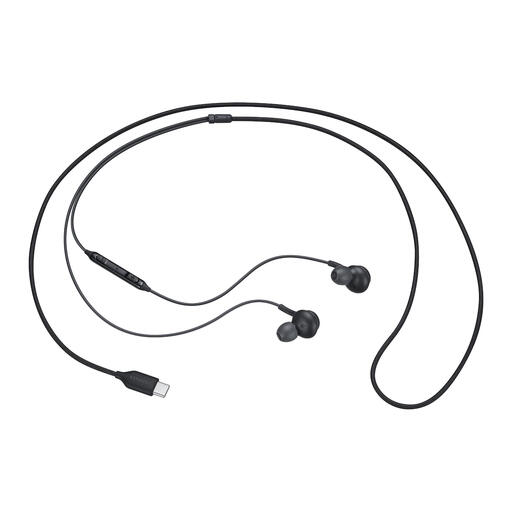 No image available
For listening to a backing track privately if your playback device has a compatible USB-C connection.
The product description mentions a built-in DAC and ear tips in different sizes. Check your device’s connection.
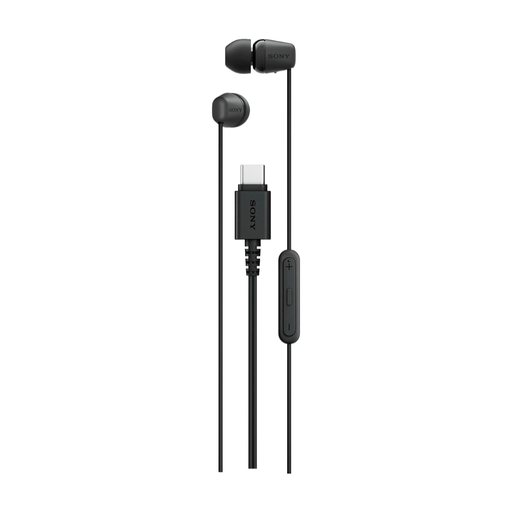 No image available
A wired option for listening to a backing track privately if your device has a compatible USB-C connection.
The product description mentions a built-in microphone and stereo playback. Check that the connection and microphone feature suit your singing setup.
That depends on your whole setup, not just the in-ears. Focusrite describes direct monitoring on the interfaces mentioned as a way to hear the microphone signal through the headphone output with virtually no delay; check whether your interface has this feature.
No. Isolation relates to the sound reaching your ears from outside; an in-ear isn’t soundproofing for the room. Use earphones for the backing track instead of room speakers, and agree separately on when and how loudly you’ll sing.
Choose ear tips that fit and follow the instructions for the exact model when fitting and cleaning them. Thuisarts advises keeping the volume at a sensible level and using the earphones’ volume limiter; an isolation rating isn’t a reason to listen more loudly.
Online consumer purchases usually come with a cooling-off period of up to 14 days after delivery; ACM ConsuWijzer lists exceptions, so check what applies to your specific purchase. Your legal guarantee is separate: if the product doesn’t meet the reasonable expectations you’re entitled to have during normal use, contact the seller to find a suitable solution.