
Listener with a sleeping roommate
You want to listen to radio comedy privately and keep the volume low. Check in your own room whether anyone else can still hear the sound.


If you listen while lying in bed, choose in-ear headphones that feel comfortable, can be set to a low enough volume and work with the connection on your radio or other audio source. Wired IEMs with interchangeable tips may suit you if you also want to reduce outside noise, but if you often fall asleep, how they feel when you lie on your side, cable management and a sleep timer may matter more. Passive isolation describes how much noise is reduced for the wearer; it doesn’t guarantee that a roommate won’t hear anything.
You want to listen to radio comedy privately and keep the volume low. Check in your own room whether anyone else can still hear the sound.
You’re looking for a fit that doesn’t cause painful pressure when your ear is against the pillow. Cleveland Clinic warns that wearing earbuds while lying on your side can cause pressure and irritation.
You want to listen without charging your earbuds, so you’ll need to match the audio output on your radio, phone or tablet to the in-ear headphones’ plug.
The main consideration is how you’ll use your headphones: listening while awake, lying on your side or possibly falling asleep. Also decide whether you need a wired connection and how you’ll manage the volume and listening time.
Choose this option if: you want to reduce ambient noise for yourself, can find tips that fit well, and your audio source has a suitable 3.5mm output or works with a compatible adapter.
Bear in mind: the fit partly determines the level of isolation; a cable can get in the way in bed, and a strong seal may make important sounds harder to hear.
Choose this option if: you mainly want to listen without charging and extensive isolation or a replaceable cable isn’t a priority.
Bear in mind: a lightweight design or a compatible plug doesn’t guarantee that the earbuds will feel comfortable when you lie on your side or make spoken comedy easy to follow.
Choose this option if: a cable in bed is your main concern and your audio source supports Bluetooth.
Bear in mind: you’ll need to charge them, and an earbud or its controls may still press against your ear. Also check that you can still hear any important signals.
| Concern | What to look for when buying | Who is this important for? |
|---|---|---|
| Listening privately | Check that the different tips fit well, then listen at the lowest volume you can comfortably hear. Separately check in your own room whether anyone else can hear the sound. | If I listen while someone else is asleep in the bedroom, I don’t want to have to rely on a speaker. Around 25% of consumers prioritise private listening without disturbing their roommate. |
| Pressure when lying down | Compare the housing, available tip sizes and cable routing; stop if you feel pain or irritation. | When I listen on my side, what matters most is whether the earbud presses against the pillow. Around 25% of consumers prioritise a comfortable fit when lying down. |
| Clarity of speech | Compare spoken clips using your own audio source and volume. Don’t treat sound descriptions such as ‘neutral’ or ‘bass emphasis’ as an independent assessment of how well radio comedy will sound. | If I want to follow jokes and quiet words clearly, I pay attention to how voices sound. Around 20% of consumers prioritise being able to understand spoken comedy. |
| Connection | Check the audio output on your radio or phone and the plug on the exact version you’re considering; check whether an adapter is compatible if necessary. | If I want to listen without stopping to recharge, the in-ear headphones need to work with my own audio source. Around 15% of consumers prioritise that connection and being able to listen without charging. |
| Volume and listening time | Choose a low but clear volume and consider using a sleep timer; check that you can still hear important alarms. The World Health Organization stresses that both volume and listening time matter. | If I might fall asleep while listening, I want to be able to control the volume and playback time. Around 15% of consumers prioritise having control over volume and listening time. |
A stated isolation rating refers to the ambient noise reaching the wearer; that’s different from the sound someone else in the room can hear.
Choose tips that fit well, listen at a low volume and check for sound leakage in your own room. Don’t treat a manufacturer’s rating as proof that your roommate won’t hear anything.
Earbuds that feel comfortable when you’re sitting may press against the pillow and cause pain or irritation when you lie on your side.
Check the shape and tip sizes, and find out what the returns policy is for the product before breaking any seal.
A 3.5mm plug won’t connect directly to every phone or radio.
First check the audio output on your device, then compare it with the connection on the exact model version. If necessary, check whether you’ll need a suitable audio adapter.
The SE215 is a wired IEM worth considering if interchangeable tips, passive isolation and a replaceable cable are important to you.
The IE 200 is a wired IEM for anyone weighing up a sound profile Sennheiser describes as neutral against fit and cable comfort.
The MDR-EX15LP and MDR-EX15AP are basic, lightweight wired options worth comparing.
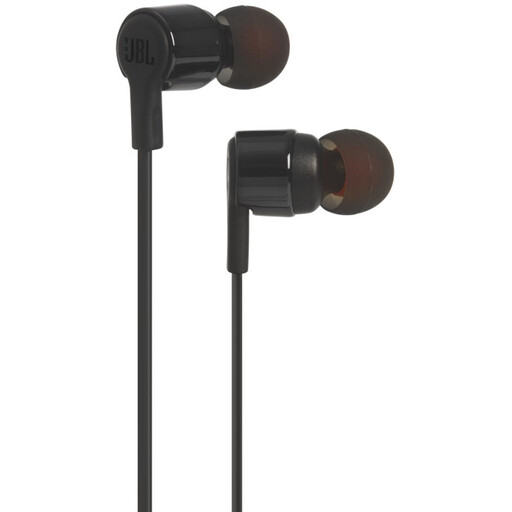
The Tune 210 is a standard wired in-ear option with a microphone and flat cable, as an alternative to a monitor-style IEM.
This selection includes wired in-ear headphones and wireless options to compare for connectivity, fit and cable-free listening.
 No image available
A wired option to compare if your audio source has a suitable 3.5mm output and you don’t want to charge your headphones.
Wired, with a 3.5mm connection and microphone; the product description lists several sizes of ear tips.
 No image available
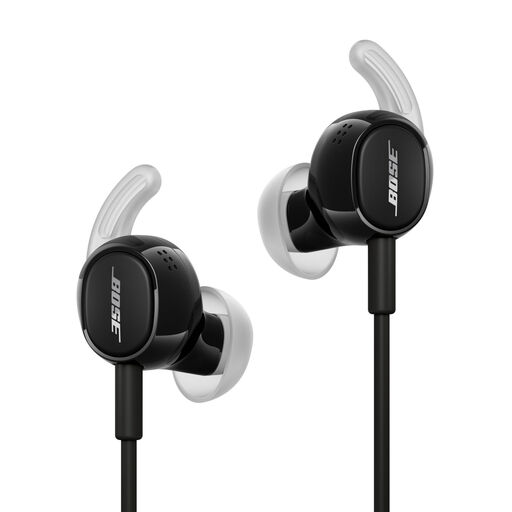
A wired option to compare if your audio source has a suitable USB-C audio connection.
The product description lists USB-C, noise cancelling, several sizes of ear tips and stability wings. These features don’t prove that the model will feel comfortable when you lie on your side.
 No image available
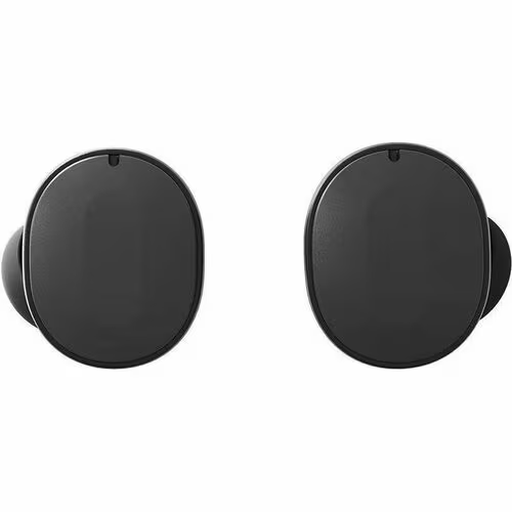
A wireless option to compare if your audio source supports Bluetooth and you want to listen without a cable.
The product description lists Bluetooth, active noise cancelling and replaceable parts.
 No image available
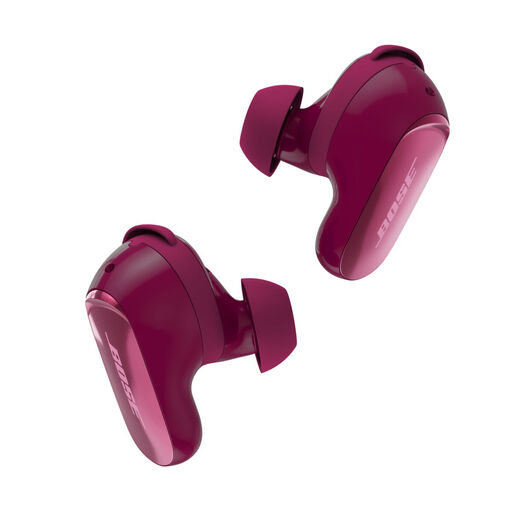
A wireless option to compare if your audio source supports Bluetooth and you want to try different fit options.
The product description lists Bluetooth, noise cancelling, CustomTune and nine sizes of ear tips and stability bands.
 No image available
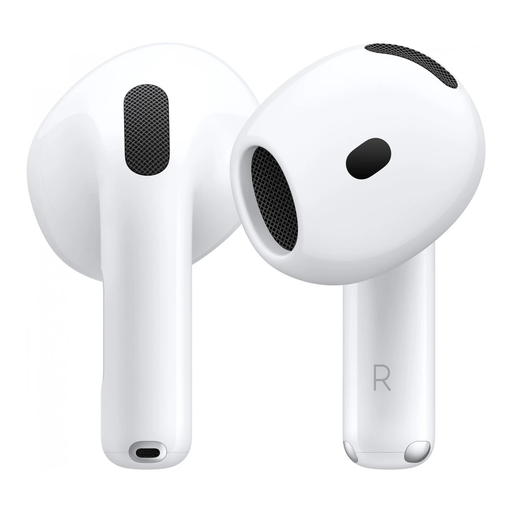
A wireless option to compare if your audio source supports Bluetooth.
The product description lists Bluetooth, active noise cancelling, Adaptive Audio, on-earbud controls and a charging case.
No. A stated isolation rating refers to ambient noise reaching the wearer, not what a roommate can hear. A strong seal may also make alarms harder to hear, so assess fit, volume and important signals separately.
Listening before bed is different from sleeping with them in. Cleveland Clinic highlights the potential for pressure and irritation when lying on your side, as well as the risk of missing important sounds. Use a sleep timer if needed and stop if you feel pain or irritation.
Only if your audio source has a suitable 3.5mm output. Otherwise, check before buying whether an adapter can pass audio to the wired in-ear headphones in question; a plug that fits doesn’t prove that it’s compatible.
Stop using the earbud that’s causing irritation and, as Thuisarts advises, keep your ear dry. If the symptoms persist, contact your GP. Earbuds can contribute to an ear canal infection.
For online consumer purchases in the Netherlands, you generally have a 14-day cooling-off period starting the day after delivery. Dutch government information lists an exception if the seal on a hygiene product has been broken; check before opening whether this exception applies to the specific product. This is separate from your statutory rights if a product is faulty.