Start with in-ear headphones that fit comfortably and seal well. Without the right ear tips, sounds around the home can still disrupt quiet orchestral passages. If you compare recordings in the same listening spot, a wired model with a sound balance to suit your preferences could work well. If a persistent low hum is the problem, wireless headphones with active noise cancellation are another option. Check the connection, fit and comfort, and always compare the same recording at a moderate volume.
Who are these in-ear headphones for?
Listeners distracted by noise at home
You want to follow quiet orchestral passages even when there’s noise at home. Start by checking the seal and make sure the ear tips fit properly. The Consumentenbond explains how in-ear headphones seal the ear canal.
Listeners comparing orchestral sound
You compare the balance of instruments across recordings and want a sound profile that suits you, rather than automatically opting for extra bass. Etymotic and Sennheiser describe the sound profiles of specific models; these descriptions aren’t independent listening comparisons.
Listeners who compare recordings for long stretches
You don’t want the fit, cable or battery charge to interrupt your listening session unnecessarily. Consider comfort and connectivity as well as sound; Shure points out that the seal also depends on the fit.
What should you look for when choosing?
Wired with a passive seal
A good fit if: you listen in the same spot, don’t want to manage a battery and can find ear tips that fit well.
Bear in mind: the fit affects the seal and can make surrounding sounds you do want to hear less noticeable. Etymotic gives the ER2SE a passive attenuation rating of 35–42 dB; this isn’t a guaranteed result for your ears.
Wired with a chosen sound balance
A good fit if: you want to pick out differences in instrumental sound and deliberately choose a reference sound profile.
Bear in mind: manufacturers’ descriptions aren’t listening tests that compare models. Etymotic describes the ER2XR as having more bass than the ER2SE. If you’re comparing these sound profiles, use the same recording at the same volume.
Wireless with active noise cancellation
A good fit if: you’re mainly distracted by a persistent low hum or don’t want a cable. The Consumentenbond says active noise cancellation often works well against deep engine hum.
Bear in mind: how well it works depends on the noise and the fit, and you’ll need to charge the headphones. Sony states that the WF-1000XM5 offers up to 8 hours of music playback per charge with noise cancellation on.
| What to consider |
What to look for when buying |
Who is this important for? |
| Seal against noise at home |
Which sounds are distracting, which ear tips are included, and do they seal well in your ears? According to Shure, the actual seal also depends on the fit. |
I want to keep hearing quiet passages without turning up the volume; around 31% of consumers in this decision-making context put a good seal first. |
| Sound balance |
Compare the same familiar passage at the same volume. Don’t treat the manufacturer’s model descriptions as an independent comparison. |
I want to follow the balance of instruments across recordings and deliberately choose a reference; around 25% of consumers put sound balance first. |
| Fit for long listening sessions |
Check the available sizes and materials of the ear tips, and make sure the headphones remain comfortable. Shure lists foam and flexible sleeves in three sizes for the SE215. |
I want to compare recordings for longer without the ear tips becoming uncomfortable; around 25% of consumers put comfort first. |
| Connection and ease of use |
Check that the plug is compatible with your playback device. For wireless models, check the stated battery life with noise cancellation on. |
I want a connection that suits my device and listening sessions; around 19% of consumers put connection and ease of use first. |
Common buying mistakes
-
Assuming a stated attenuation level is guaranteed for you
The seal depends on several factors, including your ear canal, the ear tip, the model and the fit. A manufacturer’s stated rating therefore won’t tell you exactly how much surrounding noise will be blocked in your ears.
Check that the ear tips fit well in both ears, and don’t turn up the volume to make up for a poor seal.
-
Treating ‘neutral’ and ‘more bass’ as the same thing
A different bass profile can change how the same orchestral recording sounds to you. A sound you enjoy isn’t automatically the reference you’re looking for when comparing recordings.
If possible, listen to the same familiar passage at the same volume and decide which sound profile you want to use as your reference.
-
Assuming you can always return opened in-ear headphones
An exception to the statutory cancellation period may apply to hygiene products if the seal has been broken. The exact terms and conditions matter.
Before opening the product, check the terms that apply to the product and its seal.
Brands to consider
Etymotic
The wired ER2SE and ER2XR are options to consider if you’re looking for a passive seal and want to choose the bass profile deliberately.
- Etymotic gives the ER2SE a passive attenuation rating of 35–42 dB.
- Etymotic describes the ER2XR as having more bass than the ER2SE.
- The stated attenuation rating doesn’t guarantee how well the ear tips will seal in your ears.
Shure
The wired SE215 is an option if you want to explore different included ear tips and a detachable cable.
- Shure lists a 3.5mm cable and foam and flexible sleeves in three sizes for the SE215.
- According to Shure, the seal depends on factors including the fit. Shure says its in-ear headphones aren’t intended as hearing protection.
Sennheiser
The IE 200 is a wired model that Sennheiser describes as balanced; the IE 100 PRO is a separate range of stage monitors.
- According to Sennheiser, the IE 200 has a detachable cable with a 3.5mm plug.
- The attenuation rating of less than 26 dB applies to the IE 100 PRO, not the IE 200. The sound description isn’t an independent comparison.
Sony
The wireless WF-1000XM5 is an option if you want to compare active noise cancellation with a passive seal.
- Sony states that it offers up to 8 hours of music playback per charge with noise cancellation on.
- Wireless headphones need to be charged; battery life doesn’t automatically make this model a better choice as a consistent sound reference.
Joybuy products for this use
This selection includes wired USB-C earphones and wireless in-ear headphones with active noise cancellation. Check that a wired model’s connection is compatible with your device, and bear in mind that wireless models need to be charged.
 No image available
Bose Noise Cancelling Wired Earbuds, Black
Wired listening without charging could suit you if your playback device has a USB-C connection.
The product description lists USB-C, inline controls, noise cancellation, three sizes of ear tips and two sizes of stability wings. A compatible USB-C connection is required.
View at Joybuy
 No image available
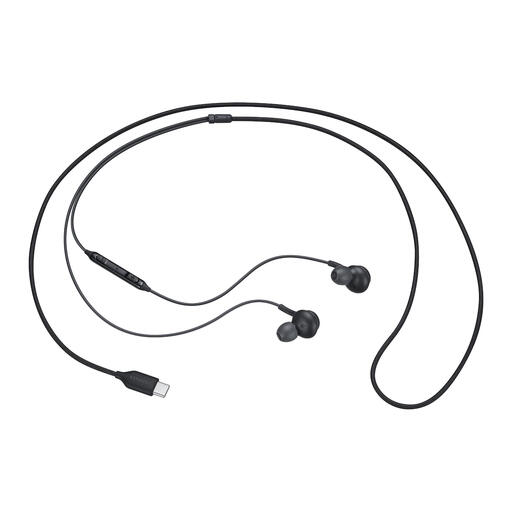
Samsung EO-IC100
These wired in-ear headphones could suit you if you compare recordings in the same listening spot and have a compatible USB Type-C connection.
The product description lists a USB Type-C connection, several sizes of ear tips and a built-in DAC. It describes the sound as balanced; this isn’t an independent comparison.
View at Joybuy
 No image available
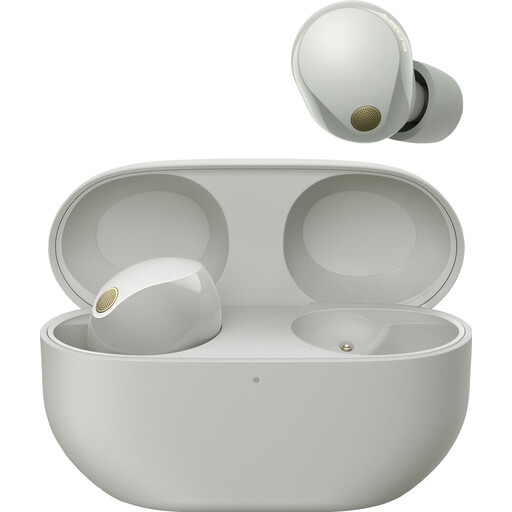
Sony WF-1000XM5
A wireless option for comparing active noise cancellation if noise at home is distracting. Also assess the sound using the same recording you use as your reference.
The product description lists Bluetooth, active noise cancellation and a charging case. Sony states that it offers up to 8 hours of music playback per charge with noise cancellation on; wireless use requires charging.
View at Joybuy
 No image available
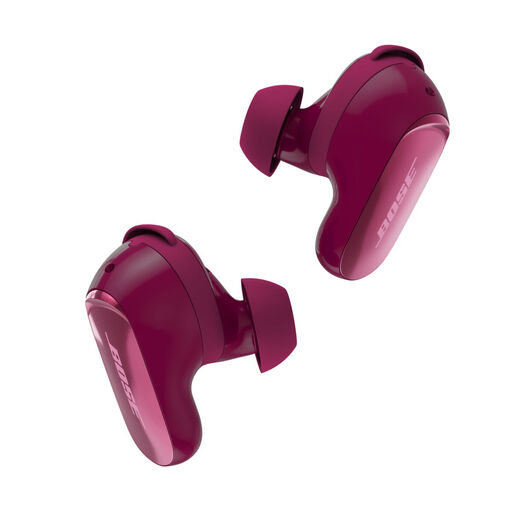
Bose QuietComfort Ultra Earbuds (2nd Gen), Deep Plum
A wireless option with active noise cancellation if you want to reduce noise at home. Bear in mind that you’ll need to charge them during longer listening sessions.
The product description lists nine sizes of ear tips, stability bands and active noise cancellation. It states that playback lasts up to 6 hours per charge.
View at Joybuy
 No image available
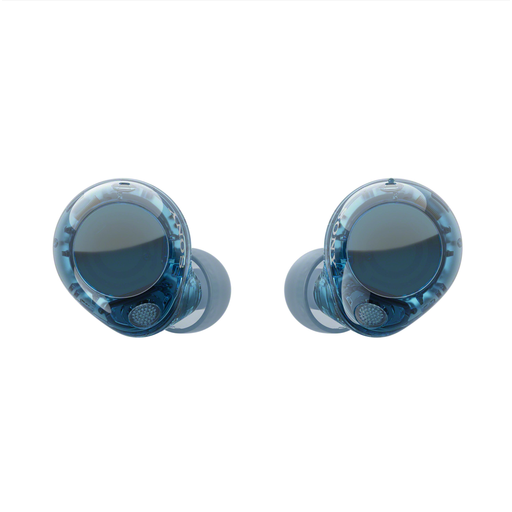
Sony WF-C710N, Glass Blue
These wireless in-ear headphones could suit you if you want to compare active noise cancellation with an ambient sound mode.
The product description lists active noise cancellation and an ambient sound mode. The stated total listening time with noise cancellation on includes the charging case; wireless use requires charging.
View at Joybuy
Frequently asked questions
Can I use in-ear headphones as hearing protection and listen at a higher volume?
No. Shure says its in-ear headphones aren’t intended as hearing protection. The World Health Organization recommends keeping the volume low, limiting listening time and taking breaks. A close-fitting seal isn’t a reason to listen at a higher volume.
How can I maintain a good seal while listening?
Try the available sizes of ear tips and check that they seal well in both ears. Follow the cleaning and storage instructions for your model; Etymotic recommends keeping its in-ear headphones clean and dry.
What if in-ear headphones I bought online don’t fit or stop working?
Online purchases generally come with a statutory 14-day cancellation period, but an exception may apply to hygiene products if the seal has been broken. Check the specific terms before opening the product. If a product is faulty, the seller must offer a solution under the statutory guarantee. The Dutch government states that the Netherlands has no fixed statutory guarantee period.


