What should you look for when choosing?
First check that the headphones seal well without feeling uncomfortable. Then compare your sound preferences and whether the connection is compatible with your device.
Restrained bass
Choose this option: if you’re looking for less prominent bass and a more understated sound balance. The Sennheiser IE 200 and Etymotic ER2SE are worth comparing.
Bear in mind: a poor fit can significantly change the sound of the IE 200; SoundGuys describes its isolation as reasonable, rather than exceptional.
Prioritise passive isolation
Choose this option: if your roommate’s noise is your main distraction. Compare the Shure SE215 with the Etymotic ER2SE, for example, and try tips that fit well.
Bear in mind: Shure quotes up to 37 dB of isolation for the SE215, while Etymotic quotes 35–42 dB of attenuation for the ER2SE. These manufacturer figures aren’t directly comparable personal results.
Tuning for classical instruments
Choose this option: if you specifically want to compare a monitor that beyerdynamic positions for classical instruments.
Bear in mind: the positioning of the DT 73 IE is a manufacturer claim, not an independent comparison with the other models. Also check that the 3.5mm plug is compatible with your device.
More emphasis on bass
Choose this option: if you want to compare extra low-end emphasis with the more restrained tuning of the Etymotic ER2SE. Etymotic describes the ER2XR as the bass-focused version.
Bear in mind: preferring extra bass doesn’t prove that orchestral music will sound better. Check the fit and connection too.
| Point to consider |
What should you check? |
Who is this important for? |
| Seal and roommate |
Check the tip sizes and materials. Try the seal at a low volume and listen for any sound leakage. |
If you want to reduce background noise without disturbing your roommate, a good fit comes first. Around 31% of consumers make isolation and consideration for their roommate their top priority. |
| Orchestral sound |
Where possible, compare the same recording at the same volume, using tips that fit well. |
If you’re mainly assessing the balance between instruments and bass, compare the sound for yourself rather than relying on a manufacturer’s description. Around 31% of consumers prioritise orchestral sound. |
| Comfort during long listening sessions |
Compare the available tip sizes and materials; don’t force a painful fit. |
If you listen for long periods, a comfortable fit matters more than a high isolation rating alone. Around 23% of consumers give the greatest weight to comfort during extended wear. |
| Connection and components |
Check your device’s output, the connection you need and which replacement cable type fits the model. |
If you want to connect wired in-ear headphones to your own device or replace components, check compatibility first. Around 15% of consumers prioritise connectivity and replaceability. |
Products at Joybuy
This selection includes in-ear headphones for personal music listening, with a range of connections and features. Check that each model’s connection and fit suit your device and listening habits.
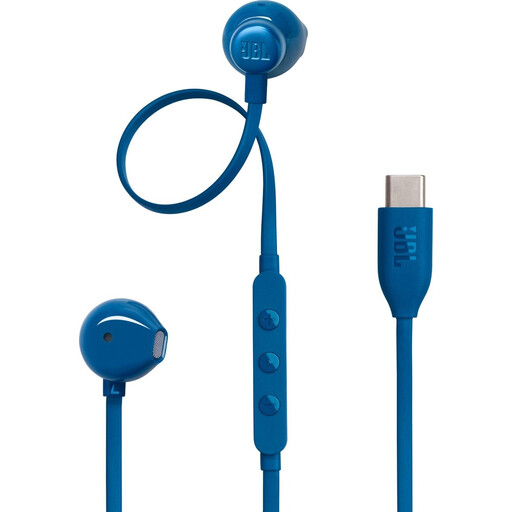 No image available
JBL Tune 305C, Blue
A wired option if your device has a compatible USB-C connection.
USB-C connection, in-line controls and EQ presets.
View at Joybuy
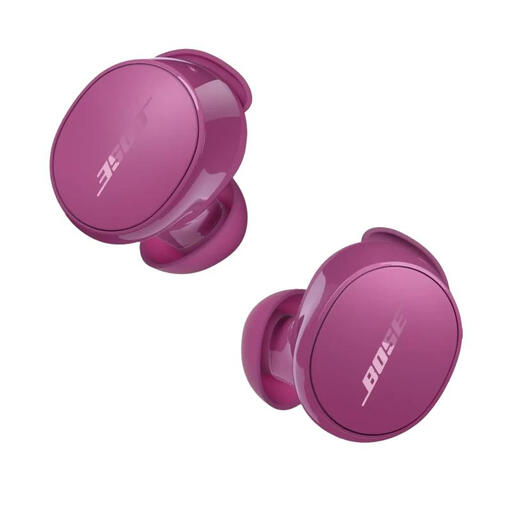 No image available
Bose QuietComfort Earbuds, Rosewood Mauve
A wireless option if you want active noise cancellation and cable-free listening.
The product description lists Quiet and Aware modes and Bluetooth multipoint.
View at Joybuy
 No image available
AOC ACT2615 ANC Wireless Earbuds
A wireless option with active noise cancellation for personal listening.
Bluetooth 6.0, touch controls and a charging case with a display.
View at Joybuy
 No image available
Acer OHR548 in-ear headphones
An option to consider if you’re looking for a USB-C connection and a choice of tip sizes.
The product description lists USB-C and several ear tip sizes; check that your device is compatible.
View at Joybuy
 No image available
Samsung Galaxy Buds4 Pro True Wireless, Black
A wireless option with active noise cancellation and an adjustable equaliser.
The product description lists a 9-band equaliser and up to 7 hours of playback without ANC.
View at Joybuy
Frequently asked questions
Should I choose active noise cancellation for a shared bedroom?
Not necessarily: well-fitting in-ear tips seal the ear canal and can reduce background noise. Active noise cancellation is designed to reduce what you hear; it doesn’t guarantee that your roommate won’t hear anything. Check the fit, listen for sound leakage and keep the volume in check.
How can I tell if the tips fit properly?
Choose a tip that fits snugly without causing pain, and check the instructions for your specific model. According to the Shure SE215 user guide, insufficient bass may indicate a poor seal; don’t push a tip beyond the opening of the ear canal.
Can I turn up the volume for quiet orchestral passages?
Even during quiet passages, keep the overall sound level and listening time in mind. The World Health Organization recommends a maximum of 40 hours per week at an average sound level of 80 dB; a good seal may help you avoid trying to drown out background noise by turning up the volume.
What should I check about returns or the warranty in the Netherlands?
Check the seller’s returns policy before opening any seal. ACM ConsuWijzer says that online purchases generally come with a 14-day cooling-off period after delivery, although exceptions may apply. If the product is faulty, contact the seller about a remedy under the statutory guarantee.


