
Focused orchestral music listener
You want to follow quiet passages without turning up the volume to drown out conversations. VeiligheidNL recommends a good seal to minimise sound leakage, so you’re less likely to feel the need to raise the volume.


Choose well-sealing in-ear headphones if you mainly want to hear music while concentrating; choose a model that lets ambient sound through if you need to hear colleagues. Then check the fit and sound with orchestral music you know well: manufacturers’ isolation figures can’t predict exactly what you’ll hear at your desk.
You want to follow quiet passages without turning up the volume to drown out conversations. VeiligheidNL recommends a good seal to minimise sound leakage, so you’re less likely to feel the need to raise the volume.
You wear your in-ear headphones for several hours at work, so the tip sizes, wearing style and cable routing all affect the fit and ease of use.
You want to listen to music but still be approachable. A design that lets ambient sound through may be worth considering; check whether it suits your work.
First, decide which conversations and signals you need to hear while listening. Then compare the seal, fit and sound at a volume you’d normally use.
| What to consider | What to look for when buying | Who is this most important for? |
|---|---|---|
| Blocking out office noise | Try tip sizes that fit and check whether you can hear quiet passages without turning up the volume. | If I want to concentrate on music, I’m looking for a seal that keeps conversations out. Around 36% of consumers rank isolation as their top priority. |
| Sound balance | Compare orchestral recordings you know well at the same volume and with a good seal. | If I want to follow the instruments and quiet passages, I compare the sound with recordings I know well. Around 29% of consumers prioritise orchestral sound. |
| Comfort for extended wear | Check the available tip sizes and materials, the shape of the housing and how the cable sits. | If I wear my in-ear headphones during a long work session, I want the tips to stay comfortable. Around 21% of consumers make fit their top buying priority. |
| Staying available and device connectivity | Decide which signals you need to hear and check that the headphones have a connection that works with your device. | If colleagues need to be able to speak to me while I’m listening, I want to keep hearing ambient sound and know how the in-ear headphones connect to my device. Around 14% of consumers prioritise staying available and connectivity. |
A manufacturer’s rating isn’t the same as the seal you’ll get in your ear. If a tip doesn’t fit properly, sound can get in and you may be tempted to turn up the volume.
Try different tip sizes and listen at a moderate volume. If hearing protection is required in your workplace, don’t use music in-ear headphones as a substitute without first having them assessed.
A feature that reduces the sound of conversations may also make signals from your surroundings harder to hear.
Decide in advance which signals you need to notice. If you need to keep hearing them while listening, compare a model that lets ambient sound through too.
Connections, tip options and cable designs vary between models. According to the independent review by Headphones.com, the Sennheiser IE 200 has inconsistent bass sealing with the supplied tips; the review also highlights the cable as a point to consider.
Check the connection on your work device and the parts available for the specific model you’ve chosen.
Some wired models may require a suitable adaptor or replacement tips or cable. Check what you need for your device and the specific model.
The ER2SE and ER2XR are wired models worth comparing if passive isolation and bass tuning matter to you.
The SE215-CL-EFS, listed in the Netherlands, comes with different tip sizes and a detachable cable.
The wired IE 200 is a compact in-ear model with two ear-tip positions, letting you compare fit and sound balance.
The Pro X10 is designed for isolated listening; the AM Pro X10 is an alternative for anyone who wants to keep hearing ambient sound.
This Joybuy selection includes in-ear headphones for listening to music at work, with noise cancelling and, on some models, an ambient sound mode. Check which controls and connections work with your work device.
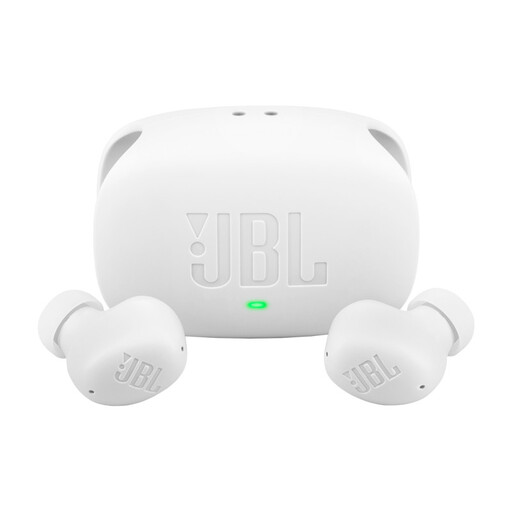 No image available
A good choice if you want to reduce distractions while still being able to hear ambient sound; the product information lists ANC and Smart Ambient.
The JBL Headphones app offers EQ options and customisation. Multipoint connects two Bluetooth devices.
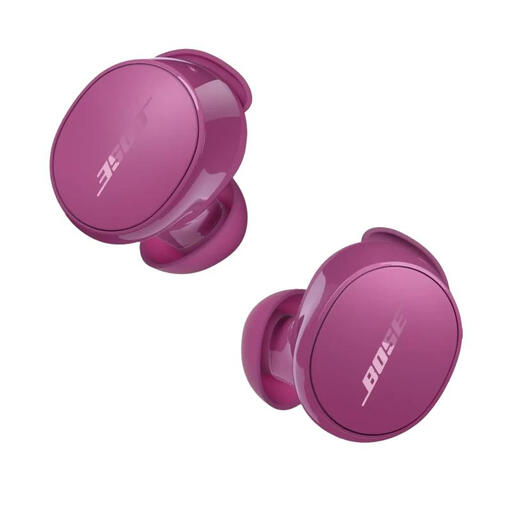 No image available
A good choice if you want to combine noise cancelling with the option to hear ambient sound; the product information lists an Aware mode.
The product information lists Bluetooth multipoint, a wireless charging case and up to 8.5 hours of playback per charge.
 No image available
A good choice if you want to use noise cancelling and adjust the sound for orchestral recordings.
The specifications list Bluetooth 6.1, a customisable 9-band equaliser and a 2-way speaker system. The stated playback time per charge is up to 6 hours with ANC on and 7 hours with ANC off.
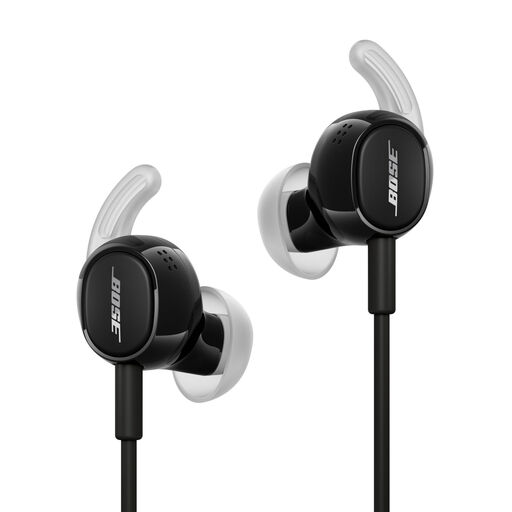 No image available
A good choice if you’re looking for a wired connection and different fit options; the product information lists noise cancelling.
The earbuds have a USB-C connection, in-line controls and microphone, three ear-tip sizes and two sizes of stability wings. The wired design means they don’t need charging; check that your device has a suitable connection.
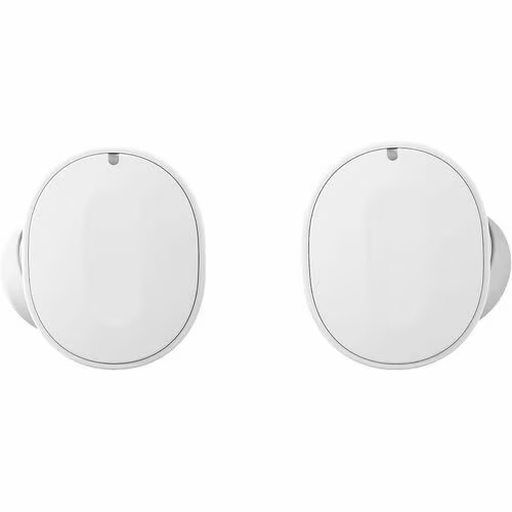 No image available
A good choice if you want to combine noise cancelling with EQ settings tailored to your listening preferences.
The product information lists hybrid ANC, Bluetooth multipoint for two devices and replaceable parts. The stated playback time is up to 8 hours with ANC off.
Listen to the same familiar recording at the same volume, first checking that the tips fit well. The Consumentenbond includes classical music in its assessment of sound quality, but its published test method doesn’t identify a winner among these specific models or for an office environment.
Start with a supplied tip that fits well and feels comfortable. Shure provides instructions on how to insert and clean the SE215 earbuds; follow the instructions for your chosen model and check whether the tips and cable can be replaced.
No. A good seal may make you less likely to turn up the volume, but safe listening also depends on volume and listening time. The World Health Organization gives 80 dB for up to 40 hours a week as an example of safe listening exposure; an isolation rating doesn’t tell you how loudly you’re listening.
According to the Dutch Arboportaal, employers must provide hearing protectors when daily exposure exceeds 80 dB(A); above 85 dB(A), employees must wear them. These rules don’t mean ordinary music earbuds are suitable hearing protection. Assessing your workplace is necessary to determine whether these thresholds are reached.
When buying online from a business, you’ll often have a 14-day cooling-off period, subject to exceptions, according to the Dutch government. Before buying, check the seller’s terms for your chosen product; the government information doesn’t determine whether a specific opened pair of in-ear headphones can be returned. If there’s a fault, how it’s dealt with depends on your consumer rights and the seller.