For listening to orchestral music in a quiet library, choose in-ear headphones whose sound tuning and fit you like when listening to a familiar recording; extra bass is mainly a matter of personal preference. Etymotic describes the ER2SE as having a flat response and the ER2XR as offering extra bass, but these sound descriptions and attenuation figures won’t predict how the eartips fit your ears or how much sound leaks out. Also check that the connection is compatible with your player.
Who are these in-ear headphones for?
Attentive orchestral listener
You compare instrument sections or performances and want to assess the sound without constantly switching eartips or settings. The Consumers’ Association points out that the position of in-ear headphones affects how they sound.
Listener at a quiet reading table
You want to hear quiet passages without turning up the volume or disturbing other visitors with audible music. A good seal and your library’s rules are relevant here; VeiligheidNL explains that a good fit can reduce sound leakage and the temptation to turn up the volume.
Listener during long sessions
You listen to a whole concert and want the eartips to stay comfortable and work with your player. The Consumers’ Association notes that in-ear headphones need to fit particularly well.
What should you look for when choosing?
Wired in-ear headphones with restrained bass
When to choose: If you mainly want to assess the balance between instrument sections and can use a wired connection, compare the Etymotic ER2SE and Sennheiser IE 200.
Trade-off: Etymotic describes the ER2SE as having a flat response; with the IE 200, a poor fit can significantly change the sound, according to SoundGuys.
Wired in-ear headphones with an emphasis on isolation
When to choose: If conversations distract you, compare the fit of, for example, the Shure SE215 with different eartips.
Trade-off: Shure quotes attenuation of up to 37 dB, but that doesn’t guarantee the same seal in your ears; SoundGuys rates the isolation highly, but finds that the highest frequencies are less well represented.
Wired in-ear headphones with connection options
When to choose: If a replaceable cable or different plug options matter to you, compare the exact version of the MOONDROP Aria 2 with your player.
Trade-off: MOONDROP lists a 0,78-2-pin connector and 3,5 mm and 4,4 mm plugs in the box; check for yourself that they’re compatible with your playback device.
| What to consider |
What should you look for? |
Who is this important for? |
| Sound balance |
Compare the same recording with the eartips in the same position and at a controlled volume. Treat manufacturers’ sound descriptions as claims about the model, not as independent measurements. |
If you want to compare instrument sections or performances, you’ll want to keep the sound setting consistent. Around 36% of consumers prioritise sound balance. |
| Quiet listening |
Try eartips that fit and, at a low volume, check whether someone next to you can hear the music. Also check the rules of the library you visit. |
If you’re listening at a quiet reading table, you won’t want to disturb others or turn the volume up unnecessarily. Around 29% of consumers prioritise a quiet listening environment. |
| Comfort during a concert |
Check which sizes and materials are included, and assess the fit during your usual listening time. |
If you’re listening to a whole concert, you’ll want eartips that stay comfortable. Around 21% of consumers prioritise comfort during extended wear. |
| Connection and cable |
Check your player’s output, the plug and the cable connector for the exact version. |
If you want to connect in-ear headphones to your own player or replace the cable, you’ll need to know which connection is compatible. Around 14% of consumers prioritise connectivity and maintenance. |
Common pitfalls
-
Treating attenuation in dB as a guarantee of silence
Manufacturers quote attenuation figures for specific models, but the seal depends on the fit. Isolation and sound leaking out are also two different things.
Try the eartips that fit your ears and, at a controlled volume, check whether someone next to you can hear the music.
-
Choosing based only on the sound description
Incorrectly positioned eartips can change the sound, while discomfort over a long period can make a listening session unpleasant.
Compare a familiar orchestral passage with the same fit and try the eartips supplied.
-
Assuming every cable or plug will fit
The models mentioned have different cable connectors and plugs; your player needs to support the connection you choose.
Check your player’s output, the packaging for the exact version and both ends of any replacement cable.
-
Assuming you can try in-ear headphones at home without restriction and return them
ACM ConsuWijzer notes an exception to the cooling-off period for hygiene products that have been removed from their packaging. How this exception applies to the in-ear headphones you choose may matter.
Before opening the packaging, read the seller’s returns information and, if necessary, ask how it applies to this product.
Brands to compare
Etymotic
According to Etymotic, the ER2SE and ER2XR give you a choice between a tuning described as flat and extra bass. This may help if you want to compare those sound options deliberately.
- For the ER2SE, Etymotic quotes 35–42 dB of passive attenuation and a replaceable cable; these are the manufacturer’s specifications for this model.
- The quoted attenuation doesn’t predict how well the eartips seal in your ears or how much sound leaks out.
Sennheiser
According to Sennheiser, the wired IE 200 comes with several eartips and lets you adjust the bass response by changing their position.
- SoundGuys describes the IE 200 as comfortable.
- According to SoundGuys, a poor fit can significantly change the frequency response. The 3,5 mm plug requires a suitable output or a suitable solution for your player.
Shure
The wired SE215 is worth comparing if you care about the choice of eartips and passive isolation.
- Shure quotes attenuation of up to 37 dB for the SE215 and includes foam and silicone eartips.
- SoundGuys rates the isolation highly, but finds that the highest frequencies are less well represented. The maximum attenuation figure doesn’t guarantee a good fit for you.
MOONDROP
The wired Aria 2 is worth considering if you want to compare the stated cable connector and the plug options included.
- MOONDROP lists a 0,78-2-pin connector and 3,5 mm and 4,4 mm plugs in the box.
- These connection details alone say nothing about comfort, sound leakage or compatibility with your player.
Joybuy products
This selection includes wired in-ear headphones with USB-C or 3,5 mm connections and wireless Bluetooth earbuds. Check which connection your player supports.
 No image available
Bose Noise Cancelling Wired Earbuds, black
A wired option if your playback device supports USB-C audio.
The product information lists QuietControl noise cancellation, an inline microphone and controls, and several sizes of eartips and stability fins.
View at Joybuy
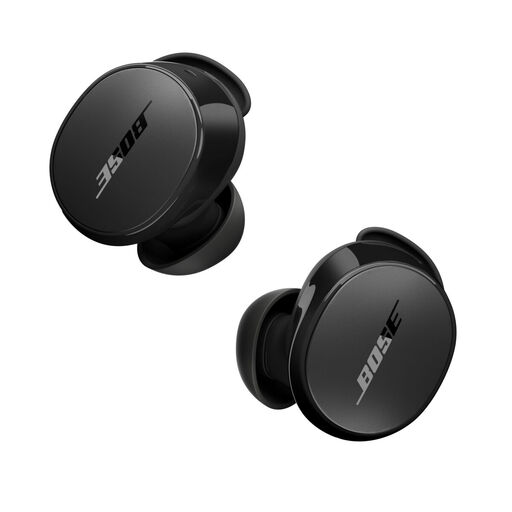 No image available
Bose QuietComfort Earbuds, black
A wireless option if your playback device supports Bluetooth.
The product information lists active noise cancellation, an Aware mode, app control and three sizes of eartips with stability bands.
View at Joybuy
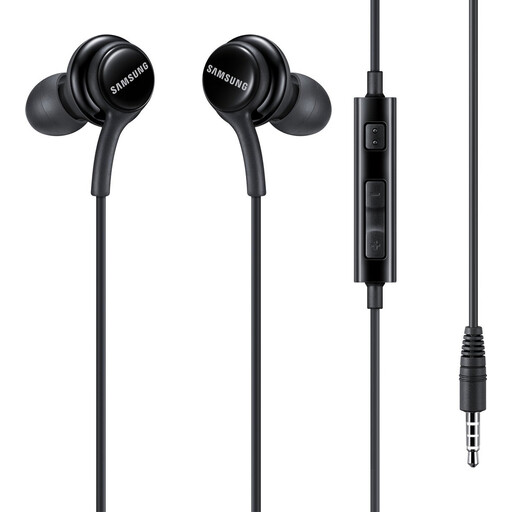 No image available
Samsung EO-IA500 wired in-ear stereo headset, black
A wired option if your playback device has a 3,5 mm audio connection.
The product information lists AKG tuning and several sizes of eartips.
View at Joybuy
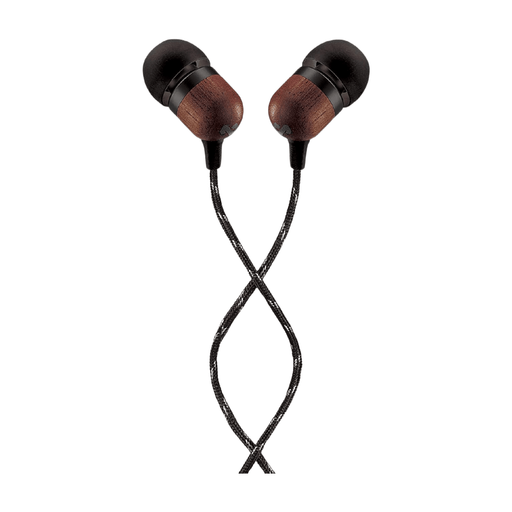 No image available
House of Marley Smile Jamaica USB-C earbuds, black
A wired option if your playback device supports USB-C audio.
The product title lists a 9,2 mm driver; the description mentions an inline microphone.
View at Joybuy
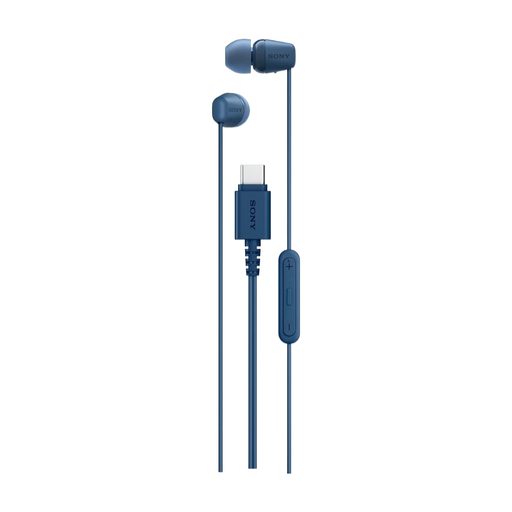 No image available
Sony IER-EX15C wired in-ear headset, USB-C, blue
A wired option if your playback device supports USB-C audio.
The product information lists a 5 mm driver, a microphone and a remote control.
View at Joybuy
Frequently asked questions
How can you check the fit without turning up the music?
Try the supplied sizes in each ear and start at a low volume. The Consumers’ Association emphasises that the position of in-ear headphones affects how they sound; VeiligheidNL points out that a good seal may reduce the temptation to turn up the volume.
How can you listen for a long time responsibly?
Keep both the volume and listening time in check, and take breaks. The World Health Organization gives an average of 80 dB for a maximum of 40 hours per week as an example of safe listening; this doesn’t translate directly into a setting on your in-ear headphones’ volume control.
What if the cable breaks?
Check the exact model and connector before buying a replacement cable. Etymotic lists a replaceable cable for the ER2SE; Shure and Sennheiser list an MMCX connection for the SE215 and IE 200 respectively; and MOONDROP lists a 0,78-2-pin connector for the Aria 2. These details don’t prove that the cables are interchangeable.
What are your rights when buying online in the Netherlands?
According to ACM ConsuWijzer, online purchases generally come with a 14-day cooling-off period after delivery, subject to exceptions such as hygiene products removed from their packaging. Before opening the packaging, ask how the seller applies this to the in-ear headphones you’ve chosen. The Dutch government states that the Netherlands has no fixed statutory warranty period; your statutory rights if a product is faulty are separate from the cooling-off period.


