What should you look for when choosing?
In a quiet shared space, a comfortable seal, modest volume and checking that other people can't hear your music are sensible places to start. You can then weigh up sound preference, comfort and connectivity.
A sound described as more neutral
When to choose it: if you want to compare an option with a more neutral tuning for opera, consider the Etymotic ER2SE, for example.
Trade-off: the manufacturer quotes 35–42 dB of passive noise isolation, but the actual seal and comfort depend on how the ear tips fit you.
Other sound and fit options
When to choose them: compare the Sennheiser IE 200 and Shure SE215 if you want to explore different ear tips and wired designs.
Trade-off: Sennheiser describes the IE 200 as balanced, while Shure describes the SE215 as bass-rich. These aren't independent listening comparisons.
More bass or replaceable parts
When to choose them: compare the ER2XR with the ER2SE if you want a different bass tuning; consider the MOONDROP CHU II if replaceable acoustic filters matter to you.
Trade-off: a different tuning doesn't tell you which voices or instruments sound more natural. With the CHU II, check that the fit and seal work for you, too.
| What to consider |
What should you look for? |
Who should pay particular attention? |
| Seal and sound leakage |
Try suitable ear tips, listen at a low volume and separately check whether other people can hear your music. A quoted isolation rating doesn't measure sound leakage. |
When I listen in a quiet space, I want ear tips that seal comfortably and music that other people can't hear. Around 36% of consumers prioritise a good seal and consideration for others when buying. |
| Sound balance |
Compare the same familiar opera recording at the same modest volume; treat manufacturers' sound descriptions as a starting point, not a personal verdict. |
If you compare voices and orchestra carefully, you'll want to know which sound balance suits the recordings you know well. Around 29% of consumers put sound preference first. |
| Comfort |
Check which sizes and materials of ear tips are included, then assess both comfort and the seal in your own ears. |
For a long listening session, I want ear tips that stay comfortable and create a good seal. Around 21% of consumers say comfort is their deciding priority. |
| Connection and replacements |
Check that the plug works with your playback device and that replacement cables, filters or ear tips are compatible with the exact model. |
If I want to listen straight away and be able to replace parts, I'll check the connection and compatibility first. Around 14% of consumers prioritise connectivity and replaceability. |
Earphones at Joybuy
This selection includes wired USB-C earphones and wireless in-ear models for music. Check which connection and wearing style suit your playback device and listening situation.
 No image available
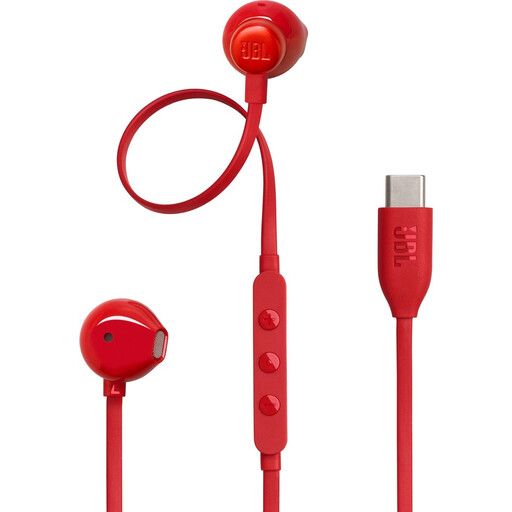
JBL Tune 305C USB-C, red
A wired option if your playback device supports USB-C audio.
The product description lists three EQ presets: vocal, standard and bass.
View at Joybuy
 No image available
AOC ACT2615
A wireless option if you don't want a wired connection.
The product title mentions active noise cancellation and Bluetooth 6.0.
View at Joybuy
 No image available
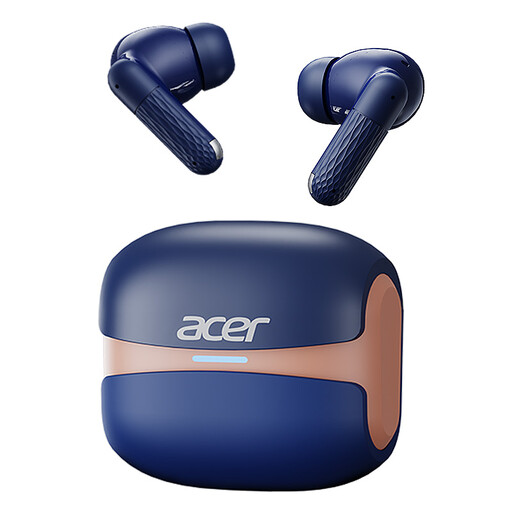
Acer OHR548
A wireless in-ear option if you'd rather avoid a wired connection.
The product title mentions Bluetooth 5.4 and noise cancellation.
View at Joybuy
 No image available
Samsung Galaxy Buds4 Pro True Wireless, black
A true wireless option if you don't want a cable between the earphones and your playback device.
The product title mentions active noise cancellation.
View at Joybuy
 No image available
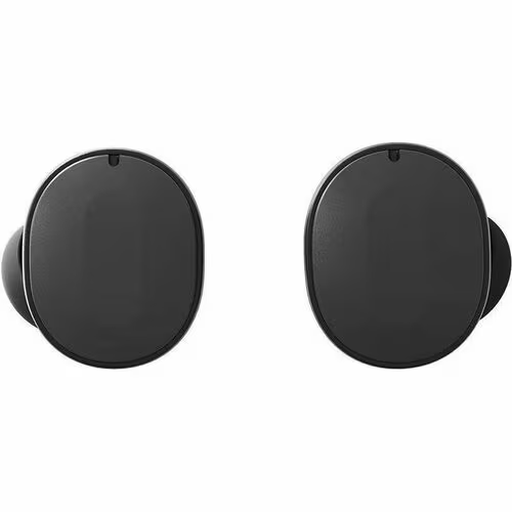
Fairphone Fairbuds, black
A true wireless option if you'd like to adjust the sound using the Fairbuds app.
The product description mentions adjustable EQ through the app and replaceable parts.
View at Joybuy
Frequently asked questions
Do you need active noise cancellation in a quiet library?
Not necessarily. Start with ear tips that create a comfortable seal and keep the volume low. Check separately whether other people can hear your music; noise cancellation doesn't make this check unnecessary.
How do you fit ear tips properly and care for a wired IEM?
Try the sizes supplied and check that the ear tip creates a comfortable seal. Poor positioning can change the sound; when replacing parts, check that the cable or ear tip is compatible with the exact model.
What should you check about connectivity and the Dutch guarantee?
Before buying, check that your device has a suitable connection and whether you'll need an adapter. According to the Dutch government, the seller must provide a solution if a product is faulty; in the Netherlands, there is no fixed statutory two-year guarantee period.
Can you listen to music with in-ear headphones in every library?
Library rules may vary by branch. The Amsterdam Public Library asks visitors not to disturb others with loud music; check your branch's rules and make sure other people can't hear your music.
Can you always return in-ear headphones after trying them on?
Don't assume so without checking. Online purchases generally come with a statutory 14-day cooling-off period from delivery, but ACM ConsuWijzer notes an exception for certain hygiene products that have been removed from their packaging. Check whether this exception applies to the product.
Does strong isolation automatically make long listening sessions safe?
No. According to the World Health Organization, the risks depend on sound level, listening time and how often you're exposed to loud noise. The organisation gives an average of 80 dB for up to 40 hours a week as an example; keep the volume low and take breaks.


