Start with in-ear headphones that fit snugly, then try a familiar talk at a moderate volume: a stated noise reduction figure won’t tell you how much of what’s happening at home you’ll still hear. A wired model is a good choice for long listening sessions without recharging, provided the connection is compatible; wireless in-ear headphones may suit you better if freedom of movement and quick access to ambient sound matter. A snug fit can also make you less aware of people at home.
Who are these options for?
Listeners who are distracted by noise at home
You want to follow spoken explanations without constantly turning up the volume. Start with a snug fit, and don’t judge noise reduction by a product figure alone. The Consumers’ Association describes sealing the ear canal as one way to keep out background noise.
Listeners who enjoy long museum talks
You listen for extended periods, so comfortable ear tips and a connection that doesn’t need recharging while you listen are important. The Consumers’ Association highlights comfort and fit as relevant factors when choosing.
Listeners who want to stay available to others at home
You regularly need to respond to someone or something at home. In that case, easy pausing or switching to ambient sound may matter more than maximum isolation; the Consumers’ Association describes a snug fit as useful when you want to block out background noise.
What should you consider when choosing?
Wired, with an emphasis on passive isolation
Best if: conversations or appliances interrupt your listening and you find a snug fit comfortable.
Bear in mind: a snug fit may make it harder to hear questions or signals from people at home.
Wired, with an emphasis on comfort
Best if: you listen in one place for longer periods, want to compare ear tips and don’t want to recharge between sessions.
Bear in mind: the cable may get in the way, and the plug needs to be compatible with your playback device.
Wireless with ANC
Best if: you move around while listening or often want to switch to an ambient sound mode.
Bear in mind: wireless earbuds need recharging, and ANC won’t make voices at home disappear.
| What to consider |
What to look for when buying |
Who should prioritise this? |
| Following spoken content |
Try different tip sizes and listen to a familiar speech recording at a moderate volume. Treat noise reduction figures as manufacturers’ claims, not as a prediction of how well they’ll work in your home. |
If voices or appliances mask the talk, you’ll want to follow the explanation without continually turning up the volume. Around 36% of consumers put speech clarity above other buying priorities. |
| Comfortable fit for long listening sessions |
Compare the available sizes and materials, then assess how each ear feels after wearing the tips for a while. |
For a long talk, you’ll want a snug fit that remains comfortable; fit and comfort can vary between ears. Around 29% of consumers make comfort their top priority. |
| Connection and listening time |
Check that the plug is compatible with your device. For wireless models, compare the stated listening time with the mode you plan to use. |
If you want to listen for a long time without interruption, a compatible wired connection matters; with wireless models, battery life is important. Around 21% of consumers choose mainly based on connectivity and uninterrupted playback. |
| Staying aware of noise at home |
Decide which sounds you need to hear, and check that pausing or switching to an ambient sound mode is easy. |
If you need to respond to people or alerts at home, maximum isolation may be inconvenient. Around 14% of consumers put staying available at home above other buying priorities. |
Common buying mistakes
-
Assuming a noise reduction figure guarantees voices will disappear
Manufacturers quote different isolation figures for individual models. Your personal fit and the types of sounds in your home also affect what you hear.
Compare the fit and listen to a speech recording at a moderate volume. Don’t assume a manufacturer’s figures guarantee a particular result at home.
-
Expecting ANC to block out every conversation
The Consumers’ Association describes ANC as particularly useful for deep, constant sounds; changing voices are a different listening environment.
Also consider the physical seal, and choose wireless ANC earbuds mainly if the controls or freedom of movement are important to you.
-
Overlooking the connection on the earbuds or cable
The plug needs to be compatible with your playback device, and wired models may use different connections on the earbuds.
Before buying, check the exact version, both cable connections and the audio output on your device.
You may need a compatible adapter or a replacement cable made for your specific model.
Brands to consider
Shure
The wired SE215 is worth considering if you want to compare different ear tips and a replaceable cable for passive isolation.
- Shure states that the SE215 offers up to 37 dB of isolation and has a detachable cable with a 3.5 mm plug.
- The manufacturer’s figure doesn’t guarantee the same reduction in voices at home; check that the cable is compatible with your player.
Sennheiser
The wired IE 200 is an option if you want to compare a compact in-ear design, ear hooks and a replaceable 3.5 mm cable.
- Sennheiser lists adjustable ear hooks and a cable with MMCX connectors.
- The manufacturer’s descriptions of sound and comfort don’t establish how comfortable the model will feel to you or how clear speech will sound.
Etymotic
The wired ER2SE is worth considering if you want to explore passive isolation and find the fit comfortable.
- Etymotic states that the ER2SE offers 35–42 dB of noise reduction, with a replaceable cable and a flat frequency response.
- This is a manufacturer’s figure. Try the tip shape and fit for yourself; don’t treat this range as a comparative measurement of speech clarity.
FiiO
The JD1 offers a wired in-ear option, but you’ll need to check which connection version you’re choosing.
- FiiO lists a detachable 0.78 mm 2-pin cable for the JD1.
- FiiO also describes a JD1 TC version. Check the exact version and cable; the model information doesn’t prove measured isolation or how clearly museum talks can be heard.
Sony
The WF-1000XM5 is a wireless alternative for anyone looking for ANC, freedom of movement and an ambient sound mode.
- Sony’s Netherlands specifications list an ambient sound mode and up to 8 hours of playback with noise cancelling switched on.
- The stated maximum isn’t a measure of how long they’ll last in your situation; you’ll still need to recharge them.
Joybuy products
These product options include wired in-ear headphones for listening without recharging, and wireless in-ear headphones with ANC or an ambient sound feature.
 No image available
Samsung Galaxy Buds4 Pro
A wireless option if you want to use ANC and don’t want a cable running to your playback device.
True Wireless with Bluetooth and ANC. The product description states up to 6 hours of playback with ANC on, plus a charging case.
The description mentions touch controls; wireless use requires recharging.
View at Joybuy
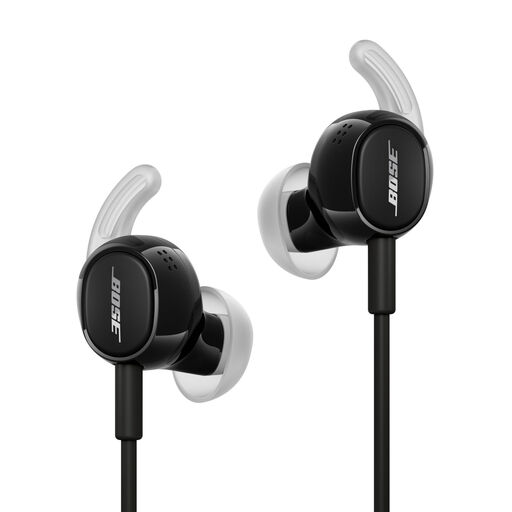 No image available
Bose Noise Cancelling Wired Earbuds
A wired option if you don’t want to recharge and your playback device has a compatible USB-C connection.
The product description mentions QuietControl noise cancelling, three sizes of ear tips and two sizes of stability wings.
The USB-C connection needs to be compatible with your device’s audio output.
View at Joybuy
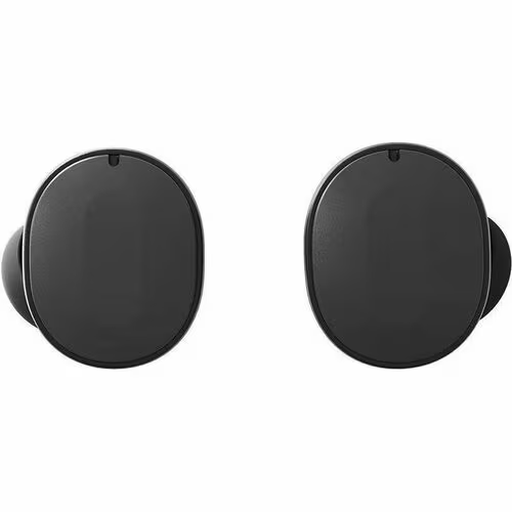 No image available
Fairphone Fairbuds
A wireless option if you want ANC and plan to use a charging case during longer listening sessions.
The product description mentions hybrid ANC, up to 8 hours of playback per charge with ANC off, and up to 40 hours in total with the case.
The stated playback time of up to 8 hours applies with ANC off; wireless use requires recharging.
View at Joybuy
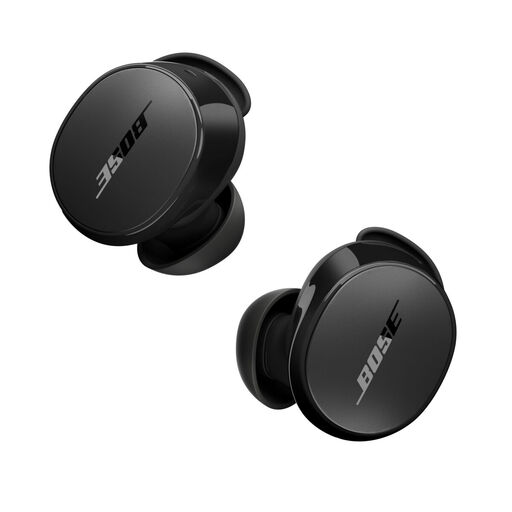 No image available
Bose QuietComfort Earbuds
A wireless option if you want ANC and the option to let in ambient sound.
The product description mentions an Aware mode, several sizes of ear tips and up to 8.5 hours of playback per charge.
Wireless use requires recharging.
View at Joybuy
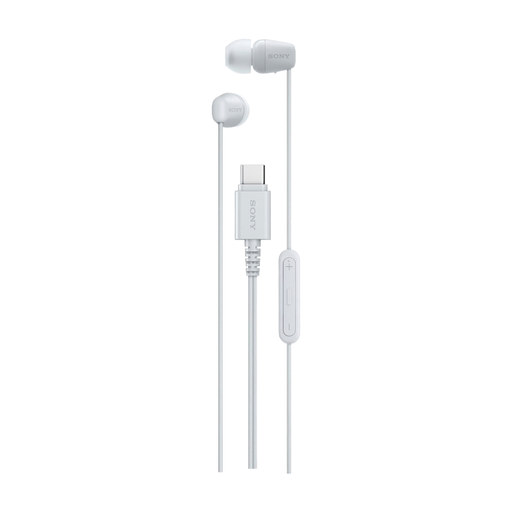 No image available
Sony IER-EX15C
A wired option if you want to listen without recharging and your device has a compatible USB-C audio connection.
The product description mentions passive isolation, a microphone and a remote control.
The USB-C connection needs to be compatible with your device’s audio output; the description also mentions a lightweight design and a ribbed cable.
View at Joybuy
Frequently asked questions
How can you adjust in-ear headphones to hear a talk clearly without constantly turning up the volume?
Start with a comfortable-fitting tip and play a familiar speech recording. The World Health Organization recommends well-fitting or noise-cancelling headphones to help you avoid turning up the volume in noisy environments; its listening advice highlights the importance of both sound level and listening time. A stated isolation figure doesn’t tell you which volume setting is right for you.
How do you maintain a wired in-ear monitor?
Follow the instructions for the exact model. For an SE215 version, Shure recommends checking the tip and sound outlet for blockages first if the sound changes, and replacing the tip if necessary. Don’t assume the same cleaning instructions apply to every brand.
What if your phone doesn’t have a socket for the wired cable?
Check your playback device’s output and the plug on the version you’ve chosen. The Shure SE215 and Sennheiser IE 200 are described as having a 3.5 mm cable; if your device doesn’t have a compatible output, you’ll need a suitable solution. Also check the connection on the earbuds before choosing a replacement cable.
What warranty rights do you have in the Netherlands if a product is faulty?
According to the Dutch Government, you’re entitled to a product that works properly and can contact the seller if there’s a fault. The Netherlands doesn’t have a fixed statutory warranty period of exactly two years: what you can expect from a product depends partly on the product itself and how it’s used. Normal wear and tear or damage caused by your own actions isn’t automatically covered by free repairs.
Can you always return in-ear headphones bought online after breaking the seal?
No — ‘always’ is too broad. For a consumer purchase made at a distance, there is generally a 14-day cooling-off period. EU rules provide an exception for sealed goods that aren’t suitable for return after the seal has been broken for health protection or hygiene reasons. Whether this exception applies to a particular pair of in-ear headphones doesn’t depend solely on them being earbuds; check the product and returns terms before trying them on.


