
Mixing in a quiet bedroom
You want to hear changes in your mix without using speakers while someone else in the bedroom is resting or working. A good seal and listening at a controlled volume are important considerations.


Choose wired in-ear headphones that create a good seal and stay comfortable, then compare their sound with music you know well. A reference-oriented tuning can help you assess tonal balance, but the seal and insertion depth affect what you hear. In particular, check the bass and stereo image on another playback system before finalising a mix.
You want to hear changes in your mix without using speakers while someone else in the bedroom is resting or working. A good seal and listening at a controlled volume are important considerations.
You want to assess EQ and level changes against a familiar listening reference. iZotope and Etymotic describe headphones or in-ear headphones as a way to listen without disturbing others with speakers; you should also check critical mix decisions on another system.
You switch between listening and editing, so comfortable eartips and a fit you can check for yourself are useful. Your choice of eartips and how an in-ear headphone sits in your ear can also affect the sound you hear.
Choose these if: you mainly want to compare tonal balance and listen quietly. Etymotic describes the ER2SE as having a flat tuning.
Bear in mind: the seal and insertion depth affect the sound; check the bass and stereo image elsewhere too.
Choose these if: fit, a detachable cable or listening alongside other checks matter more than an explicitly reference-oriented tuning.
Bear in mind: manufacturers’ descriptions of sound, such as Shure’s description of the SE215’s deep bass, do not prove that a model sounds neutral.
Choose this if: you can use speakers at a suitable time or listen back to your mix on another system.
Bear in mind: speakers may disturb someone in the same room, and the room affects the sound; using in-ear headphones alone gives you a different stereo image.
| Consideration | What should you check? | Who is this important for? |
|---|---|---|
| Seal and quiet listening | Check whether several eartip sizes are included and whether your chosen size seals well in both ears without causing pain. A manufacturer’s noise-reduction rating cannot predict how well they will fit you. | I want to listen in a shared bedroom without disturbing others with speakers. Around 33% of consumers give a good seal and quiet listening top priority when buying. |
| Tonal balance | Check the sound description for the exact model and compare it with familiar music. Check the bass and stereo width on another system too. | When I assess EQ and level differences, I want to know how my familiar reference tracks sound through the in-ear headphones. Around 27% of consumers put tonal balance first. |
| Fit during longer sessions | Compare the sizes and types of eartips included. Assess comfort without turning up the volume to compensate for a poor seal. | I want eartips that stay comfortable during a longer listening session and don’t distract me from my work. Around 20% of consumers say a comfortable long-term fit is their main reason for buying. |
| Connection and replaceable parts | Check your device’s connection and the plug on the exact version. Also check whether compatible cables, eartips or filters are available. | If I want to connect my in-ear headphones to a particular device or replace worn parts, I need to make sure the version is compatible. Around 20% of consumers make connectivity and ease of maintenance their top priority. |
A frequency range figure doesn’t tell you how the in-ear headphones will sound to you. Tuning, eartip choice and the seal all affect the sound you hear.
Compare the exact model with familiar recordings and check important mix decisions on another system.
Passive isolation doesn’t prevent prolonged listening at high volume from being harmful.
Keep the volume at a sensible level and use your earphones’ volume limiter where available.
ACM ConsuWijzer explains that online purchases generally come with a statutory 14-day cooling-off period after delivery, but notes exceptions for hygiene products that have been removed from their packaging. Whether an exception applies depends on the specific purchase.
Read the seller’s returns information before opening the packaging and check the terms that apply to the product you’ve chosen.
The ER2SE is worth considering if you want to compare an in-ear headphone that the manufacturer describes as reference-oriented, with passive isolation.
The SE215 may be worth considering if you value a choice of included eartip sizes and a detachable cable.
The IE 100 PRO is designed for monitoring, while the IE 200 is a separate model that Sennheiser targets at music lovers.
The HEXA is worth exploring if you want to try a hybrid in-ear headphone with different eartip options as a listening reference.
The CHU II is a wired option to compare if the connection and replaceable parts matter to you.
This selection includes wired in-ear headphones for quiet listening. Check that each model’s connection is compatible with your device, and compare the sound on another playback system before finalising your mix decisions.
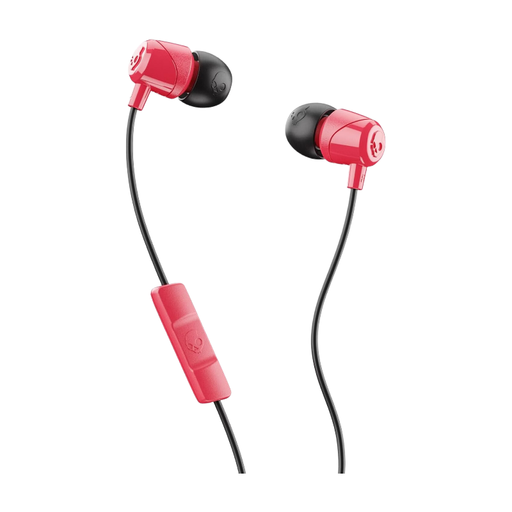 No image available
A wired option to compare if you want to try different eartip sizes to find a good seal.
The product description lists a 3.5mm connection, a noise-isolating fit and seven pairs of silicone eartips. Check that the connection is compatible with your listening device.
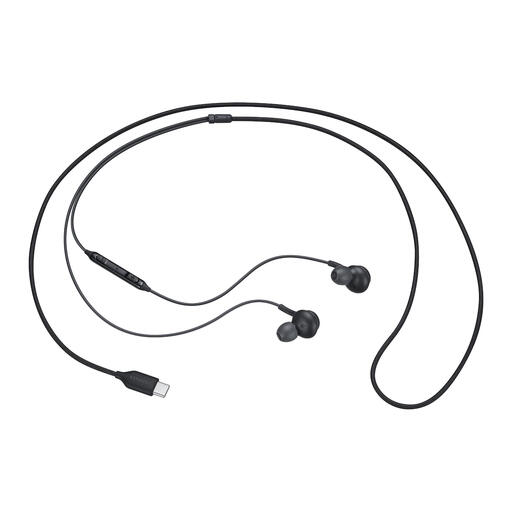 No image available
A wired option if your device has a compatible USB Type-C connection and you want to compare different eartip sizes.
The product description lists a built-in DAC, two-way speakers and different eartip sizes. It describes the sound as tuned by AKG and balanced; compare this for yourself with music you know well.
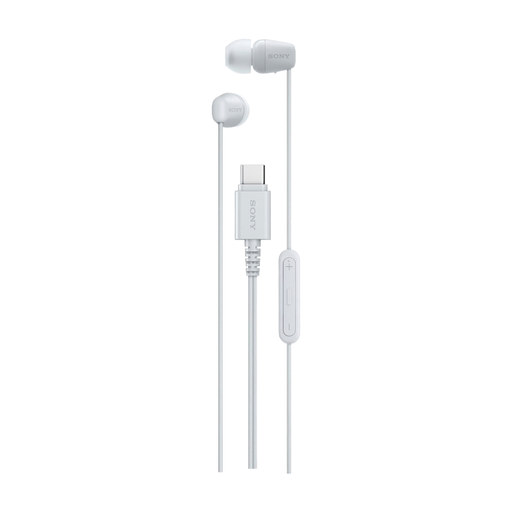 No image available
A wired option for quiet listening if your device has a compatible USB Type-C connection.
The product description lists passive isolation, an ergonomic design and a 5 mm driver. It describes the sound as balanced and powerful; this isn’t an independent assessment of its mix reproduction.
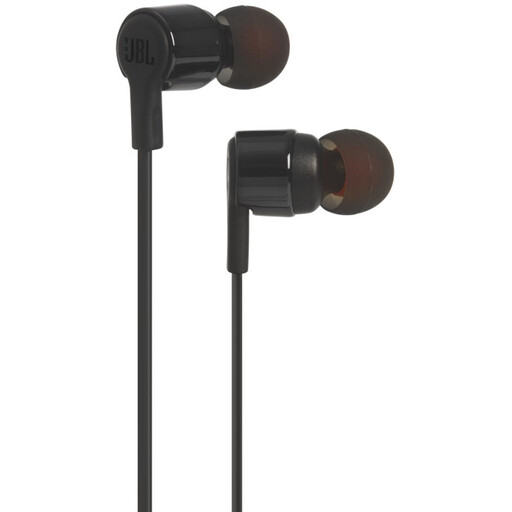 No image available
A wired option if your device has a 3.5mm connection and you want to compare eartip sizes.
The product description lists a microphone and several eartip sizes. The Pure Bass description points to a particular sound profile; don’t treat it as proof of neutral tonal balance.
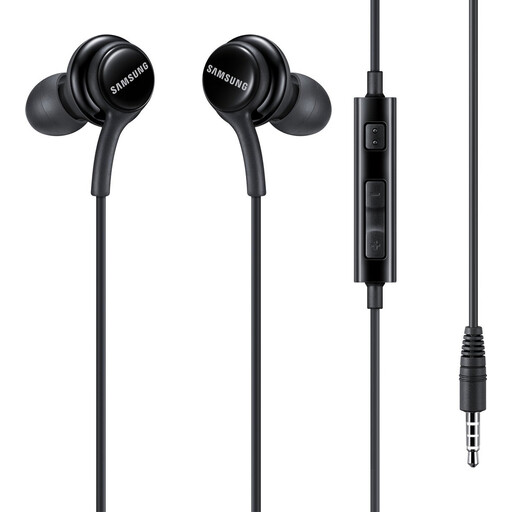 No image available
A wired option to compare if your device has a 3.5mm connection.
The product description mentions an ergonomic design and deep bass. This description of the sound isn’t proof of neutral mix reproduction.
Use in-ear headphones to listen quietly for detail, but check the bass, centre image and stereo width on another playback system before making final decisions. Listening through in-ear headphones differs from listening through speakers.
First check that both sides form a good seal, then compare again using the same eartips and familiar music. TRUTHEAR describes sound differences between silicone and foam eartips for the HEXA; insertion depth can also affect the sound you hear.
Keep the volume down. Thuisarts advises keeping the sound at a sensible level and using your earphones’ volume limiter where available. Passive isolation is no reason to listen at a high volume for long periods.
No, not always. ACM ConsuWijzer explains that online purchases generally come with a statutory 14-day cooling-off period after delivery, but notes exceptions for hygiene products that have been removed from their packaging. Whether that exception applies to a specific purchase of in-ear headphones depends on the product; check the seller’s information before opening the packaging.
Report the problem to the seller. According to the Dutch government, if a product is faulty, the seller can’t simply refer you to the manufacturer. Before buying, also check which compatible replacement parts are available.