
Listeners who don’t want to disturb anyone
You listen in a quiet space and want to limit sound leakage with a well-fitting tip, without turning up the volume. VeiligheidNL highlights the importance of a good seal.


Start by choosing in-ear headphones that fit snugly: according to VeiligheidNL, a good seal means less sound leakage, but it doesn’t tell you how much of your radio comedy other people can hear. Then compare how voices sound and how comfortable the fit remains over time, and check that the connection is compatible with your player. A stated attenuation rating doesn’t guarantee how the earphones will fit your ears or how much sound will leak out.
You listen in a quiet space and want to limit sound leakage with a well-fitting tip, without turning up the volume. VeiligheidNL highlights the importance of a good seal.
You’re mainly looking for natural-sounding voices and don’t want to mistake claims about sound quality for a listening test of radio comedy. The Consumentenbond includes speech clips in its headphone tests.
You want to be able to try different tip sizes or materials, and check that the wired connection is compatible with your player. The connections and fit options listed vary by model.
Start with the fit and sound leakage at low volume. Then compare how voices sound and how comfortable the headphones are to wear, and finally check your player’s connection.
| What to consider | What should you check? | Who is this important for? |
|---|---|---|
| Seal and sound leakage | Compare tip sizes and materials. At low volume, ask someone to check whether they can hear sound from beside you. | If I don’t want to disturb anyone in the quiet reading room, I’m looking for a good seal without turning up the volume; around 40% of consumers make limiting sound leakage their top priority. |
| Clear voices | Listen to a familiar speech clip on the same device and at a comparable volume. Treat descriptions of the sound as claims, not as a test of radio comedy. | If I mainly listen to jokes and dialogue, I want to know how voices sound to me; around 30% of consumers prioritise voice reproduction. |
| Comfort | Try the available sizes and materials. During a longer listening session, watch out for pressure or discomfort. | For a long listening session, I want a fit that stays comfortable; around 20% of consumers make comfort their top priority. |
| Connection and parts | Check your player’s output and the plug on the version you’ve chosen. Also check the connection on any replacement cable. | If my player has a different connection or I want to be able to replace parts, I check this before buying; around 10% of consumers prioritise connection or maintenance. |
How much sound is blocked for the listener and how much people nearby can hear are two different things. A figure on the packaging doesn’t tell you directly how much of your radio comedy other people can hear.
Check that the tips fit snugly and, at low volume, see whether someone beside you can hear anything.
A description of the sound doesn’t prove how dialogue or jokes will sound to you. The Consumentenbond assesses speech clips separately in its testing method.
Compare a familiar speech clip on your own player and choose based on what you find easy to follow.
A wired in-ear headphone will only work directly if its plug fits your player. For online purchases, exceptions to the cooling-off period may apply to hygiene products that have been removed from their packaging, according to ACM ConsuWijzer.
Before buying, check the connection, the exact model variant and the terms for that specific purchase. Only open the packaging once you’ve checked them.
The Dutch version of the SE215 is a wired IEM supplied with foam and silicone tips and a detachable MMCX cable.
According to MOONDROP, the standard CHU II comes with S, M and L tips, replaceable acoustic filters and a detachable cable.
The IE 200 is a wired option with different ear tips, adjustable ear hooks and a detachable cable.
The wired ER2XR is an option if you want to try a fit that creates a strong passive seal.
This selection from Joybuy includes both wired and wireless in-ear headphones. Check the connection and fit for each model, and see whether sound leaks out at low volume.
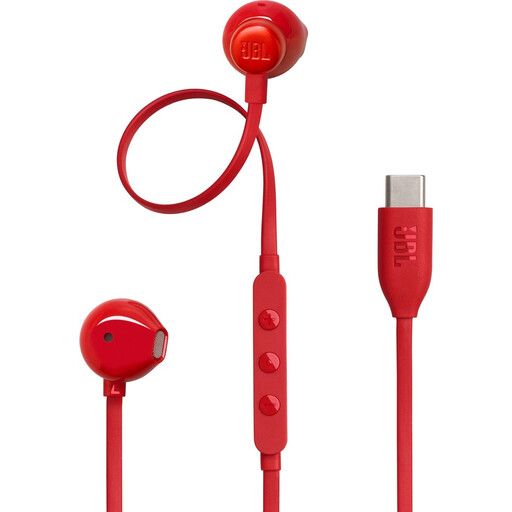 No image available
A wired option if your player has a compatible USB-C connection.
JBL lists a microphone, in-line controls and a vocal EQ mode. This mode doesn’t guarantee that dialogue will be easier for you to understand.
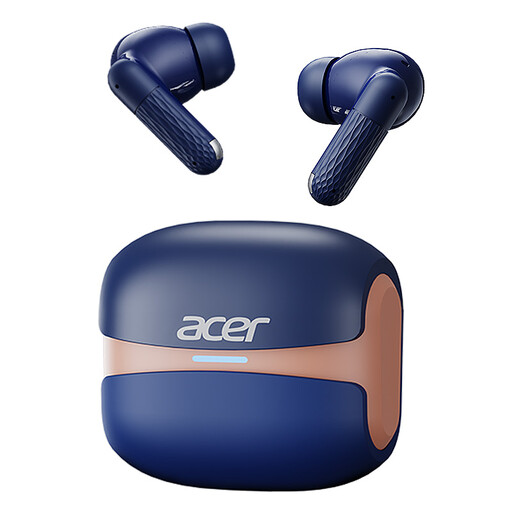 No image available
A wireless option if you want to listen to radio comedy without a cable.
The product information lists Bluetooth 5.4, a USB-C charging case and hands-free controls. Check that the fit and how much sound can be heard are suitable for your quiet surroundings.
 No image available
A wired option if you want to try different tip and stability sizes.
Bose lists a USB-C connection, noise cancelling, a microphone, three sizes of ear tips and two sizes of stability wings. Noise cancelling doesn’t measure sound leakage to people nearby.
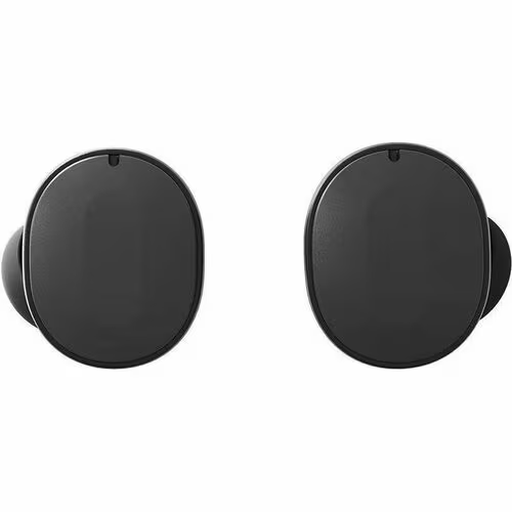 No image available
A wireless option if replaceable parts are important to you.
Fairphone describes seven replaceable parts, including the earbud batteries, and up to eight hours of playback with ANC off.
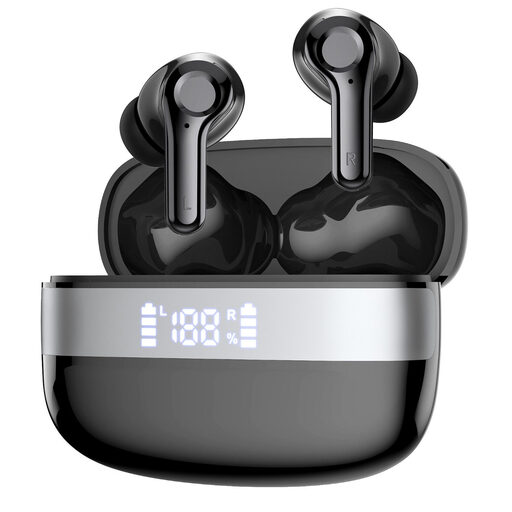 No image available
A wireless option if you’re looking for in-ear headphones with hands-free functionality.
The product name lists Bluetooth 5.4 and USB-C; the product information mentions hands-free controls. Before buying, check that the connection and fit suit your needs.
No. A high attenuation claim isn’t, on its own, a reason to choose a model. First look for a comfortable seal and check how much sound other people can hear at low volume; an attenuation rating doesn’t tell you this directly.
Before buying, check that your player has a compatible connection or that you’ll need a suitable adapter. Follow the instructions for the exact version when cleaning or replacing tips, filters and cables; the models listed have different cable connections.
Start quietly and don’t turn up the volume to compensate for a poor seal. Thuisarts advises keeping the volume at a reasonable level and using the volume limiter on your headphones or earphones.
According to ACM ConsuWijzer, the statutory cooling-off period for online consumer purchases generally lasts up to 14 days after delivery. Exceptions may apply to hygiene products that have been removed from their packaging; check the terms for the specific purchase before opening the packaging. This is separate from your rights if a product is faulty.
Contact the seller if the product breaks during normal use sooner than you could reasonably expect. ACM ConsuWijzer says the seller must resolve the issue free of charge; if you’re buying a replacement cable, also check that it’s compatible with the exact model.