Choose in-ear headphones with tips that create a comfortable seal, then check that the connector is compatible with your playback device. A good fit can help make background noise less distracting without you having to keep turning up the volume. However, maximum isolation isn’t comfortable for everyone, and it doesn’t guarantee better speech intelligibility.
Who are these in-ear headphones for?
Listening in a noisy room
You want to follow spoken lessons while someone else is making noise in the same bedroom. You’re looking for a good seal so you don’t have to keep turning up the volume. The WHO recommends well-fitting earphones to reduce the need to listen at higher volumes in noisy environments.
Long-session listener
You wear in-ear headphones for a whole lesson and want to choose tips and a shape that stay comfortable. Comfort varies from person to person; the Consumers’ Association points out that earphones can differ in how comfortable they are to wear.
Switching between devices
You listen on a phone, tablet or computer and want to check in advance that the plug fits the output. Wired models can have different connectors, so check the exact version as well as your device.
What should you look for when buying?
Start with a comfortable fit and a connector that works with your device. The WHO recommends well-fitting earphones in noisy situations to help reduce the urge to turn up the volume.
| What to consider |
What should you check? |
Who might this matter more to? |
| Reducing noise from the room |
Check which tip sizes and fitting instructions are provided, and whether the seal feels comfortable to you. Shure highlights that fit and ear tips affect isolation. |
If I’m taking a lesson in a shared bedroom, I want to make my roommate’s noise less distracting without listening at a higher volume. Around 33% of consumers prioritise reducing noise from the room. |
| Comfort during a lesson |
Look at the shape and the tip sizes included. Check the returns information before breaking any seal. |
When I’m listening for a whole lesson, I want tips that stay comfortable throughout. Around 27% of consumers say comfort is their main concern when buying. |
| Spoken lesson playback |
Compare voices using your own lesson materials at a comfortable volume. A description of the sound doesn’t prove that speech will be easier for everyone to understand. |
If spoken explanations are my priority, I want to know how voices from my own lessons sound. Around 20% of consumers prioritise speech playback. |
| Connectivity and maintenance |
Check your device’s output, the connector on the exact version, and which parts you can clean or replace. |
If I switch between devices or want to maintain parts, I want to know in advance what will suit the way I use them. Around 20% of consumers start by considering connectivity or maintenance. |
Common buying mistakes
-
Assuming a stated noise reduction figure reflects your personal experience
Actual isolation depends in part on the shape of your ear canal, the tip and how it’s fitted. A product’s stated figure therefore won’t tell you how much noise it will block in your ear.
Compare the tips and follow the fitting instructions. Check whether you can follow your lesson at a comfortable volume.
-
Buying wired in-ear headphones without checking the connector
The connector on your in-ear headphones must match the output on your phone, tablet or computer.
Before ordering, check the connector on both your device and the exact product version.
If the plug doesn’t fit, you may need a suitable adapter.
-
Assuming you can always return in-ear headphones after trying them on
Online purchases generally come with a statutory cooling-off period, but hygiene products may be exempt in certain circumstances.
Before buying, read the returns information for the specific product and check what happens if you break a seal. ACM ConsuWijzer explains that the exemption depends on the product and its seal.
If the specific product is exempt, breaking the seal may affect your right to a cooling-off period.
Brands worth comparing
Shure
The SE215 is a wired alternative to consider if you’re looking for interchangeable tips, a detachable cable and a close fit.
- Shure describes the detachable cable and provides guidance on fit and how to position the earphones.
- Shure says isolation varies by ear, tip and fit. The SE215 isn’t hearing protection with an NRR rating; the product information can’t predict how much noise it will block for you.
Etymotic
The ER2SE and ER2XR are wired alternatives to compare if you’re interested in passive isolation and different bass tunings.
- Etymotic states that the ER2SE provides 35–42 dB of passive noise reduction and describes the ER2XR as having more bass than the ER2SE.
- These are manufacturer specifications, not measurements for your ears or bedroom. Check that the required fit feels comfortable.
Sennheiser
The IE 200 is a compact wired alternative with a choice of ear tips.
- The product information lists an MMCX cable with a 3.5mm plug and several ear tip options.
- The product description doesn’t prove that voices will be easier for everyone to understand. Check that the connector and fit suit the way you’ll use them.
MOONDROP
The CHU II is an entry-level wired alternative to consider if you’re also interested in replacement parts for maintenance.
- MOONDROP lists replaceable acoustic filters for the CHU II.
- The manufacturer’s information doesn’t include a specific noise reduction measurement or demonstrate a benefit for following language lessons.
In-ear headphones at Joybuy
This selection includes wired and wireless in-ear headphones with stated noise-related features. Check that the connector and wearing style suit your device and how you’ll use them for lessons.
 No image available
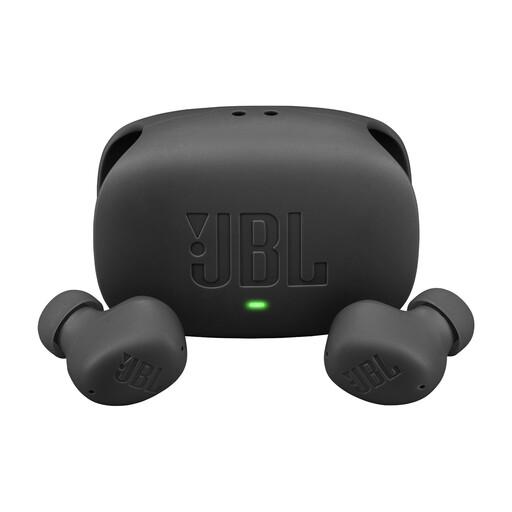
JBL Wave Buds 2, Black
These in-ear headphones are worth considering if you’re looking for noise-related features and the ability to connect to multiple devices.
The product information lists ANC, Smart Ambient and multipoint connectivity for two Bluetooth devices.
View at Joybuy
 No image available
Samsung Galaxy Buds4 Pro, True Wireless, Black
These wireless in-ear headphones are a good option if you’re looking for Bluetooth connectivity and noise-related features.
The product information lists Active Noise Cancelling, Bluetooth and an adjustable 9-band equaliser.
View at Joybuy
 No image available
Bose Noise Cancelling Wired Earbuds, Black
These wired in-ear headphones are worth considering if you’re looking for a USB-C connection and want to compare different fit options.
The product information lists QuietControl noise cancelling, USB-C, several ear tip sizes and stability wings. Check that USB-C is compatible with your device.
View at Joybuy
 No image available
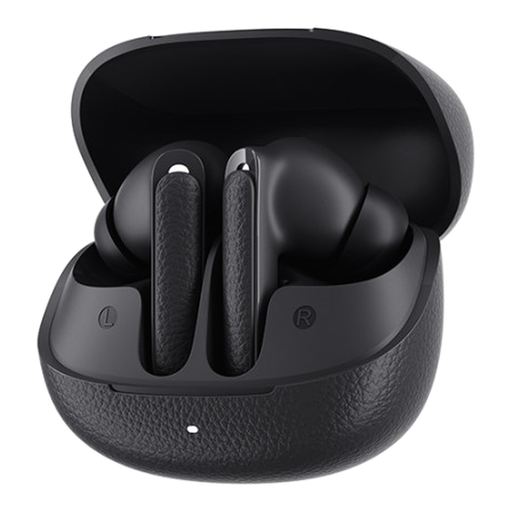
QCY Buds ANC, Black (Dark Grey)
These wireless earbuds are worth considering if you’re looking for Bluetooth connectivity and a noise-related feature.
The product information lists active noise cancelling and wireless listening.
View at Joybuy
 No image available
Soundcore A30i by Anker
These wireless in-ear headphones are worth considering if you’re looking for noise-related features and the option to switch between devices.
The product information lists ANC, Bluetooth 5.4 and multipoint connectivity for two devices.
View at Joybuy
Frequently asked questions
Should I turn the volume up if someone else is in the room?
No. First, check whether the tips create a good, comfortable seal. The WHO explains that well-fitting earphones can reduce the need to listen at higher volumes in noisy environments; don’t use in-ear headphones as hearing protection.
How can I keep in-ear headphones comfortable during regular use?
Follow the instructions for the exact model and try the included tip sizes. For the SE215, Shure recommends a close seal but warns against pushing the sleeve past the opening of the ear canal.
Can I always return in-ear headphones ordered online after trying them on?
No, not in every case. ACM ConsuWijzer states that there is generally a statutory 14-day cooling-off period after delivery, but hygiene products may be exempt in certain circumstances if the relevant seal has been opened. Check the information for the specific product before breaking a seal.
Will wired in-ear headphones work with any phone or computer?
It depends on the connector on the in-ear headphones and the output on your device. Check the plug on the exact version and, if necessary, see whether your device has a compatible output or requires a compatible adapter.


