
Jazz student in a shared room
Wants to listen to a solo repeatedly and be distracted as little as possible by conversations or other sounds in the room. Fit and seal are important considerations.


Start by choosing in-ear headphones that feel comfortable and create a good seal. A poor seal can affect both the amount of background noise you hear and how much bass you perceive. Then compare the sound tuning you prefer and check that the cable is compatible with your playback device. Manufacturers’ noise-isolation figures don’t guarantee a good seal in your ears.
Wants to listen to a solo repeatedly and be distracted as little as possible by conversations or other sounds in the room. Fit and seal are important considerations.
Wants to follow the melody, accompaniment and bass line closely, and therefore has a particular sound balance in mind. A bass-heavy tuning isn’t automatically the best choice for this purpose.
Listens for longer periods or repeatedly, and looks for a comfortable fit, suitable eartips and a connection that works with their device.
Start with fit and connectivity, then compare the sound tuning you’ll enjoy when analysing a recording.
| What to consider | What to look for | Who is this important for? |
|---|---|---|
| Blocking out room noise | Check the sizes and materials supplied, and think about whether you want to stay aware of your surroundings while listening. | When I listen in a shared room, I want fewer distractions but still want to notice my flatmate. Around 31% of consumers prioritise noise isolation. |
| Sound tuning | Compare the tuning of the exact models you’re considering; a flatter sound and a bass-heavy one suit different preferences. | When I’m following individual instrument parts, I want a sound balance that suits the task. Around 25% of consumers give sound tuning top priority. |
| Comfort for longer listening sessions | Check which sizes and materials are included, and whether the eartips feel comfortable. | For repeated or longer listening sessions, I want a fit that stays comfortable. Around 25% of consumers start by prioritising comfort. |
| Connectivity and replaceable parts | Check your device’s output and the cable supplied with the exact version; also see which replacement parts are compatible. | When I use my own playback device, I want to know whether the connection will fit and which parts can be replaced. Around 19% of consumers prioritise connectivity and maintenance. |
The seal in your ear depends partly on the fit. Shure notes in its guide that the seal can affect the sound; a manufacturer’s figure doesn’t tell you exactly how much noise you’ll hear.
Choose an eartip that fits and assess the seal without expecting all background noise to disappear. Don’t push an eartip further into your ear canal than the manufacturer recommends.
Shure describes the SE215 as having one driver and the SE535 as having three. That difference alone doesn’t prove which model is better for studying a jazz solo.
Compare the fit and sound you prefer before taking the number of drivers into account.
A wired model needs to be compatible with your device’s output. Replacement parts, such as filters for certain Etymotic models, also need to fit the exact version.
Before buying, check the connection and which cables, eartips or filters are compatible with the model you’ve chosen.
The model details below can help you compare fit, connectivity and stated sound characteristics. Features of one product range aren’t a judgement on an entire brand.
The wired SE215 may be worth considering if you’re looking for a detachable 3.5mm cable and a choice of eartips. The SE535 is a separate model.
According to Etymotic, the wired ER2SE and ER2XR offer different sound tunings for listeners who want to choose between them.
The wired IE 100 PRO is an in-ear monitor designed for the stage, which you could also consider for listening at your desk.
These Joybuy products are related to in-ear listening. For each model, check that its connection type and features suit your playback device and the way you want to listen.
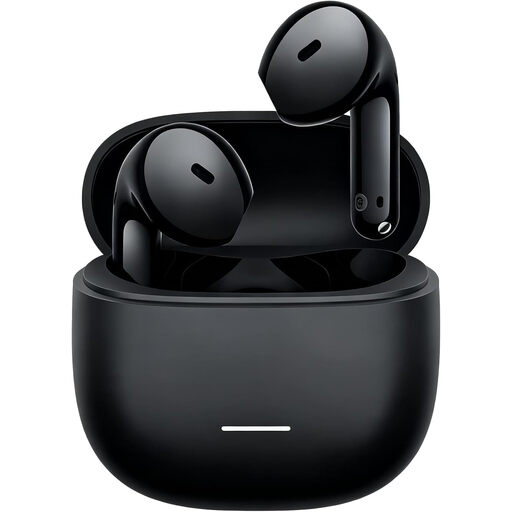 No image available
A wireless option to consider if your playback device supports Bluetooth.
Bluetooth 5.4; SBC/AAC codecs; 14.2 mm driver; extra S and L eartips; 3.8 g per earbud.
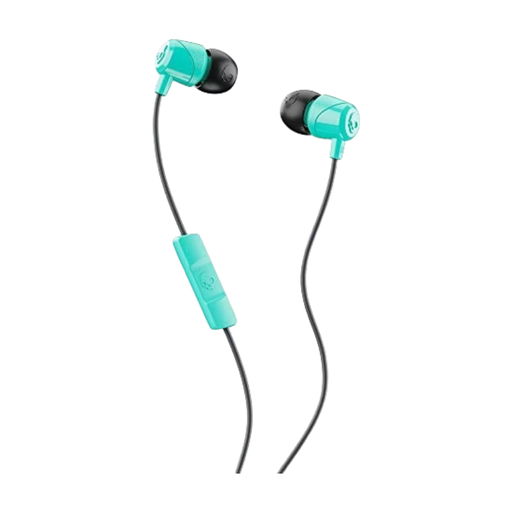 No image available
A wired option to consider if your device has a compatible 3.5mm socket.
The product information lists a 3.5mm cable, in-line controls and three pairs of silicone eartips.
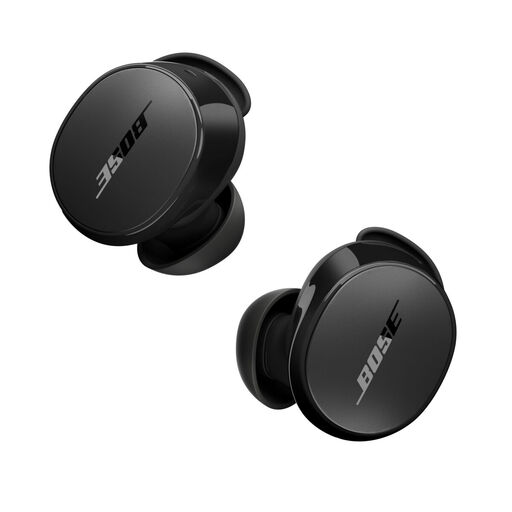 No image available
Consider this model if you’re looking at a wireless option with different listening modes.
The product information lists active noise cancellation, an Aware mode, and S, M and L eartips with stability bands.
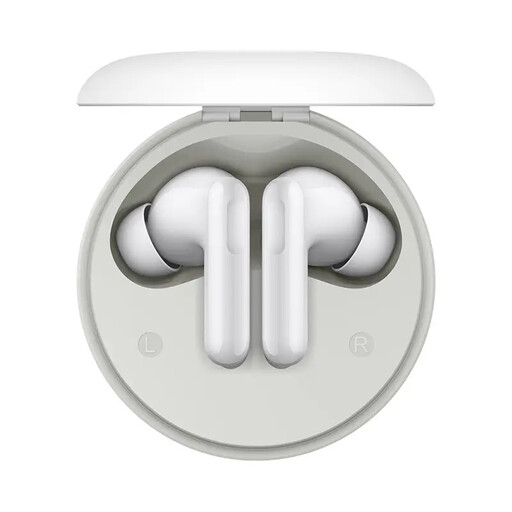 No image available
The product information lists different listening modes and adjustable EQ. Check that the controls and app features are compatible with your device.
The modes listed are noise cancellation, transparency and off. The description also mentions EQ settings via an app.
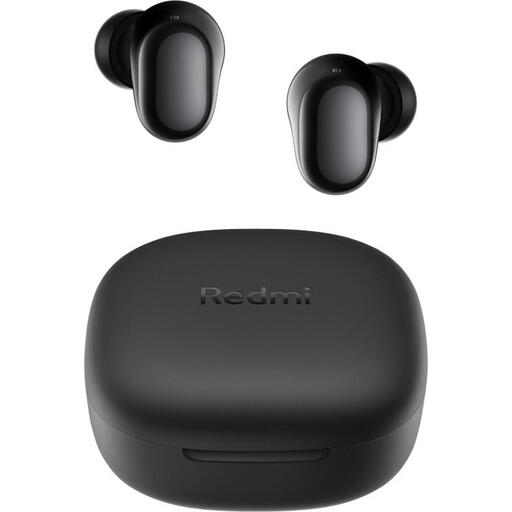 No image available
A wireless option to consider if your playback device supports Bluetooth.
Bluetooth 5.4; SBC codec; 10 mm driver; extra S and L eartips; 3.6 g per earbud.
A good fit can affect the sound; Shure notes that a lack of bass may indicate that an eartip isn’t sealing properly. Carefully try another suitable size and follow the manufacturer’s instructions for inserting it.
Keep the volume low and take regular breaks. The World Health Organization emphasises that sound levels, listening duration and repeated exposure to loud sounds all matter. A good fit isn’t a reason to listen loudly for long periods.
There is no fixed statutory guarantee period in the Netherlands. According to the Dutch government, what you can expect from a product depends, among other things, on the product itself and normal use. If it develops a fault, contact the seller.
Don’t assume you can return opened in-ear headphones unconditionally. The Dutch government says that distance purchases usually come with a 14-day cooling-off period, but there are exceptions. Check the applicable product and returns terms before opening the packaging.