
Listeners in a noisy household
You want to follow your music without constantly turning up the volume. Pay attention to how well the ear tips seal, and weigh that against the convenience of ANC.


Start with ear tips that seal comfortably and a sound balance that lets you follow the different parts in your own recordings. Wired in-ear monitors are an option if you want to listen without having to charge the earphones; choose wireless earbuds with ANC if freedom of movement and adjustable noise cancellation matter more to you. A good fit and claims about sound quality alone don’t prove that you’ll recognise chords more easily.
You want to follow your music without constantly turning up the volume. Pay attention to how well the ear tips seal, and weigh that against the convenience of ANC.
You replay clips and use your own recordings to judge whether you can follow the bass, mid-range parts and other musical layers. A brand’s description of its sound isn’t a test of chord recognition.
Your main priorities are a comfortable fit, a connection that works with your playback device, and the option to replace the ear tips or cable.
Choose this option if: you want to listen without charging the earphones and your playback device has a compatible connection.
Bear in mind: the fit affects passive isolation, and replacement cables must be compatible with the exact model.
Choose this option if: you want to move around the house or value ANC and ambient sound controls.
Bear in mind: wireless listening means charging the earbuds; ANC claims don’t prove better chord recognition.
| What to consider | What to check before buying | Who this is for |
|---|---|---|
| Reducing household noise | Try the available ear tip sizes and check the seal; for wireless models, check what kind of noise cancellation they offer. | If household noise drowns out quieter parts, I want to find out first whether well-fitting tips provide enough of a seal, rather than constantly turning up the volume. Around 25% of consumers prioritise reducing household noise. |
| Following the different musical parts | Compare the same familiar clips and listen to the sound balance at a comfortable volume. | When I’m working out chords, I want to be able to tell from my own recordings whether I can distinguish the bass from the other parts. Around 25% of consumers prioritise sound separation for this kind of analysis. |
| Comfort during long listening sessions | Check which sizes and ear tip materials are included; don’t force a seal that feels uncomfortable. | When I’m listening repeatedly, I want a fit that feels comfortable to wear, not just a tip that seals tightly. Around 20% of consumers prioritise wearing comfort. |
| Connections and components | Check the input on your playback device and the exact connector needed for any replacement cable. | If I’m listening with wired earphones, I want to know whether the monitor connects directly to my device and which components are compatible with the model. Around 15% of consumers prioritise connectivity and maintenance. |
| Listening volume | Start at a low volume, take breaks and use volume monitoring if your playback device offers it. | When household noise tempts me to turn the volume up, I want to keep a mindful eye on my volume and listening time. Around 15% of consumers prioritise responsible listening. |
The seal depends partly on the shape of your ear canal, the tip you use and how it fits. A manufacturer’s figure therefore can’t predict exactly how much household noise you’ll hear.
First choose tips that seal comfortably, then compare the stated noise-reduction figures.
The sound descriptions of the ER2SE, SE215 and IE 200 aren’t a comparative test of chord recognition.
Compare familiar clips at a responsible volume and judge for yourself whether you can follow the different parts.
The Shure SE215 uses MMCX connectors on the earbuds; Audio-Technica specifies A2DC for the ATH-E40. So a detachable cable isn’t automatically interchangeable.
Check the connection at both ends and look for a cable made for the exact model.
A replacement cable or adapter may be model-specific, so check which connection you need beforehand.
ANC is a different way of dealing with ambient noise. An ANC claim doesn’t show that you’ll hear chords more clearly.
Let the type of household noise, the freedom of movement you want, the fit and your playback device guide you in deciding which option to try.
The wired ER2SE is worth considering if you want to compare a sound profile the manufacturer describes as flat with passive isolation.
The wired SE215 comes with a selection of ear tips and a detachable cable.
The IE 200 is a compact wired in-ear model with a choice of ear tip materials; the IE 100 PRO is a separate monitor range.
The wired ATH-E40 is worth comparing if you want several sizes of silicone tips and a replaceable cable.
The WF-1000XM5 is a wireless ANC alternative if freedom of movement and adjustable noise cancellation are your priorities.
These product picks are suited to wireless listening with ANC; the selection also includes a wired USB-C option with noise cancellation.
 No image available
Suited to anyone who wants to reduce household noise while listening wirelessly and adjust the equaliser.
The product information lists ANC and an adjustable 9-band equaliser. Wireless use depends on the built-in battery and charging.
 No image available
A wired option for anyone who wants to compare noise-cancelling earbuds without needing to charge the earbuds themselves.
The product information lists a USB-C connection, three sizes of ear tips and two sizes of stability bands. Your audio source needs a compatible USB-C port.
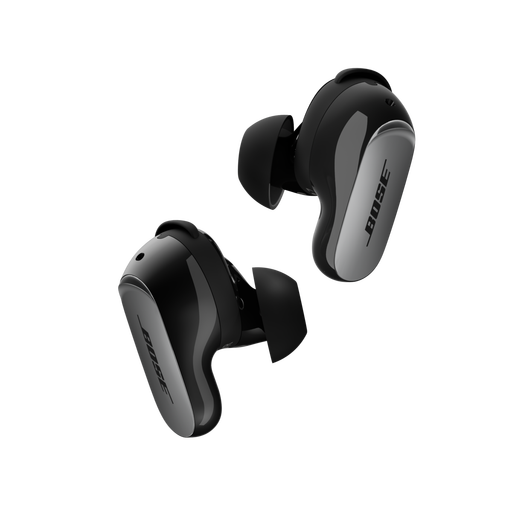 No image available
Suited to anyone who wants to combine wireless ANC with an adjustable equaliser.
The product information lists ANC, a 5-band equaliser, three sizes of ear tips and stability bands. The stated battery life is up to six hours on a full charge.
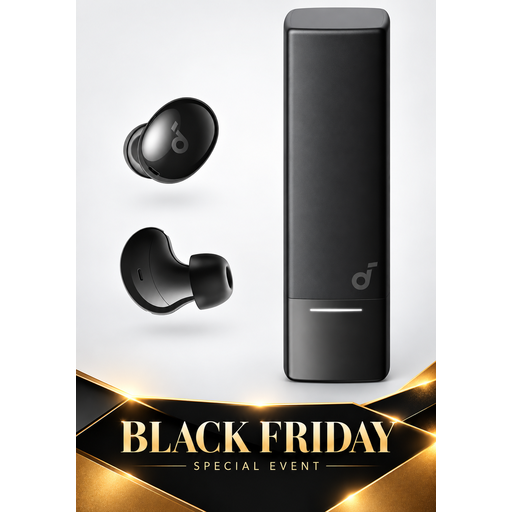 No image available
A wireless option to compare if ANC matters to you when listening at home.
The product information lists Bluetooth, ANC and an app-based 3D surround sound feature. Wireless use depends on charging.
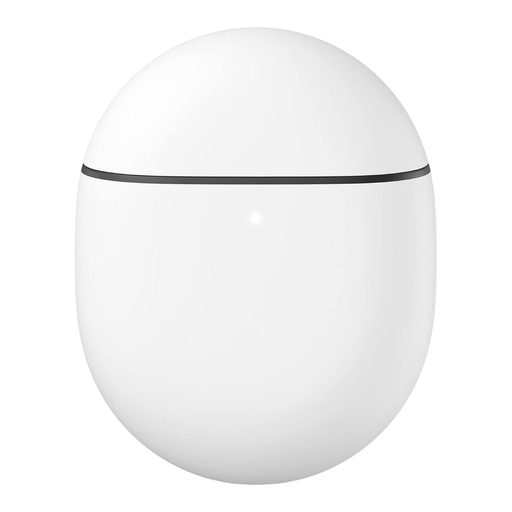 No image available
Suited to anyone who wants to compare wireless ANC earbuds with an adjustable equaliser.
The product information lists ANC, an adjustable 5-band equaliser, several sizes of ear tips and an ambient sound mode. The earbuds and charging case need to be charged.
No, an in-ear monitor doesn’t automatically make chords easier to recognise. Try a familiar clip and see whether you can follow the different parts in your own recording; product descriptions of sound and isolation aren’t tests of chord recognition.
Try the included sizes and materials until you find a comfortable seal. Don’t force a fit, and follow the model’s instructions for cleaning and replacement; don’t turn up the volume to compensate for a poor seal.
Start at a low volume and take breaks. The World Health Organization gives examples of exposure limits of up to 40 hours a week at 80 dB and four hours at 90 dB; these examples don’t mean that a particular volume setting on every device produces a fixed number of decibels.
Check beforehand which cables and ear tips are compatible with the exact model. If a product is faulty, the seller must offer a solution under Dutch consumer law; there’s no set statutory guarantee period. Online purchases often come with a 14-day cooling-off period, but the ACM notes a possible exception for hygiene products that have been removed from their packaging. Whether this exception applies to specific in-ear headphones depends on the product and its packaging.