
Picking apart a solo
You want to listen to passages repeatedly and check whether you can follow the guitar part in your recording. A manufacturer’s description of the detail doesn’t replace comparing the headphones with a recording you know well.


Start with in-ear headphones that fit comfortably and create a good seal, then use a familiar recording to check whether you can follow the guitar part at a low volume. Wired listening means no charging, but you’ll need a suitable connection; wireless gives you more freedom to move, but requires charging and a battery. No description of the sound or claim about noise isolation can guarantee how the earbuds will sound or feel in your ears.
You want to listen to passages repeatedly and check whether you can follow the guitar part in your recording. A manufacturer’s description of the detail doesn’t replace comparing the headphones with a recording you know well.
You practise shortly before bed and want a comfortable tip, a housing that doesn’t press on your ears and a modest volume. Pain or itching is a reason to stop, not to turn the sound up.
You want fewer distractions without turning up the volume. Consider whether passive noise isolation or the convenience of a wireless connection is better suited to where you listen.
| What to consider | What to look for | Who is this important to? |
|---|---|---|
| Following the guitar part | Listen to a familiar solo passage at a modest volume; assess the tuning of the exact model. | If you want to pick out notes and timing from a recording, being able to hear the part clearly comes first. Around 25% of consumers say following the guitar part is their top priority. |
| Fit | Check which tip sizes are included and try a suitable tip without forcing it. | If you listen before bed, you’ll want the tips and housing to feel comfortable and not put pressure on your ears. For around 25% of consumers, fit is the top priority. |
| Sound exposure | Keep the volume low and limit listening time; take breaks if you practise repeatedly. | If you play the same passage over and over, you’ll want to keep your overall sound exposure under control. Around 20% of consumers put this first. |
| Background noise | Compare the seal with different tips; don’t treat stated noise reduction as a guaranteed result. | If you practise in a shared space, reducing distractions may be important, but you should also consider any sounds you still need to hear. For around 15% of consumers, noise isolation comes first. |
| Connection and convenience | Check your player’s output and the connection supplied; for wireless models, check playback time per charge. | If you mainly want a practical connection and ease of use, check whether wired or wireless suits your player. Around 15% of consumers make connection and convenience their top priority. |
The seal depends on the fit. What’s more, less background noise doesn’t mean important sounds will always remain audible.
Check which tips fit comfortably, and don’t use a noise-reduction claim as a reason to listen louder or for longer.
Different versions in the same product range may have different connections and included accessories.
Check the full model number, what’s in the box and the connection on your player.
A suitable adapter may be needed for a wired version. Check this beforehand if your player doesn’t have a compatible output.
A stated total usage time may include charging in between, while batteries also wear out over time.
Check playback time per charge and which parts of the exact version can be replaced.
The shape of your ear and the housing both affect how comfortable in-ear headphones feel. Having several tip sizes doesn’t guarantee comfort when you’re lying on your side.
Try the fit without forcing it and use the earbuds for your listening session before bed. Take them out when you go to sleep.
The SE215 is a wired in-ear model with replaceable sleeves and a replaceable cable.
The IE 100 PRO is available as a wired version and as a separate wireless version.
Etymotic describes the ER2SE as a model with a flat response and passive isolation.
The ATH-E40 comes with silicone tips in four sizes: XS, S, M and L.
According to Mackie, the MP-120 has a detachable MMCX cable and comes with several types of tips.
These Joybuy products include wireless and wired in-ear headphones to consider for listening and practising before bed. Check each model’s connection, features and fit to make sure they suit the way you’ll use them.
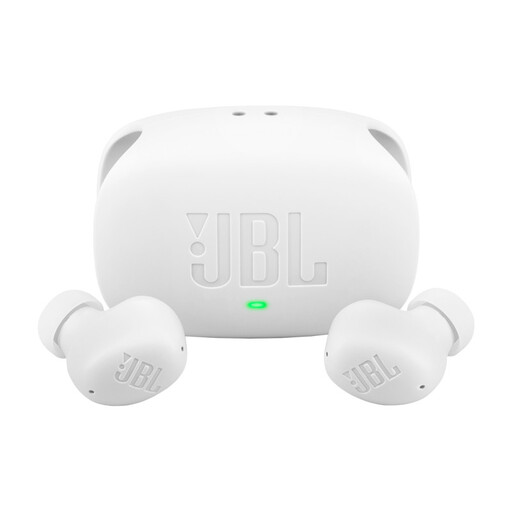 No image available
A wireless option if you don’t want a cable while listening. The product description mentions ANC and Smart Ambient; check which settings suit where you practise.
 No image available
A wireless version to consider if you want fewer distractions from background noise. The product description lists Bluetooth 6.0 and ANC.
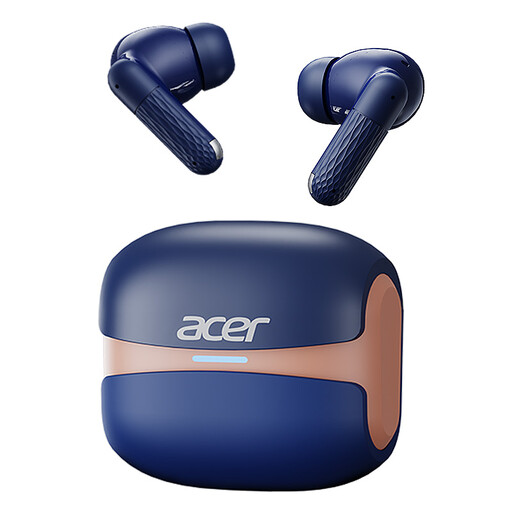 No image available
A wireless option if you want to avoid having a cable while listening. The product name lists Bluetooth 5.4 and a Type-C charging case.
 No image available
A wireless option if you want to adjust the sound. The product description lists ANC and an adjustable 9-band equaliser.
 No image available
A wired option if you’d rather not have to charge your earbuds. The product description lists USB-C, three sizes of ear tips and two sizes of stability wings; check that your player has a suitable connection.
Use them for your listening session before bed and take them out when you go to sleep, especially if they press on your ears or make them itch. Thuisarts lists earplugs as a possible cause of an inflamed ear canal; contact your GP if symptoms persist.
Keep the volume low and limit your total listening time. The World Health Organization gives 80 dB for up to 40 hours a week as an example of safe listening; this isn’t a setting you can read directly from a volume slider, and the louder the sound, the shorter the safe listening time.
Carefully try another tip supplied with the headphones. Shure says that, with the SE215, a lack of bass may mean the sleeve isn’t sealing properly; don’t push the sleeve past the entrance to the ear canal.
According to the Dutch government, distance purchases usually come with a 14-day cooling-off period; check the terms of the specific purchase. You’re also entitled to a product that works as it should: if there’s a problem, contact the seller to arrange a solution.
The Dutch Authority for Digital Infrastructure states that electrical and electronic equipment must have the correct CE marking. The European Commission describes the Radio Equipment Directive as the framework for radio equipment; check the marking and product information for the specific model.