
Solo learner
You play a recording repeatedly to pick out notes and articulation. Etymotic and Audio-Technica’s descriptions of their sound are manufacturers’ claims, not an independent listening ranking.


Start with the signal path, not just the in-ear headphones: to hear a recording and your own guitar at the same time, you need a device that combines both signals. Then choose in-ears with a suitable connection and a comfortable seal. Wired headphones keep your setup simple, while Bluetooth gives you more freedom to move, but you’ll need to check the latency of your complete setup.
You play a recording repeatedly to pick out notes and articulation. Etymotic and Audio-Technica’s descriptions of their sound are manufacturers’ claims, not an independent listening ranking.
You want to hear both the recording and your own guitar without using a speaker. To do that, both signals need to reach your in-ears through a suitable output or another signal path. Fender, for example, describes a device that combines wired earphones with streamed audio.
You practise for longer periods or in a noisy environment, so you’re looking for eartips that stay comfortable. A good seal affects sound reproduction, but noise-isolating in-ears don’t remove the need to listen responsibly and stay aware of your surroundings.
For this practice setup, first work out how to connect your recording and guitar. Then compare sound, fit and maintenance options to find what suits the way you listen.
| What to consider | What to look for | Best for |
|---|---|---|
| Detail in the solo | Compare the tuning of the exact model and, if possible, listen to a familiar recording with eartips that fit well. | If I want to pick out notes and articulation in a solo, I focus on a sound balance that suits my recording. Around 31% of consumers put sound detail first. |
| Recording and guitar together | Check which output your amplifier or interface has and how to feed the recording into it. | If I want to hear my own guitar while listening, I first check how to combine both signals. Around 25% of consumers prioritise this signal path. |
| Fit and listening volume | Check the sizes of the supplied eartips, try to get a comfortable seal and keep the volume at a sensible level. | If I practise outdoors, I want a comfortable fit without losing awareness of my surroundings. Around 25% of consumers prioritise fit and responsible listening. |
| Cable and eartips | Check whether parts are replaceable for the exact model and which connector a replacement cable needs. | If I want to be able to replace parts, I check the cable connection and which eartips fit this particular model. Around 19% of consumers give maintenance and replaceability top priority. |
Your earphones reproduce whatever the connected source provides. Without a suitable output and a route for both signals, buying different in-ears won’t solve the problem of hearing yourself play along.
Before you buy, map out how the guitar and recording will reach the headphone output.
The seal affects both the sound and how much of your surroundings you can hear. The World Health Organization points out that both sound level and listening time matter for safe listening.
Try an eartip that fits, start at a low volume and stay alert to your surroundings outdoors.
Using Bluetooth to play a recording is different from receiving a wireless monitor mix via a transmitter and receiver. The connections and equipment are different.
First decide whether you want to listen to a recording wirelessly or receive a monitor mix. If you’re using a radio-frequency system, check the relevant frequency bands and regulations in the Netherlands.
The wired SE215 is worth considering if you want a choice of eartips and a replaceable cable.
The IE 100 PRO range is available in a wired version and a separate Wireless version.
The ER2SE is an option if you’re looking for a tuning that the manufacturer describes as flatter; according to Etymotic, the ER2XR has more bass.
The wired ATH-E40 could suit you if you want several eartip sizes and a replaceable cable.
This selection includes wired and Bluetooth in-ears for listening to a solo recording. To hear your own guitar at the same time, you’ll still need a separate, suitable signal path.
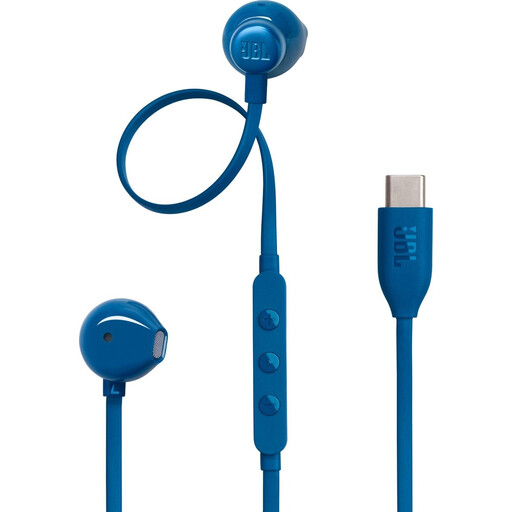 No image available
Wired earphones for listening to music; the product description mentions cable controls and EQ presets.
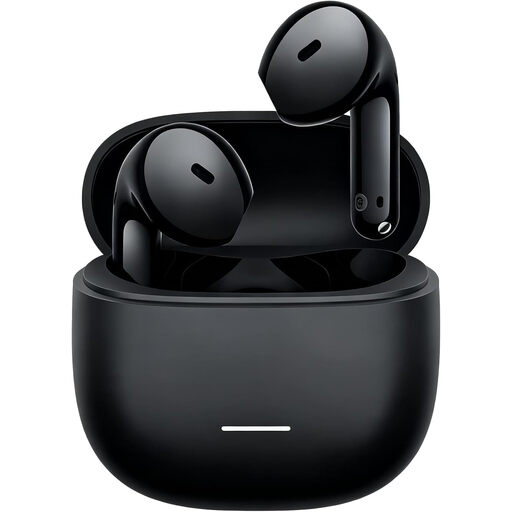 No image available
Bluetooth earphones for listening to recordings wirelessly; the stated playback time is 7 hours per charge, and a charging case is included.
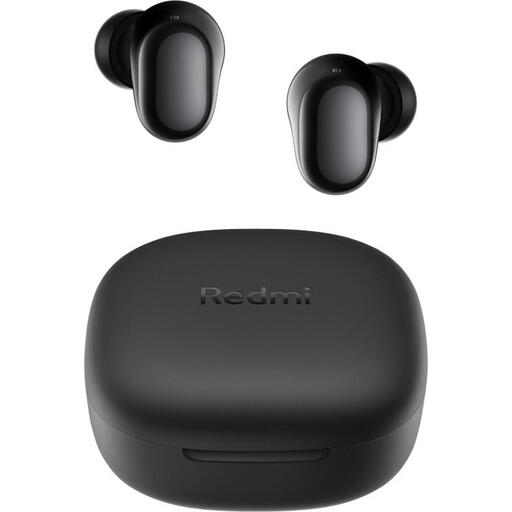 No image available
Bluetooth earphones for listening to music wirelessly; the stated playback time is 7.5 hours per charge and up to 36 hours with the charging case.
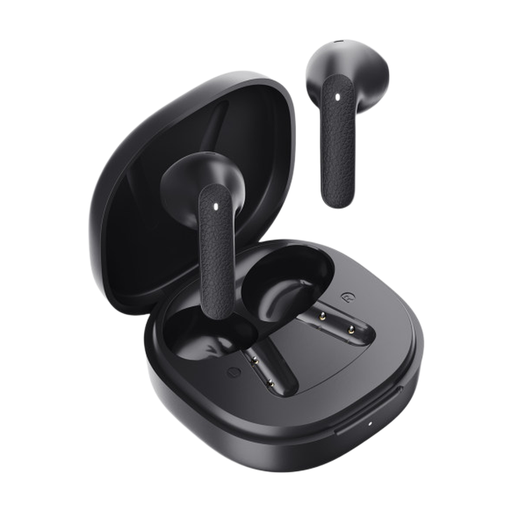 No image available
Bluetooth in-ears for audio playback; the stated playback time is 7 hours per charge and up to 35 hours with the charging case. The case has a USB-C charging port.
 No image available
Wired earphones with USB-C audio for listening to recordings. The description lists three sizes of eartips and two sizes of stability bands; noise cancelling reduces background noise, which can make it harder to stay aware of your surroundings outdoors.
No. Wired in-ears are designed for a suitable audio output, not as a guitar input. Check which headphone output and any recording input your amplifier or interface has. Fender describes the Mustang Micro Plus as one example of a device that combines wired earphones with streamed audio.
Start with eartips that fit well and keep the volume low. The World Health Organization points out that both sound level and listening time affect the risks. An average of 80 dB for up to 40 hours a week is one example of safe listening, not a guaranteed setting on your device.
First check the fit and make sure the opening is clean. Follow your model’s instructions for cleaning; Shure also explains how to carefully disconnect and replace the cable on the SE215.
For online purchases in the Netherlands, you generally have a statutory 14-day cooling-off period after delivery. ACM ConsuWijzer lists an exception for hygiene products that have been removed from packaging intended to keep them sealed. Before buying, check the information on seals and returns for the specific item.
According to the Dutch Authority for Digital Infrastructure, radio-frequency IEM systems usually don’t require a licence, provided you follow the applicable frequency bands and conditions; the available frequencies may vary by location. Bluetooth uses a different wireless connection. If you’re using a radio-frequency system, check the specifications of the specific transmitter.