
Solo sleuth
Wants to listen to short guitar passages repeatedly at a controlled volume, even when there’s background noise at home. Fit and a suitable playback source both matter.


Choose in-ear headphones based on fit and how much of your surroundings you need to hear while doing the housework. Then decide between a wired connection and greater freedom of movement. A secure seal can reduce distractions, but it isn’t suitable if you need to notice warnings or other people, and it’s no reason to turn the volume up. You’ll also need suitable playback software to slow down or repeat notes; the earphones can’t do that themselves.
Wants to listen to short guitar passages repeatedly at a controlled volume, even when there’s background noise at home. Fit and a suitable playback source both matter.
Gets on with light household tasks while listening to music and doesn’t want an audio cable getting in the way. Also considers when they need to be able to hear what’s happening around them.
Wants to check in advance whether the earphones, cable or Bluetooth module are compatible with their playback source, and which parts can be replaced.
Choose this option if: you mainly listen in one place or can safely tuck the cable away, and want a good seal to block out background noise.
Bear in mind: the cable may get in the way when you’re moving around doing household tasks, and a tight seal makes it harder to hear what’s happening around you.
Choose this option if: you move around during light, safe tasks and don’t want an audio cable connecting you to your playback source.
Bear in mind: a Bluetooth module needs charging. Also check the exact version and which accessories are included.
Choose this option if: you need to hear the doorbell, someone at home or a warning while doing a task.
Bear in mind: it may be harder to concentrate on the solo; don’t turn the volume up to drown out background noise.
| What to consider | What should you check? | Who is this important to? |
|---|---|---|
| Following the solo | Check that the ear tips provide a comfortable seal and that your player or software can repeat or slow down passages. | If I want to follow the notes in a passage without turning up the volume, I look at the fit and playback features. Around 33% of consumers make following the solo their top priority. |
| Freedom of movement and fit | Decide whether you can safely tuck the cable away during the tasks you have in mind; compare the ear tips and the exact version. | When doing light household tasks, I want the earphones to stay comfortable and not be hindered by a cable. Around 27% of consumers prioritise freedom of movement and fit. |
| Background noise and volume | Consider whether you need to hear sounds around you during each task; keep the volume at a sensible level and take listening breaks. | If I need to notice warnings or other people while doing the housework, being aware of my surroundings matters more than a tight seal. Around 20% of consumers prioritise awareness of their surroundings and safe listening. |
| Connection and maintenance | Check the connection to your playback source, what’s included in the box and which cables or other parts can be replaced. | Before I order, I want to know whether the connection works with my player and which parts I can replace later. Around 20% of consumers make connection and maintenance their top priority. |
Manufacturers’ isolation ratings don’t tell you how much sound actually reaches your ears. The World Health Organization links the risk of hearing damage to both sound level and listening time.
Try suitable ear tips, keep the volume at a sensible level and don’t use earphones with a strong seal when you need to hear sounds around you.
The Sennheiser IE 100 PRO Wireless is described as coming with a Bluetooth module and standard cable. Check the exact version to see which parts are included with your product.
Before buying, compare the full model name, the connection on your playback source and the listed contents of the box.
ACM ConsuWijzer lists exceptions to the cooling-off period, including hygiene products whose seal has been broken. Whether an exception applies depends on the product and the order.
Read the seller’s returns information before opening the packaging, especially if it’s sealed.
The SE215 range is a wired, sound-isolating IEM with a replaceable cable and a choice of sleeves.
The IE 100 PRO is available as a wired version and as a separate Wireless version with a Bluetooth module.
Etymotic describes the ER2SE as a model with a flat response and the ER2XR as a version with more emphasis on bass.
The CHU II is worth considering if replaceable acoustic filters are important for maintenance.
The ZS10 PRO X is a wired IEM with a detachable two-pin connection.
This selection includes wireless in-ear headphones for light tasks and wired options. Compare the connection, fit and level of isolation with how much of your surroundings you need to hear while listening.
 No image available
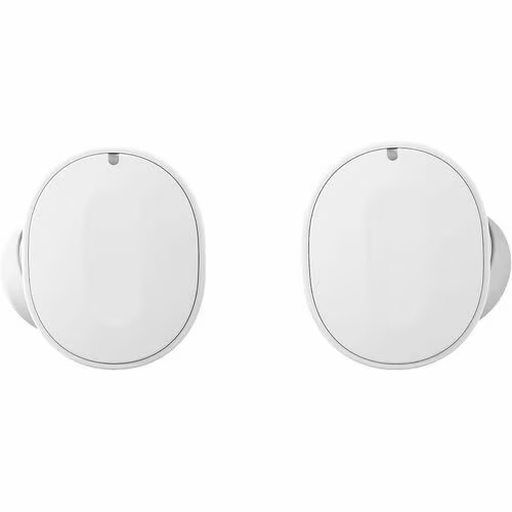
A True Wireless option for anyone who doesn’t want an audio cable connecting them to their playback source during light tasks; don’t use noise cancelling when you need to hear sounds around you.
The product name mentions active noise cancelling.
 No image available
A wireless option to compare if you don’t want an audio cable connecting you to your playback source during light household tasks; consider whether you need to hear sounds around you while you work.
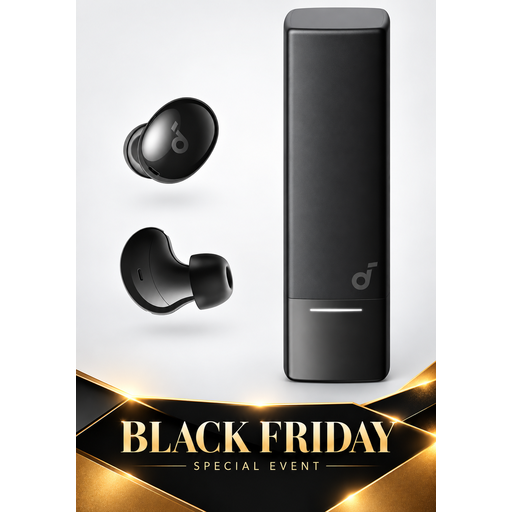 No image available
A wireless option to consider if you don’t want an audio cable connecting you to your source during light tasks; noise cancelling can make it harder to hear sounds around you.
The product name describes noise-cancelling earphones.
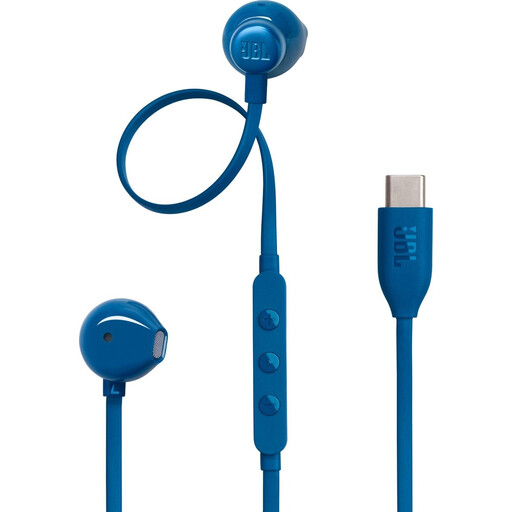 No image available
A wired option to compare if it’s compatible with your source; bear in mind that the cable may get in the way when you’re moving around doing household tasks.
 No image available
A wired option for anyone who doesn’t want to charge wireless earphones; don’t use noise cancelling when you need to hear sounds around you.
The product name mentions a wired connection and noise cancelling.
No, you’ll need a suitable player or software for that. Audacity, for example, describes a feature that changes the tempo without changing the pitch; you’ll need to be able to use the audio in that software.
Try different suitable ear tips at a low volume. Shure says that the seal affects sound reproduction, so an attenuation rating doesn’t guarantee how well the earphones will seal in your ears.
Keep the volume at a sensible level and take listening breaks. The World Health Organization points out that both sound level and listening time matter; the volume percentage on a device doesn’t directly tell you the sound level in your ear.
According to ACM ConsuWijzer, online purchases generally come with a cooling-off period of up to 14 days after delivery, subject to exceptions. Unsealed hygiene products taken out of their packaging may fall under an exception, so check the seller’s information before breaking a seal. Your statutory rights for a faulty product are separate from any manufacturer’s warranty.