Who are these in-ear headphones for?

Picking out chords in a busy cabin

You want to replay sections of the same recording without constantly turning up the volume. So look for a good seal and a sound profile that suits your listening needs. The World Health Organization recommends well-fitting, noise-cancelling headphones to help reduce the need to turn up the volume in noisy environments.

Listening for long periods

If you want to listen for hours, fit, listening volume and any charging breaks are all important considerations. The World Health Organization recommends safe listening practices, so try out the tips and see how they feel before you travel.

Travelling with different audio sources

You’ll want to check in advance that your chosen cable or wireless connection works with your phone, laptop or any seat-back audio system. Check the flight instructions before using Bluetooth, too.

What should you look for when choosing?

Wired, with a flat sound profile

A good fit if: you want to assess instrument tones in a mix and have a compatible connection. Etymotic describes the ER2SE as having a flat sound profile.

Trade-off: fit affects the seal, and the cable needs a compatible output or adapter.

Wired, with different sound profiles or tip options

A good fit if: you want to try different tips or compare a different sound profile. Sennheiser describes the IE 200 as balanced, while Shure describes the SE215 as bass-rich.

Trade-off: these different manufacturer descriptions do not show a proven benefit for chord recognition.

True wireless with active noise cancellation

A good fit if: you want to listen without cables and active noise cancellation is important to you.

Trade-off: compare battery life in your preferred mode with how long you plan to listen, and follow your airline’s instructions.

Concern What to look for Who is this important to?
Sound for picking out chords Compare the sound description with your preferences and, if possible, listen to a familiar recording beforehand. Etymotic describes the ER2SE as having a flat sound profile; this is no guarantee that it will help you recognise chords. If your main aim is to assess tones and chord changes in a recording, sound comes first. Around 31% of consumers say sound is their main concern.
Cabin noise Check that the tips create a good seal. Etymotic quotes 35–42 dB of passive isolation for the ER2SE, while Shure quotes up to 37 dB for the SE215. These manufacturer figures do not guarantee the level of noise reduction you’ll get on your flight. If you want to reduce cabin noise without constantly turning up the volume, focus on the seal or active noise cancellation. Around 25% of consumers say cabin noise is their main priority.
Fit and listening time Try different tip sizes and check how the in-ear headphones feel. Keep the volume down and take listening breaks; a quoted isolation rating cannot predict how well they will fit you. If you want to listen for hours on a long flight, you’ll want comfortable tips and a volume you can keep low. Around 25% of consumers say comfort over long periods is their main priority.
Connection and battery life Check the output on your playback device, whether you need an adapter, and the flight instructions. For wireless models, compare the quoted battery life in your chosen mode with how long you plan to listen. If you use a particular audio source or want to avoid a charging break, check the connection and battery life in advance. Around 19% of consumers say connection and battery life are their main priorities.

Things to consider before you travel

  • Assuming a quoted isolation rating guarantees noise reduction

    How well the headphones seal also depends on the tips and the fit. Turning up the volume is not a safe solution if sound is leaking past the tips.

    Try different tips before you travel and keep the listening volume down.

  • Assuming the on-board connection will work automatically

    A 3.5 mm plug will not necessarily fit your own device or the seat-back audio system. For wireless use, follow your airline’s instructions.

    Check your device, any seat-back audio system and the flight instructions before you travel. You may need a suitable adapter for your own device.

  • Using battery life with noise cancellation off as your guide

    Sony quotes up to 8 hours of music playback for the WF-1000XM5 with noise cancellation on, and up to 12 hours with it off.

    Compare the quoted battery life for the mode you actually want to use with how long you plan to listen.

Brands to compare

Etymotic

The ER2SE is a wired option to consider if you want to compare a sound profile that Etymotic describes as flat.

  • Etymotic quotes 35–42 dB of passive isolation for the ER2SE and a replaceable cable.
  • The actual seal depends on the fit; the quoted figure does not demonstrate an advantage for chord recognition.

Sennheiser

The wired IE 200 is an option if you want to try the different tips included and compare the sound that Sennheiser describes as balanced.

  • Sennheiser lists a detachable MMCX cable with a 3.5 mm plug, as well as silicone and foam tips.
  • The sound description comes from the manufacturer and is not an independent comparison.

Shure

The wired SE215 may be worth considering if interchangeable tips and a detachable cable are important to you.

  • Shure lists different tips, a detachable cable and up to 37 dB of isolation.
  • Shure describes the sound as bass-rich; the quoted maximum does not guarantee noise reduction on a plane.

Sony

The true wireless WF-1000XM5 is an option if you want to compare active noise cancellation with cable-free listening.

  • Sony specifies up to 8 hours of music playback with noise cancellation on.
  • Compare that battery life with how long you plan to listen; the specification does not show that chords are easier to identify than with wired in-ear headphones.

In-ear headphones at Joybuy

This selection includes wired in-ear headphones and true wireless earbuds for listening with cabin noise, fit and connection in mind.

Samsung Galaxy Buds4 Pro True Wireless, black

Samsung Galaxy Buds4 Pro True Wireless, black

A true wireless option if you’re looking for active noise cancellation and customisable listening settings.

The product description lists an adjustable 9-band equaliser and up to 6 hours of playback with ANC on.

View at Joybuy
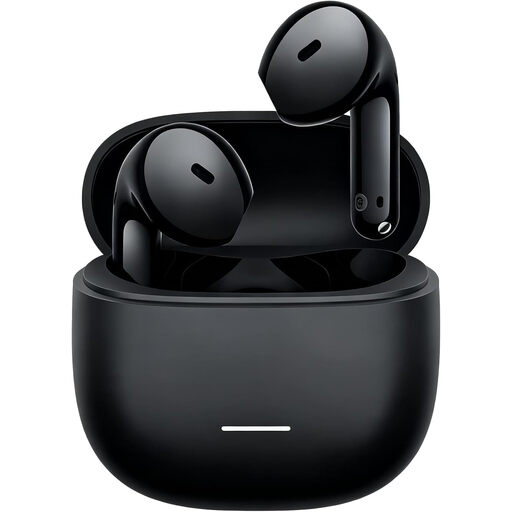
Xiaomi Redmi Buds 8 Active, black

Xiaomi Redmi Buds 8 Active, black

A wireless option if you want to listen from a Bluetooth device and weigh the battery life per charge against how long you plan to listen.

The product description lists Bluetooth 5.4, up to 7 hours of playback per charge and up to 37 hours with the charging case.

View at Joybuy
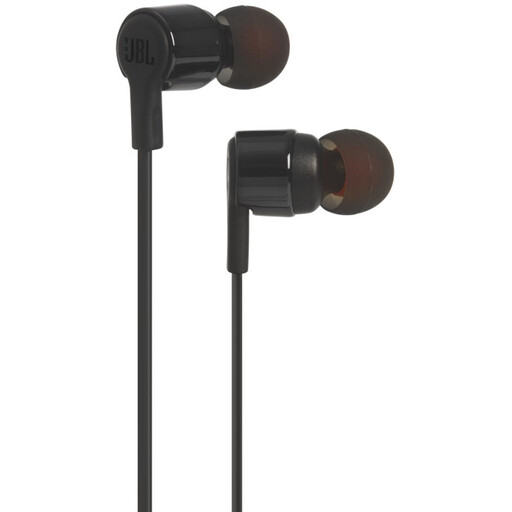
JBL Tune 210 wired in-ear earbuds, black

JBL Tune 210 wired in-ear earbuds, black

A wired option if you have a 3.5 mm connection and want to avoid having to stop and recharge.

The product listing mentions a 3.5 mm connection, several sizes of ear tips and a microphone. JBL’s sound description refers to deep bass.

View at Joybuy

Bose Noise Cancelling Wired Earbuds, black

Bose Noise Cancelling Wired Earbuds, black

A wired option if you have a USB-C connection and want to compare noise cancellation.

The product description lists a USB-C connection, noise cancellation, three sizes of ear tips and two sizes of stability bands.

View at Joybuy
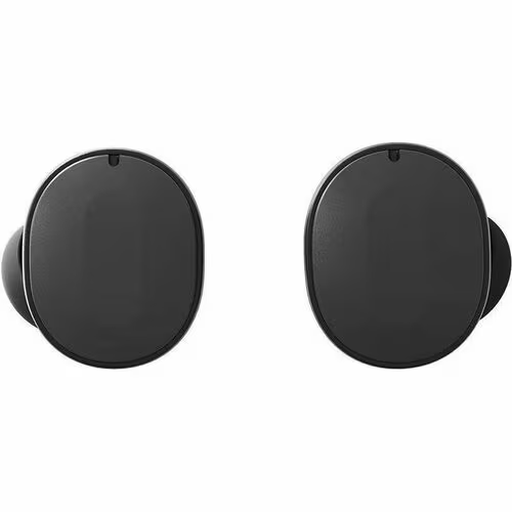
Fairphone Fairbuds, black

Fairphone Fairbuds, black

A true wireless option if you want active noise cancellation and need to factor in battery life with the charging case.

The product description lists Bluetooth 6.0, an adjustable in-app equaliser and up to 8 hours of playback with ANC off, or up to 40 hours with the charging case.

View at Joybuy

Frequently asked questions

Does an in-ear headphone with a flat sound profile automatically make chords easier to recognise?

No, that does not follow from the product specifications. Etymotic describes the ER2SE as having a flat sound profile. Treat this as a sound characteristic to compare, not a guarantee that you’ll be able to pick out individual notes in every recording.

What should I get ready before I travel?

Try the tips and check the connection on your own playback device. The Sennheiser IE 200 and Shure SE215 are described as having a 3.5 mm cable; check whether your device has a compatible output or needs a suitable adapter. For wireless in-ear headphones, compare how long you plan to listen with the quoted battery life.

How should I care for noise-isolating ear tips?

Follow the instructions for the specific model. Sony recommends cleaning the WF-1000XM5 ear tips with a soft, dry cloth and warns against washing them with water. Check that the tips are securely attached and undamaged, too; don’t assume these instructions apply to tips from other brands.

Can I use wireless earbuds during a flight?

Check the flight instructions first. According to the European Union Aviation Safety Agency, the use of portable electronic devices depends on the circumstances and the airline’s instructions; flight mode is generally required. Follow the on-board guidance and check whether you’re allowed to switch Bluetooth back on during your flight.

Can I return in-ear headphones bought online?

For an online purchase from a professional seller in the EU, you generally have a 14-day cooling-off period from the date you receive the goods. According to the EU consumer portal, you pay the direct cost of returning the goods unless the seller agrees to cover it or did not tell you about it beforehand. An exception may apply to sealed goods that are unsuitable for return for health or hygiene reasons if the seal has been broken after delivery. Before opening the product, check the terms that apply to your purchase.
