
Drummers with a loud acoustic drum kit
If you want to follow a groove or click while your drum kit itself is loud, look for a secure fit, a comfortable listening volume and ear tips that stay in place as you play.


Start with in-ear headphones that fit snugly and work with your playback device. Try different ear tips before choosing based on the number of drivers. CDC/NIOSH warns that a stated noise reduction rating is not the same as personal protection, while the World Health Organization highlights the importance of both listening volume and listening time. If you’re playing an acoustic drum kit, you also need to take the sound of the instrument itself into account.
If you want to follow a groove or click while your drum kit itself is loud, look for a secure fit, a comfortable listening volume and ear tips that stay in place as you play.
If you listen to the groove through a drum module, check that the output and plug are compatible, and find a listening volume that feels comfortable while you practise.
For longer listening sessions, comfortable ear tips that maintain a good seal are more important to assess than the number of drivers alone.
Start with the fit and listening volume, then check the comfort and whether the connection suits your playback device.
| What to consider | What to look for when buying | Who is this important for? |
|---|---|---|
| Fit and listening volume | Try different sizes and materials of ear tips. Check that the seal stays secure when you move and that you can follow the groove at a low volume. | When playing an acoustic drum kit, I want to follow the groove without constantly turning up the volume. That’s why around 36% of consumers prioritise a good seal and listening at a lower volume. |
| Being able to follow the groove clearly | If possible, listen to your own practice track and focus on the kick, snare and click. Compare them at a safe, consistent volume. | If I want to pick out the different parts of my groove, I pay attention to how the kick, snare and click sound together. Around 29% of consumers make following these parts their priority. |
| Comfortable fit for longer sessions | Check which sizes and materials of ear tips are available, and whether the in-ear headphones stay in place during the movements you make while practising. | During longer practice sessions, I want ear tips that feel comfortable and don’t come loose. Around 21% of consumers focus most on a fit that lasts. |
| Connection and components | Compare the output on your drum module, phone or interface with the plug and any adapter you may need. If you’re buying a spare cable, check the exact connector type. | If I want to connect my in-ear headphones directly to my drum module or another device, I check the plug first. Around 14% of consumers prioritise compatibility with their playback device and replaceable components. |
A manufacturer’s rating doesn’t show how much sound actually reaches your ears. A tip that doesn’t seal properly can also affect the fit and the bass you hear. Turning up the volume to drown out background noise isn’t the answer.
Try different ear tips, check the seal and keep the volume as low as is practical. Don’t treat a stated rating as a measurement of the noise reduction you personally get.
Connectors vary by model: the Shure SE215 uses MMCX, while Audio-Technica specifies A2DC for the ATH-E40. So a detachable cable isn’t automatically interchangeable.
Before buying a cable or accessory, check the exact connector and the connection on your playback device.
In the Netherlands, ACM ConsuWijzer lists specially made-to-order products as an exception to the statutory cooling-off period. This may matter if you have in-ear headphones made from an impression of your ears.
Before ordering, read the terms for ear impressions, adjustments and returns, and check which rules apply to your specific order.
The SE215 is a wired in-ear monitor with interchangeable ear tips and a detachable MMCX cable.
The IE 100 PRO is a wired in-ear monitor with a slim housing; Sennheiser lists silicone and foam ear tips.
The MACH 20 is an in-ear monitor with two drivers; Westone lists drummers as potential users.
The EarDrums product page describes ear tips, a 6.3mm adapter and two cables.
According to KZ, the KZ Vibe X is a wired model with two drivers.
These Joybuy products are wired or Bluetooth in-ear headphones to consider for playing a drum groove. Check that each model’s connection suits your playback device. If you’re playing acoustic drums, a secure fit and sensible listening volume are still important.
 No image available
One to consider if your playback device supports Bluetooth; the product description mentions active noise cancellation.
Wireless Bluetooth connection; check that your playback device supports Bluetooth.
 No image available
A wired option to consider if your playback device supports USB-C.
The product description mentions interchangeable ear tips and stability wings in different sizes; check that your playback device has a USB-C connection.
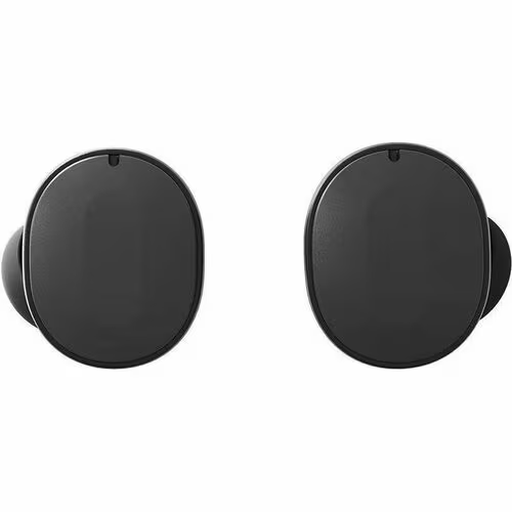 No image available
A wireless option to consider if your playback device supports Bluetooth.
The product description mentions Bluetooth 6.0, hybrid active noise cancellation and seven replaceable parts.
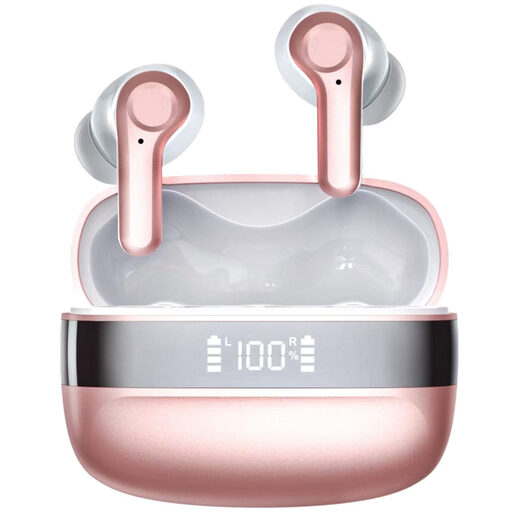 No image available
An option to consider if your playback device supports Bluetooth.
The product name lists a stated playback time of 6–8 hours, USB-C and a hands-free function.
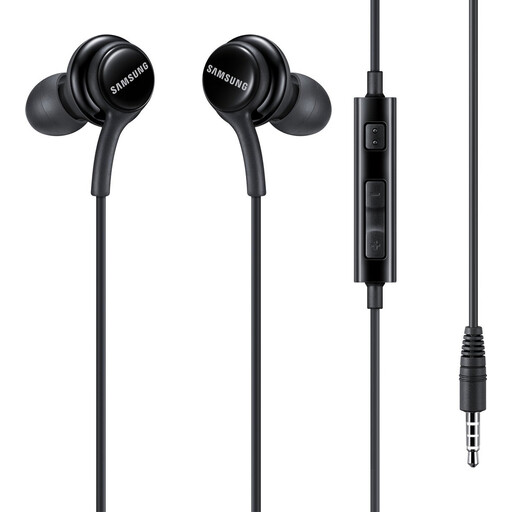 No image available
A wired option to consider if your device has a 3.5mm connection.
The product description mentions a 3.5mm mini-jack and an ergonomic fit; check that the connection is compatible with your device.
No. A stated isolation rating doesn’t prove how much noise reduction you’ll actually get. Fit, the sound of the drum kit, listening volume and listening time all matter. CDC/NIOSH warns that stated ratings don’t always reflect the protection an individual gets in practice. Don’t keep turning up the track to drown out background noise.
Follow the instructions for the exact model. For the SE215, Shure recommends an ear tip that seals well and warns against pushing it beyond the entrance to the ear canal. Follow the model-specific instructions for changing the ear tips and detaching the cable, too.
No, not always. The Dutch government says that many online purchases come with a 14-day cooling-off period. ACM ConsuWijzer lists some exceptions, including specially made-to-order products and certain hygiene products with opened packaging. Before buying, check which exceptions apply to your specific order.
For a model with a radio connection, the EU Radio Equipment Directive framework is relevant. The European Commission describes this directive as the regulatory framework for radio equipment; a wired model shouldn’t be treated as radio equipment just because of its shape. The directive doesn’t determine whether a model is suitable for your drum setup.