
Camper listening to grooves
Wants to replay a recorded rhythm without constantly turning up the volume to drown out background noise. A good seal is important; VeiligheidNL points out that well-fitting earphones let less sound escape.


Well-fitting in-ear headphones with a connector that matches your playback device are a sensible starting point for listening back to a drum groove. If you also want to hear yourself playing along, you’ll need a suitable monitoring setup too; the earphones alone won’t provide a monitor signal. Keep an eye on your volume and listening time: the WHO notes that both matter, and in-ear headphones don’t reduce the acoustic sound of your drums for other people. So be sure to check the campsite rules and any local noise regulations too.
Wants to replay a recorded rhythm without constantly turning up the volume to drown out background noise. A good seal is important; VeiligheidNL points out that well-fitting earphones let less sound escape.
Wants to hear both the recording and their own playing at the same time. This requires a suitable signal path as well as in-ear headphones; Shure describes the extra components a personal monitoring system may need.
Switches between playback devices and practice locations, so pays attention to the connector, fit and replaceable parts. Check which cable and tips are included with each model.
| What to consider | What to look for | Who is this important for? |
|---|---|---|
| Seal and volume | Try different-sized tips and check the seal at a modest volume. A noise-isolation claim doesn’t guarantee how well the earphones will seal in your ears. | If I want to listen back to a groove somewhere noisy without constantly turning up the volume, I prioritise fit. Around 33% of consumers put a good seal and manageable listening volume first. |
| Timing and your own playing | Check the entire signal path and the overall latency. Shure recommends 5 ms or less for in-ear applications. | Anyone who wants to hear both the recording and their own playing while playing along needs a usable monitor signal. Around 27% of consumers give timing and their own monitoring setup top priority. |
| Fit and maintenance | Check which tip sizes are available and whether the cable or other parts can be replaced; this varies by model. | If I want to practise regularly, I want my in-ear headphones to feel comfortable and relevant parts to be replaceable. Around 20% of consumers put comfort and maintenance first. |
| Connection and portability | Check the audio output on your source and whether you’ll only be playing recordings or also monitoring live. If you’re considering a wireless radio connection, also think about where you’ll use it and the frequency regulations. | Anyone wanting to use their set in different places with their own playback device will benefit from a suitable connection and a practical setup. Around 20% of consumers prioritise connectivity and portability. |
The seal depends on the fit, and even well-sealed in-ear headphones can be used at too high a volume.
Choose tips that fit and check the seal at a low volume. Keep an eye on listening volume and listening time separately.
Without a suitable signal path, you won’t automatically hear both the recording and your own playing.
Before you buy, work out how you’ll connect the recording and, if needed, your instrument to the in-ear headphones.
The monitoring setup you choose may also require a suitable source, adapter or extra monitoring equipment.
When you’re playing along, the latency of the whole signal chain matters. A radio IEM system also needs a suitable frequency at the location where you’ll use it.
Assess the entire signal path and, for radio IEM systems, check the relevant frequency regulations in the Netherlands.
A wireless system means extra components and power requirements.
The wired SE215 may suit anyone who values a choice of ear tips and a replaceable cable.
The wired IE 100 PRO is an option if you’re looking for a monitor with interchangeable tips.
The ER2SE is designed for anyone who wants to assess a recording’s sound without extra bass emphasis, according to the manufacturer’s description.
The MP-120 is another universal-style monitor, with a cable worn over the ear.
These product picks are aimed at listening to recorded grooves via USB-C, Bluetooth or 3.5 mm, depending on the model. They don’t automatically make up a complete setup for playing along live.
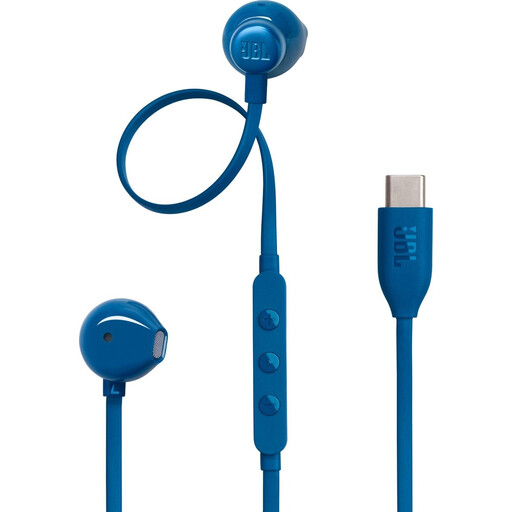 No image available
A wired option for playing recordings from a source that supports USB-C audio.
The product description lists 12.5 mm drivers, three EQ presets and a flat cable.
 No image available
A wired option for a USB-C source if you want to try different tip and fit sizes.
The product description lists three sizes of ear tips, two sizes of stability wings and an in-line control with microphone.
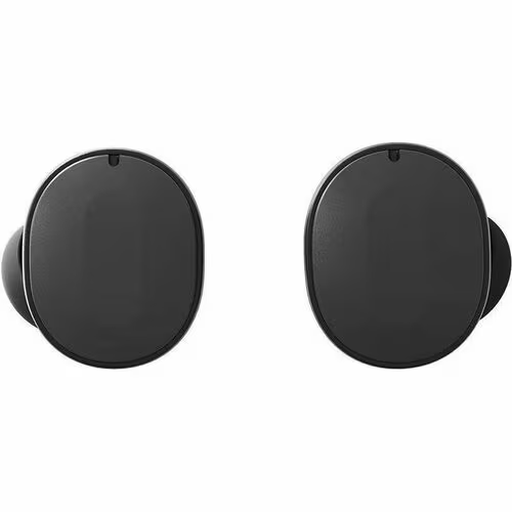 No image available
An option for playing recordings from a Bluetooth source; if you’re playing along live, the latency of the entire signal path matters too.
The product description lists seven replaceable parts, including the ear tips and batteries.
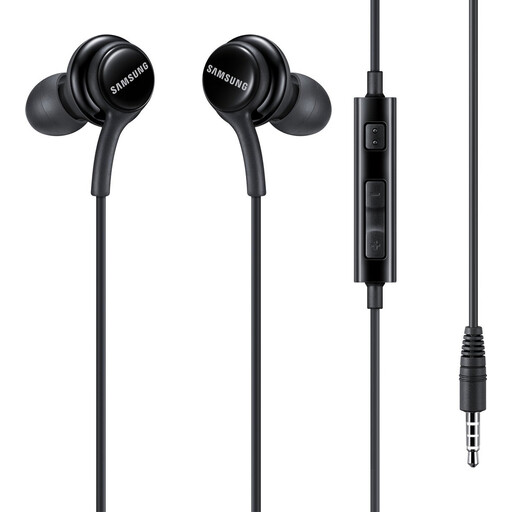 No image available
A wired option for playing recordings from a source with a 3.5mm connection.
The product description lists a 3.5mm mini-jack.
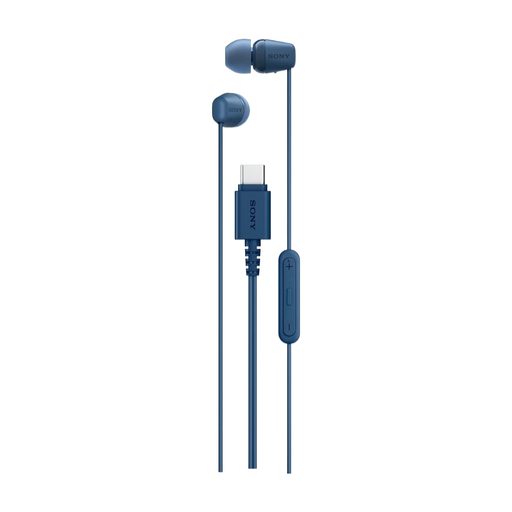 No image available
A wired option for listening to recordings from a source that supports USB-C audio.
The product description lists a 5 mm driver, a 1.2-metre cable and an in-built microphone and controls.
No. In-ear headphones only play the signal supplied by a connected source or monitoring system. Work out in advance how you’ll send the recording and, if needed, your own playing to that source; when listening back live, the latency of the whole chain matters.
Try suitable tips at a low volume. The Shure SE215 manual explains that a poor seal can reduce bass response and gives instructions for changing the tips and cleaning the nozzle. For other models, follow the relevant manual.
No. A good seal can help you keep the volume down, but the WHO says both sound level and listening duration matter. So even with isolating in-ear headphones, pay attention to your volume and listening time.
According to the Dutch Authority for Digital Infrastructure, a licence is usually not needed for this type of use, provided the system operates within the applicable conditions and permitted frequency bands. Check the frequency and location before using a specific radio system.
If you’ve used the product normally, you can contact the seller about your statutory guarantee. According to ACM ConsuWijzer, products in the Netherlands don’t all have a fixed guarantee period of exactly two years; what you can reasonably expect from the product is what matters.