
Listeners who share a room
If you want to follow choral music without continually turning up the volume, look for a good seal. It helps reduce background noise for you, but doesn’t guarantee that your roommate won’t hear anything.


Start with in-ear headphones that fit securely and feel comfortable for the length of time you plan to listen. Then choose a sound profile that lets you follow choral voices the way you like. Strong passive isolation doesn’t automatically mean your roommate won’t hear anything, and getting used to a snug fit can take time. Before ordering, also check your playback device’s connection and the returns policy.
If you want to follow choral music without continually turning up the volume, look for a good seal. It helps reduce background noise for you, but doesn’t guarantee that your roommate won’t hear anything.
If you want to follow individual voices, compare neutral and warmer sound profiles using recordings you know well. Your preference will also depend on the recording and on you as a listener.
If you listen for longer periods, pay particular attention to the shape of the housing and the ear tips available. A choice of tip sizes gives you options to try, but can’t guarantee a comfortable fit for you personally.
First decide which factor matters most to you: a good seal, following individual voices, comfort, or the connection and cable care.
A good fit if: noise in your shared room drowns out your listening and you’re looking for a relatively flat sound profile. Etymotic quotes 35–42 dB of passive attenuation for the ER2SE.
Bear in mind: you may need time to get used to the insertion depth and fit; the manufacturer’s figure doesn’t measure how much sound your roommate hears.
A good fit if: comfort and following individual voices matter to you. Sennheiser describes different tip materials for the IE 200, while Headphones.com notes that its housing is compact.
Bear in mind: Headphones.com notes cable noise and potential issues with some replacement cables for the IE 200 it reviewed.
A good fit if: you want to try different ear tips and a detachable cable is important to you. Shure lists foam and silicone tips for the SE215.
Bear in mind: Shure describes the SE215 as bass-rich; RTINGS.com compares its treble with the IE 200’s and finds it more restrained. Decide for yourself whether it suits your recordings.
A good fit if: you’re specifically looking for a model with this cable connector; Moondrop lists it for the Aria 2.
Bear in mind: a 0.78 mm two-pin cable isn’t interchangeable with an MMCX cable. The connector alone tells you nothing about fit, isolation or how you’ll find choral voices.
| What to consider | What should you check? | Who is this important for? |
|---|---|---|
| Seal and roommate | Check the included tip sizes and make sure the seal stays secure in both ears; keep the volume moderate. | If you want to reduce background noise without assuming your roommate won’t hear anything, a good fit matters most. Around 31% of consumers prioritise a good seal. |
| Individual choral voices | Compare the sound with choral recordings you know well and consider whether the voices are easy to follow to your liking. | If you want to assess voices and accompaniment in your own recordings, sound balance is key. Around 31% of consumers give the reproduction of choral voices top priority. |
| Comfort during longer sessions | Look at the shape of the housing and the sizes and materials of the ear tips available. | If you want to listen for longer without your in-ears becoming uncomfortable, personal fit is crucial. For around 25% of consumers, long-wearing comfort matters most. |
| Connection and cable care | Check your device’s output and the exact connector on the IEM and any replacement cable. | If device compatibility and suitable replacement parts come first, the connection and cable type are key. Around 13% of consumers give these factors top priority. |
Passive attenuation describes how well the headphones isolate you; that’s different from sound leaking out. A manufacturer’s rating doesn’t tell you how much sound someone sitting next to you will hear.
Check that the ear tips seal well for you and keep the listening volume moderate. The World Health Organization points out that sound level, listening time and frequency of exposure all matter.
A sound description doesn’t determine whether you’ll enjoy the voices and accompaniment in a particular recording. Ear tips and personal preference also play a part.
Compare the sound profile with choral recordings you know well, and check the returns policy before you buy.
The models mentioned use different connectors, such as MMCX and 0.78 mm two-pin. Even with the same connector type, a model’s design can limit your cable options.
Check both your playback device’s connection and the exact cable compatibility for your model.
The ER2SE is a wired option for anyone looking for a relatively flat sound profile and strong passive isolation; according to Etymotic, the ER2XR has a bassier tuning.
The IE 200 is a compact wired option with different tip materials to help you assess the fit and sound.
The SE215 is a close-fitting wired IEM for anyone who wants to compare different types of ear tips and a detachable cable.
The Aria 2 is a wired IEM worth comparing if you’re looking for a 0.78 mm two-pin connector.
The E3000 offers a different sound profile to compare with other wired IEMs.
This Joybuy selection includes wired in-ear headphones with USB-C or 3.5 mm connections; check which one is compatible with your playback device.
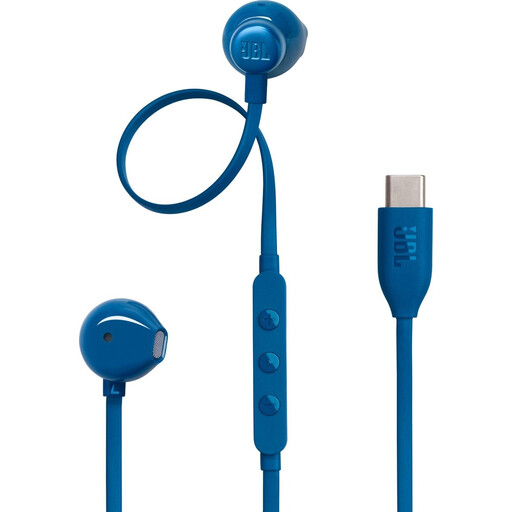 No image available
For anyone who wants to listen over a wired USB-C connection and try a vocal EQ preset.
Connection: USB-C. The product description also lists a microphone and in-line controls.
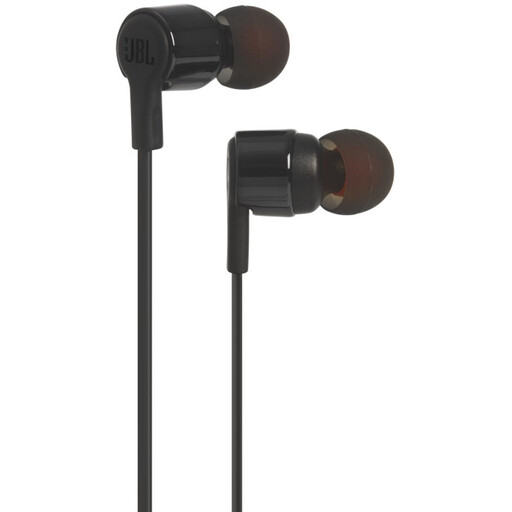 No image available
For anyone looking for wired in-ear headphones with a 3.5 mm connection and several sizes of ear tips.
Connection: 3.5 mm. The product description lists a microphone and different tip sizes.
 No image available
For anyone looking for wired USB-C in-ear headphones who wants to compare the available tip sizes and stability wings.
Connection: USB-C. The product description lists three sizes of ear tips and two sizes of stability wings.
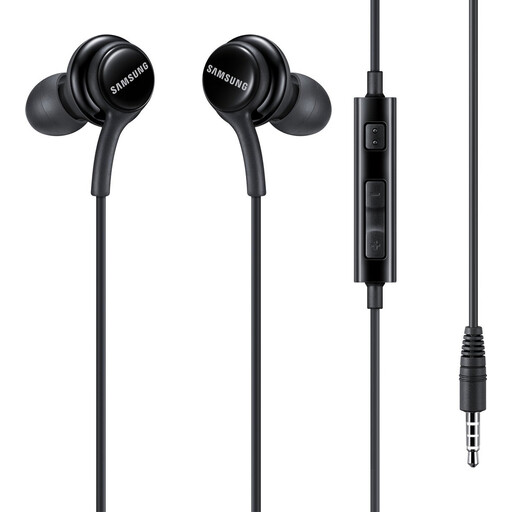 No image available
For anyone looking for wired in-ear headphones with a 3.5 mm connection and built-in microphone.
Connection: 3.5 mm mini-jack. The product description lists a microphone.
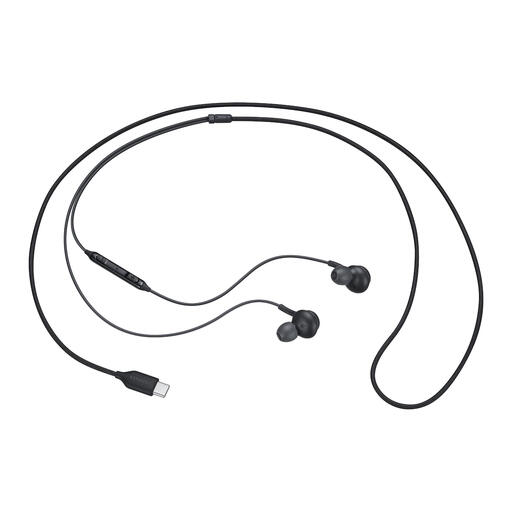 No image available
For anyone who wants to listen over a wired USB-C connection and try different sizes of ear tips.
Connection: USB-C. The product description lists a built-in DAC, two-way speakers and different sizes of ear tips.
No. Etymotic’s stated passive attenuation refers to isolation for the wearer; it doesn’t prove how much sound someone sitting next to you will hear. A good personal seal and moderate volume are separate considerations.
According to the World Health Organization, risks are linked to sound level, listening time and how often you’re exposed to loud sounds. The WHO gives 80 dB for up to 40 hours a week as an example; it isn’t a set volume percentage for your phone.
No. According to Sennheiser, the IE 200 uses MMCX, while Moondrop lists a 0.78 mm two-pin connector for the Aria 2. Also check whether a replacement cable fits each model; Headphones.com notes a potential issue with the MMCX design on the IE 200.
According to the Dutch government, you should contact the seller to resolve an issue with a faulty product, not just the manufacturer. The legal guarantee is separate from any manufacturer’s warranty.
Don’t assume that you can. ACM ConsuWijzer says that online purchases usually come with a statutory 14-day cooling-off period, but notes an exception for hygiene products that have been removed from their packaging. Before opening the product, check the seller’s information about the specific in-ear headphones and their packaging.