What should you look for when choosing?
Start with what matters most to you during the working day: less distracting noise, a particular sound balance, comfortable wear or staying reachable. Then check the fit and connection of the exact model.
| What to consider |
What should you check? |
Who is it important to? |
| Isolation |
Check that the supplied ear tips create a good seal and feel comfortable. Don’t assume a stated noise-reduction figure will be the result you get in your workplace. |
If I want to reduce office noise without listening at a higher volume, I’ll look for a good fit first. Around 36% of consumers say isolation is their main buying priority. |
| Sound balance |
Compare the tuning of the exact model with a familiar recording at a similar listening volume. |
If I mainly want to assess the balance between strings and lower-pitched instruments, I’ll compare a neutral tuning with a fuller bass sound. Around 29% of consumers give sound balance top priority. |
| Comfort |
Check which ear tip sizes and materials are included, and whether replacement tips are available for the version you’ve chosen. |
If I listen during longer work sessions, I want the tips to stay comfortable and be easy to maintain. Around 21% of consumers put comfort and maintenance first. |
| Staying reachable and connectivity |
Check the connection on the exact model and whether your playback device has the right port. Also look at the controls for pausing playback or hearing ambient sound. |
If I often need to respond to colleagues, I’ll consider how reachable I’ll be and whether the connection is suitable before choosing strong isolation. Around 14% of consumers say staying reachable and connectivity are their main considerations. |
Joybuy products
These products include wired USB-C options and wireless in-ear headphones with noise-cancelling or ambient sound features to compare for listening in the office. Check each model’s connection and controls to make sure they suit your working day.
 No image available
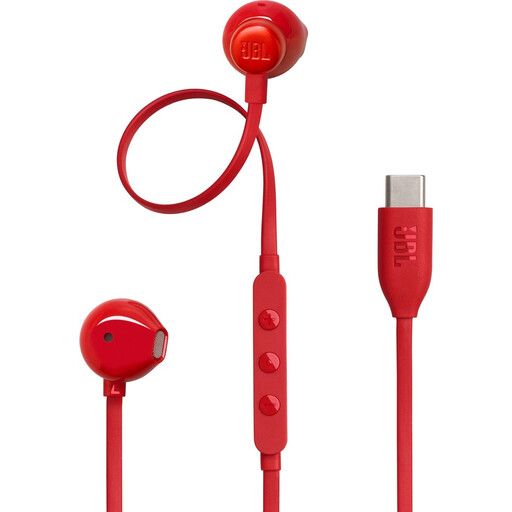
JBL Tune 305C wired USB-C earbuds, red
A wired option if you use a USB-C source and want to adjust the sound setting using the in-line controls.
USB-C connection; in-line controls with standard, bass and vocal EQ presets; built-in microphone.
Joybuy
 No image available
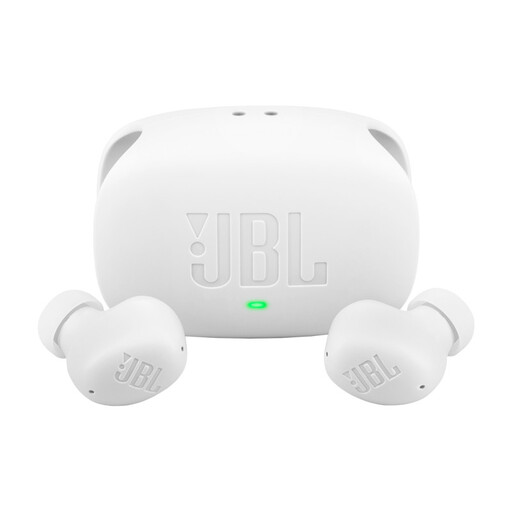
JBL Wave Buds 2, white
An option to compare if you want to listen wirelessly and control the balance between music and ambient sound.
Active noise cancelling and Smart Ambient; customisable EQ via an app; connects to two Bluetooth devices.
Joybuy
 No image available
Acer OHR548 wireless in-ear headphones
A wireless option if you don’t want a wired connection. Check that the controls suit the way you listen in the office.
Bluetooth 5.4; touch controls; charging case with Type-C connection.
Joybuy
 No image available
Samsung Galaxy Buds4 Pro True Wireless, black
An option to compare if you want wireless listening and value noise cancelling or adjustable sound settings.
True wireless; active noise cancelling; adjustable 9-band equaliser; touch controls.
Joybuy
 No image available
Bose Noise Cancelling Wired Earbuds, black
A wired option to compare if you want noise cancelling and your device has a compatible USB-C connection.
USB-C connection; in-line controls and microphone; multiple sizes of ear tips and stability wings.
Joybuy
Frequently asked questions
Should you choose the highest noise-reduction rating for listening to chamber music in the office?
No. Start with an ear tip that creates a good seal and stays comfortable. VeiligheidNL says a good seal can help you avoid turning up the volume; a stated noise-reduction figure doesn’t tell you how the in-ear headphones will fit your ears.
How can you check the fit and look after your earphones?
Try the supplied sizes carefully and follow the instructions for the exact model. The Shure SE215 manual notes that a poor seal can reduce bass, and explains how to replace the sleeves and carefully disconnect the cable.
Which connection and other buying considerations should you check?
Check that your device is compatible with the model’s connection, and find out how much suitable replacement ear tips, a cable or, if needed, an adapter will cost. For online purchases from a business in the Netherlands, you generally have a 14-day cooling-off period. Check the terms and any applicable exceptions before breaking a seal.
Are regular music IEMs mandatory or sufficient as hearing protection at work?
No. Don’t assume that based on a manufacturer’s claim about music IEMs. According to the Dutch Working Conditions Portal, an employer must make hearing protection available when daily exposure exceeds 80 dB(A); above 85 dB(A), employees must wear hearing protection. Whether this level of exposure occurs in your workplace, and what protection is suitable, requires an assessment specific to your workplace. These thresholds are not general guidelines for a busy office.


