
Anyone working out a solo by ear
You want to replay short guitar phrases and keep track of the pitch. A good seal and playback software that preserves pitch when slowing down can help. Audacity describes its Change Tempo feature for this purpose.


Fit and a good seal should be your main priorities. They can help you hear the recording more clearly, without constantly turning up the volume to overcome the noise of the bus. A wired IEM is a good choice if you have a suitable connection and don’t want to charge your earphones. True wireless earbuds with ANC suit you if you want to listen without a cable and let in ambient sound when needed, but they do need to be charged. Etymotic describes the ER2SE as having a flat tuning, but the available product specifications don’t prove that any particular model will make a guitar solo easier to pick out.
You want to replay short guitar phrases and keep track of the pitch. A good seal and playback software that preserves pitch when slowing down can help. Audacity describes its Change Tempo feature for this purpose.
You want to hear the recording without constantly turning up the volume, while still being able to listen out for a stop or announcement. The World Health Organization points out that both sound level and listening time matter.
You’re weighing up comfort during the journey, the connection for a wired pair and charging wireless earbuds. The right choice also depends on your playback device and how the earbuds fit.
A good fit if: your device has a suitable connection and you want to replay sections without charging your earphones.
Bear in mind: the cable and connection need to be practical on the go, and the actual level of isolation also depends on the fit.
A good fit if: you want to listen without a cable and be able to use an ambient sound mode.
Bear in mind: the earbuds need to be charged, and ANC won’t fix a poor fit.
| What to consider | What to look for when buying | Who should consider this? |
|---|---|---|
| Phrases and pitch | Compare the tuning of the exact model. For slower playback, choose a feature that preserves pitch; Audacity distinguishes between Change Tempo and Change Speed and Pitch. | If I want to replay short sections and keep track of the pitch being played, I’ll look at the tuning and playback feature. Around 36% of consumers put recognising phrases and pitch top of their list. |
| Bus noise and listening volume | Compare the supplied eartips and check the seal. If you choose ANC, look for a model with an ambient sound mode if you want to use it from time to time. | If you want to hear quiet passages on a noisy bus without constantly turning up the volume, focus on the seal or ANC. Around 29% of consumers prioritise noise reduction and low listening volume. |
| Fit during the journey | Check the sizes and materials of the supplied eartips and follow the fitting instructions. Comfort and seal vary from person to person. | If I want to wear the earbuds for longer periods, I want to be able to try different sizes that fit without forcing an uncomfortable tip into place. Around 21% of consumers prioritise wearing comfort. |
| Connection and charging | Check the connection on your playback device and whether you’ll need an adaptor. For wireless models, look at battery life under the conditions that matter to you. | If you don’t want to end up with the wrong plug or a flat battery on the go, check the connection and charging requirements beforehand. Around 14% of consumers put connection or charging convenience first. |
A manufacturer’s figure applies to a specific model and doesn’t tell you how much noise will be reduced in your ears or during your journey. A poor seal can also affect the sound.
Compare the supplied eartips and check the fit, rather than basing your choice on a single noise-reduction figure.
A wireless system for stage use may need separate transmitter and receiver components. That’s different from connecting in-ear headphones to a recording you already have.
Check whether you’re looking for earbuds to use with your own playback device or a complete monitoring system. A stage system may mean extra equipment to carry and set up.
The wired models reviewed have a 3.5mm plug at the source end, but not every playback device has a suitable connection.
Check your device’s output and, if necessary, the adaptor you’ll need. If you’re buying a replacement cable, check which connector your specific model takes.
The ER2SE is a wired option to compare if you’re looking for a flat tuning.
The SE215 is a wired monitor with interchangeable eartips and a detachable cable.
The ATH-E40 is a wired alternative supplied with silicone eartips in four sizes and a detachable cable.
The IE 200 is a wired option to compare if you want to assess the balanced sound described by the manufacturer.
The WF-1000XM5 is a true wireless option with ANC and an ambient sound mode.
These picks are true wireless in-ear headphones with ANC, for anyone who wants to listen without a cable on a bus journey and may want to let in ambient sound.
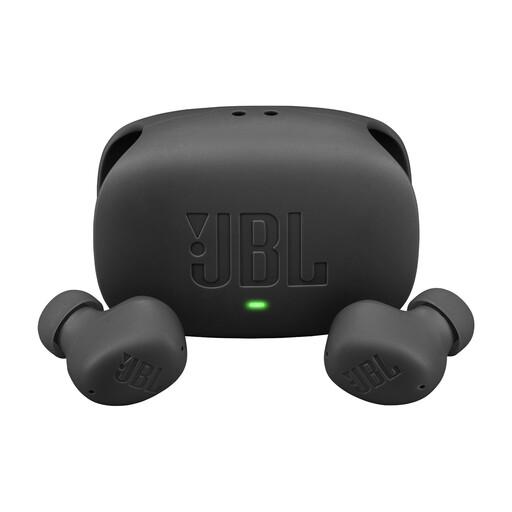 No image available
These true wireless in-ear headphones are an option for listening on the go; the product information lists ANC and Smart Ambient.
 No image available
These true wireless in-ear headphones are an option if you want to use ANC and adjust the sound while listening; the product information lists a 9-band equaliser.
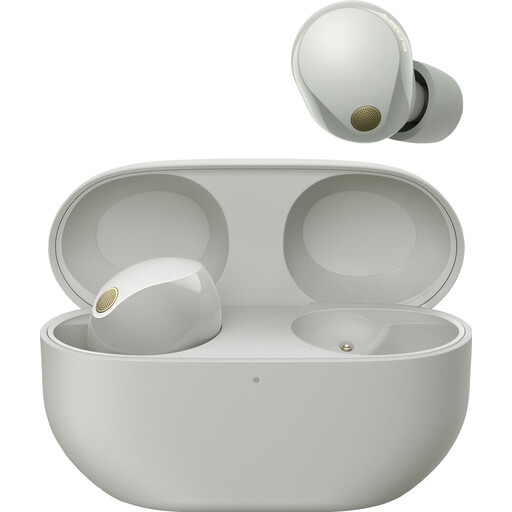 No image available
These true wireless in-ear headphones are an option if you want ANC and an ambient sound mode; the manufacturer states that you can play music for up to 8 hours with ANC switched on.
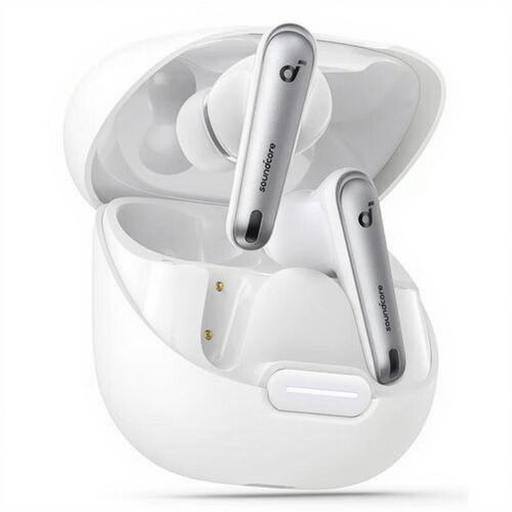 No image available
These wireless in-ear headphones are an option if you want to use ANC while listening on the go.
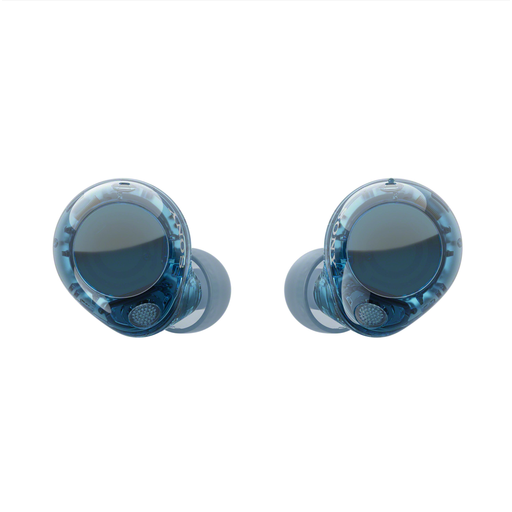 No image available
These true wireless in-ear headphones are an option for listening on the go; the product information lists ANC and an ambient sound mode.
Yes, with a feature that changes the tempo without adjusting the pitch. According to the Audacity manual, Change Tempo does this; Change Speed and Pitch also changes the pitch. Slowing the audio down a lot can also cause audible distortion.
Try the supplied sizes and follow the fitting instructions. Shure explains that the fit can affect the sound; Sony describes a fit check for the WF-1000XM5 in the companion app. Don’t force an eartip that feels uncomfortable.
First, check the fit and noise reduction rather than continually turning up the volume, and take listening breaks. The World Health Organization points out that both sound level and exposure time matter; guidelines don’t guarantee a safe volume setting on your device.
When you buy as a consumer, the product must conform to the contract. The Dutch government explains that there’s no fixed statutory guarantee period for all products in the Netherlands and that you should contact the seller if something is faulty. Any manufacturer’s guarantee is in addition to this.
For online purchases from a professional seller, you’ll often have a 14-day cooling-off period, but don’t assume you have an unconditional right to return every opened product. Before breaking any seal, check which terms and legal exceptions apply to your specific purchase.
The Dutch government guidance mentioned about devices and music on the road is for drivers, not passengers on a coach. So don’t rely on it as a rule for passengers; pay attention to announcements and instructions from the bus staff during your journey.