Start with in-ear headphones that fit securely and match your playback device’s connection: a poor seal can make the bass harder to hear. Then choose a more neutral-sounding model if you want to assess the bassline without deliberately boosting the bass, or a model with more emphasis on the low end if the bass notes in your recording are difficult to follow. None of these features alone guarantees an accurate transcription.
Who is this relevant for?
Picking out bass notes
You want to hear individual notes and how they develop in an existing recording. So, look beyond how much bass a pair of in-ear headphones produces. Consider the tonal balance and how well they seal, too. Etymotic describes the ER2SE as having a flat response, while Shure explains in its guide that a poor seal can reduce low frequencies.
Listening at a noisy campsite
You want to follow the recording without continually turning up the volume. A well-fitting ear tip and safe listening habits are important here. The World Health Organization points out that both volume and listening time contribute to exposure to loud sound.
Analysing music on a mobile device
You listen on a phone, tablet or laptop and want to know whether the connection is compatible. Also check whether the cable and ear tips are replaceable, and which specific parts you’ll need.
What should you look for when buying?
A more neutral sound
Choose this if: you want to assess the bassline without deliberately boosting the bass. Etymotic describes the ER2SE as having a flat response.
The trade-off: a more neutral sound won’t add emphasis to the bass; first check that the ear tips seal properly.
More emphasis on the low end
Choose this if: the low notes in your recording are difficult to follow. Etymotic describes the ER2XR as the bassier version of the ER2SE; the Sennheiser IE 200 has two ear tip positions that change the bass response.
The trade-off: a different bass response changes the tonal balance, but it doesn’t prove that you’ll transcribe the notes more accurately.
Fit and replaceable parts
Choose this if: fit options or a detachable cable matter to you. The Shure SE215, Audio-Technica ATH-E40 and Mackie MP-120 each have a detachable cable.
The trade-off: cable connectors vary by model; the ATH-E40, for example, uses A2DC. So check which replacement part is compatible with your model.
| What to consider |
What should you check? |
Who is it for? |
| Tonal balance |
Compare a more neutral and a bassier sound using the same well-sealing fit. If needed, use slowed playback or spectral analysis to examine tricky passages more closely. |
If I want to distinguish notes in a recording without using extra bass emphasis as a guide, I look for a suitable tonal balance. Around 36% of consumers put tonal balance first. |
| Seal and background noise |
Try the supplied ear tips and assess the bass only once they seal properly. Don’t automatically turn up the volume when the campsite is noisy. |
When I listen to a recording outdoors, I want to follow it without continually turning up the volume. Around 29% of consumers prioritise the seal and background noise. |
| Connection |
Check which audio output your phone, tablet or laptop has and whether you need a compatible connector or adapter. |
When I’m listening on the go, I want to know in advance whether the in-ear headphones will work with my playback device. Around 21% of consumers focus first on device compatibility. |
| Cable and ear tips |
Check the connector on any replacement cable and which tips are compatible with the model. Keep your in-ear headphones and tips clean and dry, following the instructions for the specific product. |
When I use my in-ear headphones outdoors, I want to know whether I can replace worn tips or a damaged cable with compatible parts. Around 14% of consumers prioritise care and replaceability. |
Common pitfalls
-
Confusing more bass with more accurate transcription
An extra boost to the bass can change the tonal balance, but it doesn’t prove that you’ll hear more bass notes correctly. A poor seal can also reduce low frequencies.
First, choose ear tips that seal properly. Then try familiar recordings and see whether you can follow the notes and their attacks. Don’t treat a sound description as a guarantee of an accurate transcription.
-
Assuming every detachable cable will fit
A cable can be detachable without being interchangeable with cables for other models. The Audio-Technica ATH-E40, for example, uses an A2DC connector.
Check the connector for the exact model and make sure it works with your playback device’s output.
Brands to compare
Etymotic
The ER2SE and ER2XR show how a more neutral sound differs from a model with greater emphasis on the low end.
- Etymotic describes the ER2SE as having a flat response and the ER2XR as bassier. For the ER2XR, the manufacturer states that it has 1–2 dB more mid-bass and 3–4 dB more sub-bass than the ER2SE.
- These manufacturer descriptions don’t prove that either model will help you transcribe more accurately. The stated passive isolation also doesn’t guarantee a suitable or comfortable seal for every user.
Shure
The SE215 is a wired option with interchangeable tips and a detachable cable.
- Shure explains in its guide that a lack of low frequencies may indicate that an ear tip isn’t sealing properly.
- In its review of the SE215, SoundGuys notes strong isolation, but also points out that higher frequencies are less prominent. This applies to the SE215, not the whole brand.
Audio-Technica
According to Audio-Technica, the ATH-E40 has a detachable cable with a 3.5 mm plug.
- Audio-Technica lists four sizes of silicone ear tips and describes the sound as powerful in the bass, with balanced mid and high frequencies.
- This sound description is a manufacturer’s claim, not an independent comparison measurement. For a replacement cable, look for the A2DC connector.
Sennheiser
According to Sennheiser, the IE 200 has two ear tip positions that change the bass response.
- Sennheiser lists a detachable cable with an MMCX connector and a 3.5 mm plug, plus foam and silicone tips.
- The manufacturer describes the sound as neutral and precise. Try the different tip positions and find the fit that works for your recording.
Mackie
The MP-120 comes with several types of tips and a detachable cable.
- Mackie lists foam, silicone and double-flange tips in three sizes.
- Mackie’s stated isolation of up to 40 dB isn’t a personal measurement and doesn’t tell you how well the tips will seal in your ears.
Products at Joybuy
Joybuy product picks for listening to a recorded bassline, including both wired and wireless in-ear headphones. Check each model to make sure its connection and how it works suit your playback device and situation.
 Image unavailable
Samsung Galaxy Buds4 Pro True Wireless, black
A wireless option if you prefer to listen without a cable; according to the product information, wireless use requires Bluetooth and charging.
The product name lists active noise cancellation.
View at Joybuy
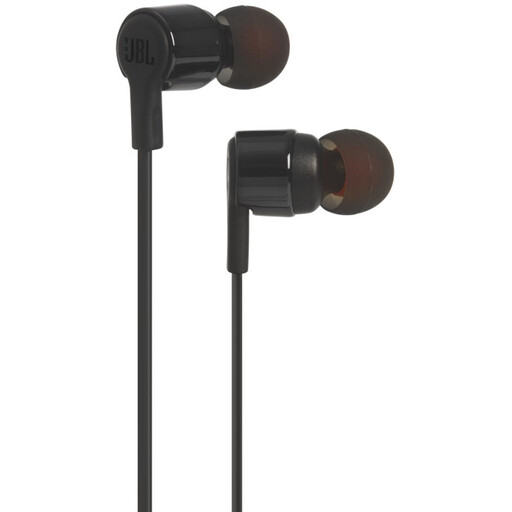 Image unavailable
JBL Tune 210, wired, 3.5 mm
A wired option if your device has a compatible 3.5 mm headphone socket.
The product name lists a microphone and Pure Bass Sound; this isn’t proof of more accurate bass transcription.
View at Joybuy
 Image unavailable
Bose Noise Cancelling Wired Earbuds, black
A wired option if you want to reduce background noise; check that the connection is compatible with your playback device.
The product name lists noise cancellation.
View at Joybuy
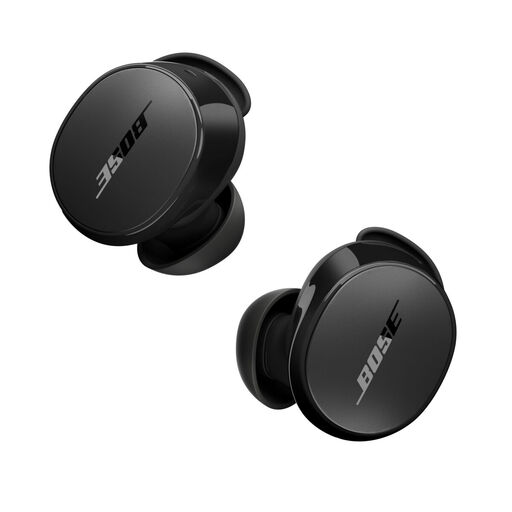 Image unavailable
Bose QuietComfort Earbuds, black
A wireless option; check that Bluetooth is compatible with your playback device and remember that you’ll need to charge them.
View at Joybuy
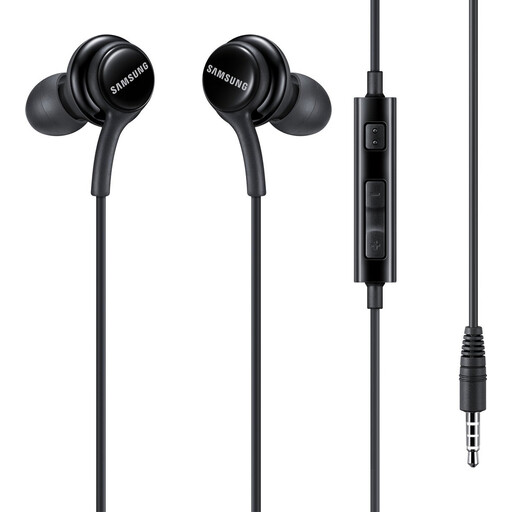 Image unavailable
Samsung EO-IA500, wired, 3.5 mm
A wired option if your device has a compatible 3.5 mm connection.
The product name and product information mention an emphasis on deep bass; check that this tonal balance suits the way you want to assess the recording.
View at Joybuy
Frequently asked questions
Should I look for lots of bass to transcribe a bassline?
No. Extra bass isn’t proof of more accurate transcription. Etymotic describes the ER2SE as having a flat response and the ER2XR as bassier; Shure explains that a leaking tip can actually reduce low frequencies. For tricky passages, you can listen at a slower speed or use a spectrogram, but that doesn’t mean one pair of in-ear headphones can guarantee you’ll identify the notes correctly.
How can I avoid listening too loudly at a campsite?
First, try to get a good fit rather than continually turning up the volume. The World Health Organization identifies both listening volume and exposure time as factors in loud sound exposure. So take breaks and keep the volume low, too.
What should I check when buying a replacement cable?
Check whether the cable for your exact model is detachable and which connector it needs. The Audio-Technica ATH-E40, for example, uses A2DC; a cable with a different type of connection won’t necessarily fit.
How can I keep the tips in good condition while camping?
Follow the instructions for the specific tips, and keep your in-ear headphones and tips clean and dry. In its guide to ear tips, Shure recommends cleaning them with a clean, soft cloth. Follow the instructions for removing and refitting them, too, taking the material of your tips into account.
Can I always return in-ear headphones bought online after trying them on?
No, don’t assume that you can. ACM ConsuWijzer says that online purchases generally come with a 14-day cooling-off period after delivery, and outlines exceptions for certain hygiene products that have been removed from their packaging. Whether a particular package and action fall under such an exception depends on the circumstances; check the seller’s information before breaking any seal.


