
Critical orchestral listener
You want to assess the tonal balance and subtle differences between recordings under the same listening conditions. The sound profile and a consistent fit matter more than extra features.


To compare orchestral recordings, choose in-ear earphones with a sound profile suited to what you want to assess and ear tips that form a secure seal in both ears. Compare at the same volume and with the same settings. Wired models offer different sound profiles without needing to be charged; wireless ANC earbuds may be more practical if freedom of movement and changing background noise matter more. A stated noise-isolation rating doesn’t guarantee silence, comfort or a particular sound in your ears.
You want to assess the tonal balance and subtle differences between recordings under the same listening conditions. The sound profile and a consistent fit matter more than extra features.
You want to listen to music while someone else in the bedroom is talking, relaxing or sleeping. Consider the seal, wearing comfort and keeping the volume under control, but don’t treat noise-isolation claims as a guarantee.
You want to switch between playback devices or listening spots, and weigh up the convenience of a cable, replaceable parts and wireless features.
First decide which sound you want to assess. Then check the seal and fit, followed by whether the connection and controls suit where you listen.
| What to consider | What should you check? | Who is this most important for? |
|---|---|---|
| Tonal balance | Etymotic describes the ER2SE as having a flat sound profile and the ER2XR as a version with extra bass. Sennheiser says the IE 200 has two ear-tip positions that change the tonal balance. Keep the settings the same while comparing. | If I want to assess differences between orchestral recordings, I want to avoid another sound profile masking those differences. Around 31% of consumers put comparing sound first. |
| Seal in the bedroom | Try different ear-tip sizes and check that you can still hear enough of what’s happening in the room. Etymotic and Shure describe passive noise isolation; the fit still matters. | If my roommate is relaxing or talking, I want to manage background noise without constantly turning up the music. Around 31% of consumers put peace and quiet in a shared room first. |
| Fit | Try the ear tips individually in both ears. Shure explains that a poor seal can change the bass response. | If I listen for long periods, I want ear tips that stay in place without becoming uncomfortable. Around 25% of consumers put long-term wearing comfort first. |
| Connection and maintenance | Check the connection on your source device and the exact model. Shure lists MMCX for the SE215; MOONDROP lists 0,78mm-2pin for the CHU II. | If I switch between devices or want to be able to replace parts, I want to know which connection and features suit the way I use them. Around 13% of consumers put connectivity, maintenance and ease of use first. |
Manufacturers publish noise-isolation ratings, but an ear tip that doesn’t seal well or feels uncomfortable can affect your experience and the bass response. A stated rating can’t predict how much noise you’ll hear in your own bedroom.
Assess different ear tips in each ear, and don’t compare manufacturers’ ratings as if they measured your personal noise isolation.
A different ear-tip position or EQ setting can change the tonal balance even when the recording stays the same.
Use the same ear tips, position, EQ and volume for both recordings.
ACM ConsuWijzer notes an exception to the cooling-off period for certain hygiene products that have been removed from their packaging. Whether this exception applies to a specific purchase depends on the product and the circumstances.
Read the seller’s terms before opening the packaging, and ask how you can assess the fit if you’re unsure. Your statutory rights if a product is faulty are separate from the cooling-off period.
The wired ER2SE and ER2XR let you choose between a sound profile Etymotic describes as flat and a version with extra bass.
The wired IE 200 may suit you if you want to vary the tonal balance by changing the position of the supplied ear tips.
The wired SE215 is an option if a choice of ear tips and a detachable MMCX cable matter to you.
The wired CHU II is worth considering if you want to look at a 3,5mm plug, a 0,78mm-2pin cable connection and replaceable acoustic filters.
The wireless WF-C710N represents the ANC option for listeners who value flexibility and adjustable background noise.
This selection includes wired and wireless in-ear earphones. Use the listed connections and fit information to see whether a model suits your listening set-up.
 No image available
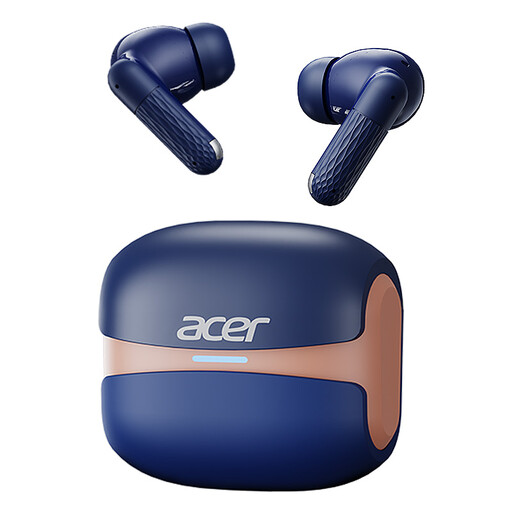
A wireless option if you don’t want to use a cable while listening; check that the connection and controls work with your playback device.
The product title lists Bluetooth 5.4 and a Type-C charging case.
 No image available
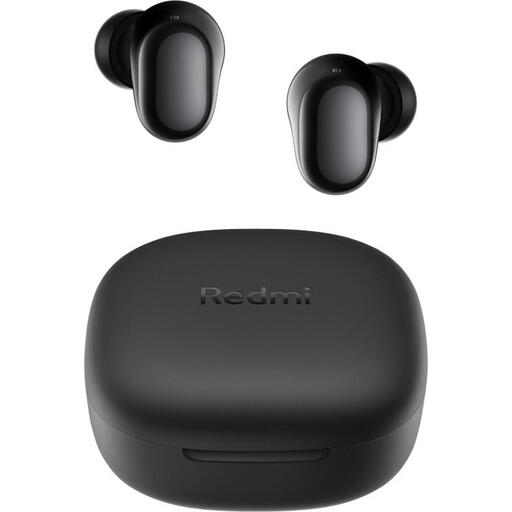
An option if you want to try different ear-tip sizes to assess the fit.
The product description lists additional S and L ear tips, Bluetooth 5.4 and 7,5 hours of playback per charge.
 No image available
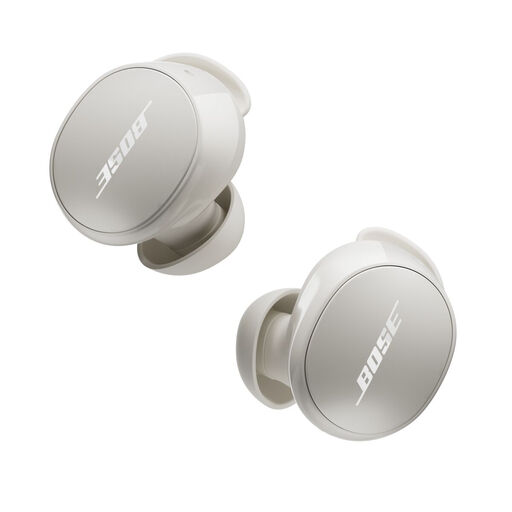
A wireless option if you want to switch between ambient sound settings while listening.
The product description lists Quiet and Aware modes and Bluetooth multipoint.
 No image available
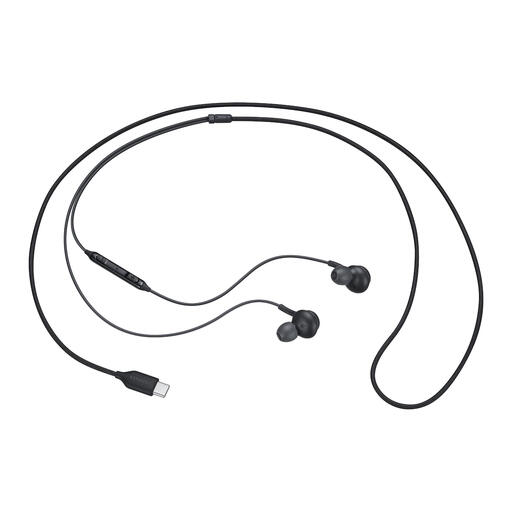
A wired option if your playback device has a compatible USB Type-C connection.
The product description lists different sizes of ear tips and a built-in DAC.
 No image available
A wired option if you don’t want to use a wireless connection; check that the connection works with your playback device.
No, ANC isn’t essential for comparing orchestral recordings. A well-fitting in-ear tip seals the ear canal; ANC is an additional way to manage background noise, and it doesn’t work equally well on every type of sound. Choose based on the seal, fit and the sound you want to assess.
Try the supplied ear-tip sizes individually in both ears and check that the seal and bass remain consistent. If the bass sounds weak, Shure recommends checking the seal first and trying another ear tip. Don’t push an ear tip past the opening of the ear canal.
Keep the volume low and take breaks. The World Health Organization gives an average of 80 dB for up to 40 hours per week as an example of safe listening; this isn’t a required volume target or a guarantee for everyone. A good fit can help you avoid turning up the volume to drown out background noise.
No, not necessarily. According to ACM ConsuWijzer, online purchases generally have a 14-day cooling-off period after delivery, but certain hygiene products may be exempt once removed from their packaging. Before opening the packaging, check with the seller whether the exemption applies to your specific purchase. Your statutory rights if a product is faulty are separate from the cooling-off period.
Wireless equipment is covered by the EU framework for radio equipment, which includes requirements for safety, electromagnetic compatibility and the efficient use of the radio spectrum. The European Commission states that the manufacturer is responsible for meeting the applicable requirements and for CE marking. A CE mark isn’t an independent assessment of sound quality; check the product information for the model on offer.