
Critical recording comparer
You want to assess differences in balance and detail between orchestral recordings. Consistent tuning and a good seal can help.


Start with earphones that create a good seal in your ears and offer a tonal balance that lets you assess differences between orchestral recordings. A reference tuning may suit critical comparisons; extra bass or a different fit may be more comfortable for relaxed listening. Manufacturer specifications cannot predict exactly how a model will sound in your ears or at your office.
You want to assess differences in balance and detail between orchestral recordings. Consistent tuning and a good seal can help.
Conversations and other background noise can disrupt your comparisons. You’ll want to know that the tips create a good seal without needing to turn up the volume.
You listen to several recordings in a row and want to be able to try different fits, with parts you can replace if needed.
First, check that the tips fit well in both ears and that you can still hear important cues at work. Then compare the tonal balance, wearing comfort and any parts you may want to replace.
| What to consider | What to look for when buying | Who should prioritise this? |
|---|---|---|
| Consistent tonal balance | Use the same source and volume level, and keep the tips in the same position when comparing recordings. | If you want to assess differences between orchestral recordings, look for a stable tonal balance; around 36% of consumers put this first. |
| Blocking out office noise | Check that the tips seal in both ears and that you can still hear important cues at work. | In a noisy workplace, you may want to reduce distractions without turning up the volume; around 29% of consumers prioritise blocking out office noise. |
| Comfort when listening to several recordings | Check which sizes and types of tips are included, and assess the fit during the listening session you plan to use them for. | If you listen to several recordings in a row, the fit needs to stay comfortable; around 21% of consumers prioritise long-lasting comfort. |
| Replaceable parts and connections | Check the cable connector, the plug for your playback device and which parts can be replaced on the exact model. | If you want to be able to replace a cable or connection later, check this before buying; around 14% of consumers prioritise maintenance and connectivity. |
The attenuation figure quoted by Etymotic depends on the tips used and how deeply they are inserted. Shure gives a maximum figure, but that does not automatically mean the earphones will seal as well in your ears.
Assess the fit in each ear and make sure you can still hear important cues at work.
Etymotic describes a difference in bass between the ER4SR and ER4XR. Sennheiser also says that the tip position changes the tonal balance of the IE 200.
Keep the model, tips, tip position and playback level the same when comparing.
ACM ConsuWijzer notes an exception to the cooling-off period for hygiene products that have been removed from their packaging. Whether this exception applies to a particular pair and its packaging can vary by model.
Before buying, ask the seller which returns conditions apply to the product and its packaging.
Etymotic describes the ER4SR as having reference tuning; the ER4XR is for those who want more bass within the same ER4 family.
According to Shure, the SE425 combines two drivers, a choice of sleeves and a detachable cable.
Sennheiser describes the IE 200 as a compact design with two positions for the included tips.
The wired IER-M500 is a stage-focused monitor with sound-isolating earpieces.
These Joybuy products are wireless in-ear options for listening in a noisy office. Check each version to make sure its described features and fit suit your workplace and how you make comparisons.
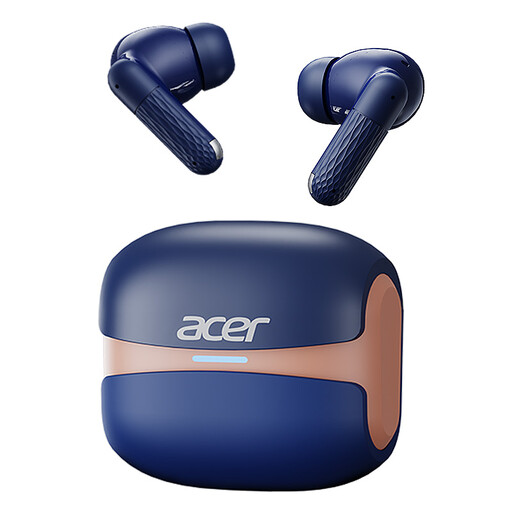 Image unavailable
The product name positions these in-ear earphones for wireless listening and mentions noise reduction for calls; this does not indicate a fixed level of office-noise attenuation.
The product name specifies Bluetooth 5.4 and a Type-C charging case.
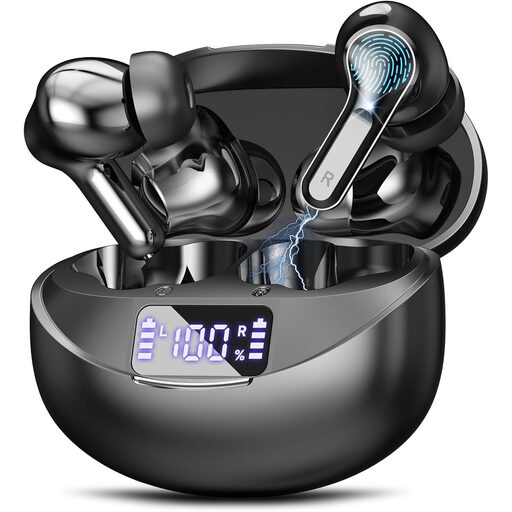 Image unavailable
The product title mentions noise reduction and positions these in-ear earphones for listening amid background noise; check that the fit and features suit your working environment.
The product title specifies Bluetooth, 50h Playtime, 6 ENC Microphones and an LED Indicator.
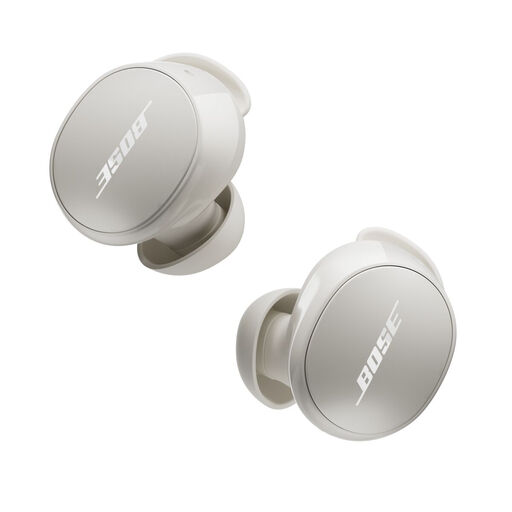 Image unavailable
This option is included for those who want to take background noise into account when listening at the office. Check which listening modes and fit suit the way you plan to use this version.
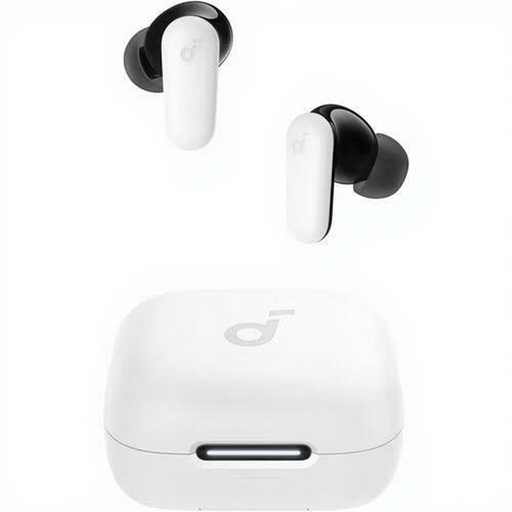 Image unavailable
This in-ear headset is included for those who want to listen to music wirelessly and make calls. Check that the version and playtime suit the length of your sessions.
The product name specifies USB Type-C and Bluetooth.
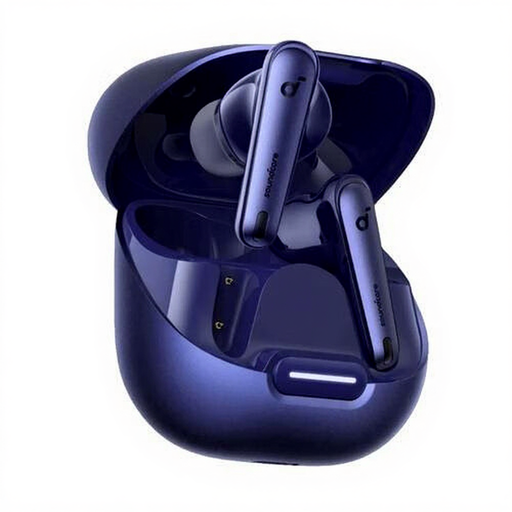 Image unavailable
This version is included for those who want to reduce background noise while listening at the office. The product title mentions adaptive noise cancellation, but this alone does not show how well the earphones will seal in your ears.
The product title specifies Bluetooth 5.3, wireless charging and 50-hour battery life.
No. A maximum attenuation figure does not guarantee that the earphones will perform the same way in your ears. Etymotic links its quoted attenuation to the tips and insertion depth; Shure gives a maximum figure. Check the fit and stay alert to important cues at work, rather than turning up the volume to drown out noise.
Use the same in-ear earphones and tip position, make sure the seal is consistent and keep the playback level the same. This is a practical way to limit the influence of differences in tuning and tip position, not a test result for these models.
Start at a low volume. Before inserting the Shure SE425, check that the sleeve is firmly attached to the nozzle. Follow the manufacturer’s care and maintenance instructions; Shure warns that incorrect care increases the risk of a sleeve coming loose.
Not always. ACM ConsuWijzer states that online consumer purchases generally have a 14-day cooling-off period after delivery, and notes an exception for hygiene products removed from their packaging. Before buying, ask the seller whether that exception applies to the specific product and packaging.
Contact the seller about your statutory rights if a product is faulty. According to the Dutch government, there is no fixed statutory warranty period in the Netherlands; what you can expect from a product depends, among other things, on the product itself and normal use.