
Long-listening comfort seeker
You want to wear your earphones for hours, so fit and seal come first. Shure points out that the seal depends on factors including the shape of your ear canal and the tip you choose.


Start with ear tips that feel comfortable and create a good seal. Then listen to familiar vocals and acoustic instruments to decide which sound balance you prefer. Wired monitors are a good fit if you want to listen for a long time without charging your earphones and your audio source has a compatible connection. Wireless ANC earphones let you control ambient sound, but you’ll need to manage the battery and follow the crew’s instructions on their use.
You want to wear your earphones for hours, so fit and seal come first. Shure points out that the seal depends on factors including the shape of your ear canal and the tip you choose.
You want to enjoy quieter music without constantly turning up the volume. The World Health Organization recommends well-fitting or noise-cancelling headphones to help avoid raising the volume in noisy situations.
You pay attention to the balance between vocals, guitar and bass, and want to compare different tunings for yourself. Etymotic describes the ER2SE as having a flatter tuning than the ER2XR, which has extra emphasis on bass.
Start with a tip that stays comfortable and seals well. Then decide whether a wired connection or wireless ambient sound controls are better suited to your flight.
EASA warns that headphones and noise-isolating earphones can make safety announcements harder to hear. Make sure you can still hear announcements and crew instructions clearly.
| What to consider | What should you check? | Who is this important for? |
|---|---|---|
| Fit and seal | Check the sizes and materials of the tips included. Choose a tip that feels comfortable, so you don’t need to turn up the volume to compensate for a poor seal. | If you plan to listen for hours, the tip needs to stay comfortable and seal well. Around 29% of consumers put fit first. |
| Cabin noise | Compare passive isolation and active noise cancellation as two different technologies. A stated noise-reduction figure doesn’t guarantee how the earphones will seal in your ears or on board. | If you want to hear quiet passages without turning up the volume to overcome cabin noise, noise reduction may be a priority. Around 29% of consumers prioritise this. |
| Sound balance | Listen to familiar recordings with vocals and acoustic instruments at a comfortable volume. Decide whether you prefer a more neutral sound or fuller bass based on your own taste, rather than treating either as a measure of overall quality. | If vocals and instruments matter most to you, you’ll want to judge the sound for yourself. Around 24% of consumers put sound balance first. |
| Connection and listening time | Check the connection on your own device, and on the seat-back entertainment system if you plan to use it. For wireless earphones, compare the playback time with ANC on against the amount of uninterrupted listening time you need. | If you need a compatible connection or want to listen without stopping to recharge, these practical requirements may come first. Around 18% of consumers prioritise connectivity and battery life. |
The actual seal varies depending on your ears, the tip and the fit, so a stated figure won’t tell you exactly what you’ll experience during a flight.
Choose a tip that seals comfortably first, and don’t turn up the music to compensate for a poor fit.
You can’t use earphones while they’re charging in their case. Sony lists up to 8 hours of music playback with noise cancelling on for the WF-1000XM6; this doesn’t guarantee uninterrupted listening on a longer flight.
Compare the stated playback time of the earphones themselves with the amount of listening time you need.
A plug won’t fit every audio source. For example, the standard cable supplied with the Shure SE215 and Sennheiser IE 200 has a 3.5 mm plug.
Check the connection on your device in advance, and check the connection on the seat-back entertainment system too if you plan to use it.
EASA warns that headphones and noise-isolating earphones can make announcements harder to hear. There are also rules on board about when electronic devices can be used.
Make sure you can hear safety announcements and follow the crew’s instructions, whether you’re using wired or wireless earphones.
These examples highlight differences between specific product ranges. Mentioning a brand isn’t a general recommendation and says nothing about availability.
The SE215 is a wired, noise-isolating monitor with a detachable 3.5 mm cable and several ear-tip sizes included.
According to Etymotic, the wired ER2SE and ER2XR share the same basic design but have different bass tuning.
The wired IE 200 is designed for an audio source with a compatible 3.5 mm connection, and offers a choice of tip materials and positions.
According to the product information, the wired Aria 2 has a 3.5 mm plug and a detachable cable.
The WF-1000XM6 is a wireless ANC in-ear model with an ambient sound mode, as an alternative to wired monitors.
These picks include wired in-ear earphones for listening without Bluetooth, and wireless noise-cancelling models as an alternative. Check the connection, the features you want and whether the playback time suits your flight.
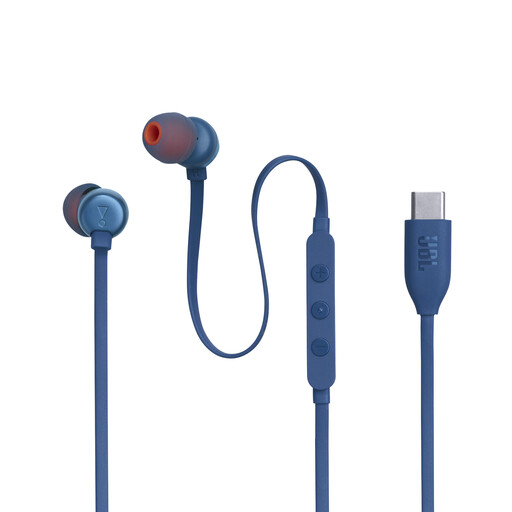 No image available
Could suit you if you want to listen via a wired connection and value having a choice of ear-tip sizes.
The product name specifies silicone ear tips.
 No image available
Could suit you if you want to listen wirelessly and are looking for active noise cancellation.
The stated maximum playback time is 6 hours with ANC on; playback time with the charging case isn’t uninterrupted listening time.
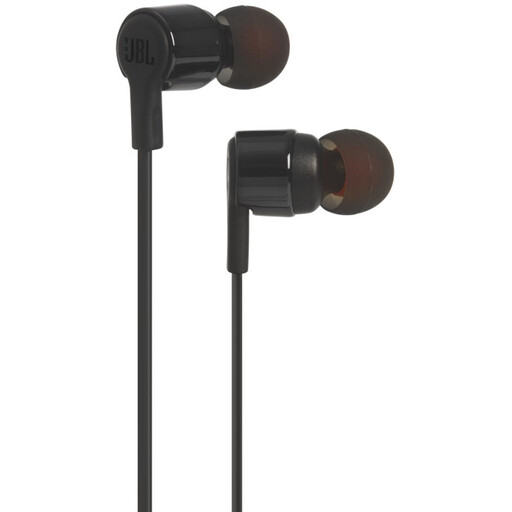 No image available
Could suit you if you want to listen via a wired connection without having to charge your earphones.
The product name specifies a 3.5 mm connection.
 No image available
Could suit you if you’re looking for noise cancellation with a wired connection.
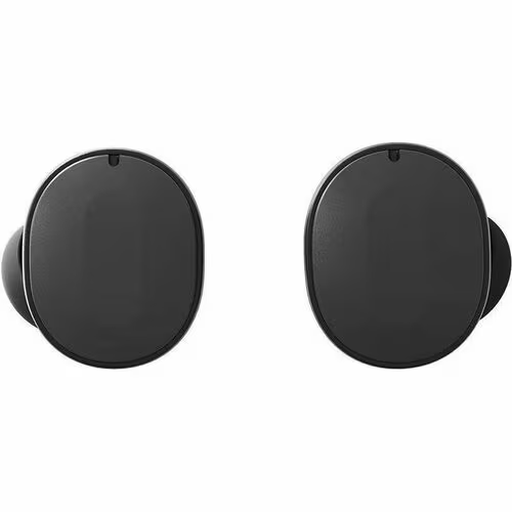 No image available
Could suit you if you want to listen wirelessly and noise cancellation is important to you.
The stated maximum playback time is 8 hours per charge with ANC off; total playback time with the charging case isn’t uninterrupted listening time.
No. Passive isolation comes from the seal created by the tip; active noise cancellation uses electronics. Check which technology the specific model has: the standard SE215 uses passive isolation, while the WF-1000XM6 has ANC.
Compare the sizes and materials included, and choose a tip that seals well without causing lasting discomfort. Follow the instructions for your chosen model when cleaning and replacing the tips; a well-fitting tip won’t guarantee comfort for everyone.
Not without checking first. According to the European Union Aviation Safety Agency, the airline decides when electronic devices can be used, and the crew may restrict their use. The agency also warns that headphones and noise-isolating earphones can make safety announcements harder to hear. Pay attention to the safety briefing and follow the crew’s instructions.
For online purchases, you generally have a statutory 14-day cooling-off period from the day after delivery, and the seller is responsible for the statutory guarantee if a product is faulty. ACM ConsuWijzer lists exceptions to the cooling-off period for certain hygiene products that have been unsealed. So don’t assume you can try earphones on and return them without restriction; check the specific packaging and terms first.