
Vandaag of morgen in huis

Kwaliteit gegarandeerd

Welkomstaanbiedingen ontgrendelen: GRATIS bezorging | Tot 80% korting | Gratis 30 dagen JoyPlus-proefperiode
Download de app
A bottle or can of imported soft drink often catches the eye with its striking design, a flavour you will not find in every Dutch supermarket or a large multipack. However, an exotic name does not tell you everything about what is inside. If you are buying imported soft drinks online, it is worth looking beyond the product photo.
Common pitfalls include:
Start by checking the order of the ingredients. Ingredients are generally listed from the largest to the smallest proportion. For example, McNulty Green Grape Ade lists white grape juice concentrate, alongside grape flavouring and sweetener. This tells you more than the product name alone.
In a tropical soft drink, mango or pineapple flavour can be achieved in several ways. Rubicon Sparkling Mango, for example, contains 8% mango purée, while other mango sodas may contain mainly flavouring or only a limited amount of fruit ingredients. This does not automatically make products good or bad, but it does help you set more realistic expectations about the flavour.
Compare the nutritional values per 100 ml, not just per bottle or can. Here are some examples from the product information:
A lower sugar content may be linked to sweeteners such as sucralose, acesulfame-K or stevia. Always check the full ingredients list. Product information can change, so compare the online details with the label when your order arrives.
The country of origin can help you understand a product’s character, but it is not a guarantee of quality. Japanese Ramune is known for its glass bottle with a marble stopper. Korean soft drinks often include fruity ade varieties or combinations such as grape and milky flavours. American soft drinks are often available in larger multipacks, while Caribbean soft drinks may be known for their bold fruit and grape flavours.
Also consider the format:
For imported products, also check the allergen information, storage instructions, closure and best-before date. Even if the listing states that a product contains none of the 14 main EU allergens, the label remains the definitive source of information.
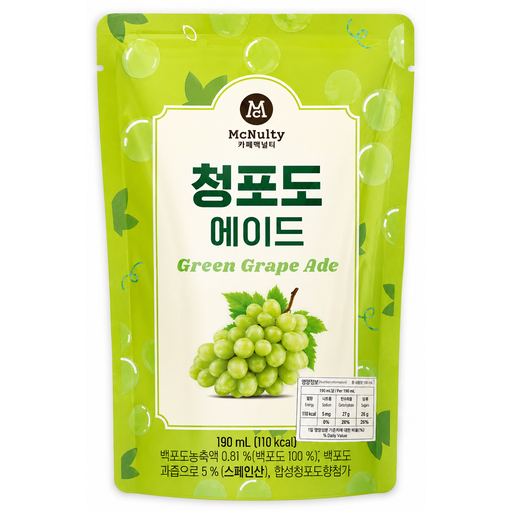
Why it suits this profile: The compact packaging is ideal for trying a Korean soft drink without immediately buying a large multipack.
The product information lists grape juice concentrate separately from flavouring and states 58 kcal and 13.2 grams of sugar per 100 ml. This gives you a better idea of how sweet it will be before you buy.
190 ml per pack; origin: South Korea; clear nutritional values per 100 ml.
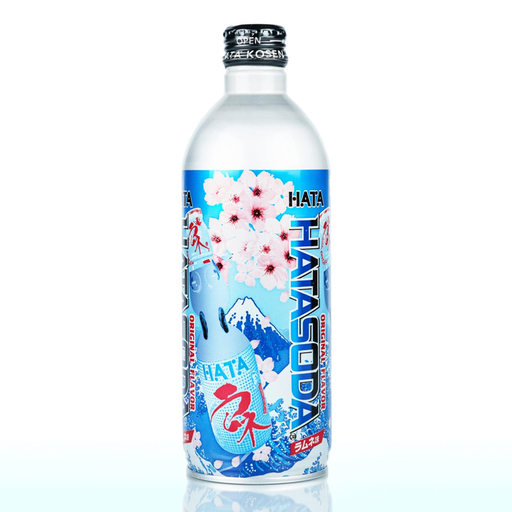
Why it suits this profile: For anyone who values presentation and an unmistakably Japanese drinking experience as well as flavour.
The quantity and closure are clearly specified: 500 ml and a traditional marble stopper. The product description also states that it contains no artificial colourings.
Japanese Ramune; 38 kcal and 9.5 grams of sugar per 100 ml; suitable for sharing or serving at a party.
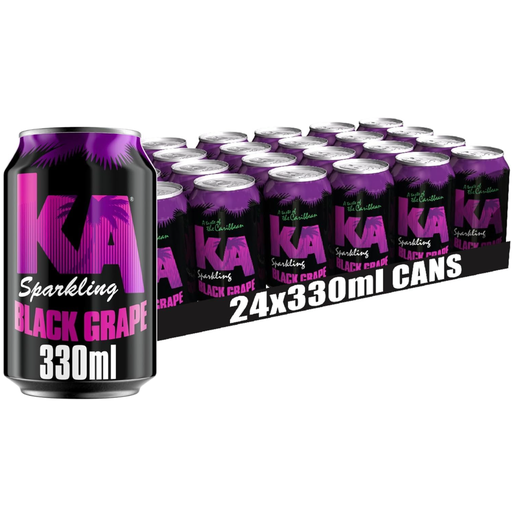
Why it suits this profile: The large multipack is practical for parties, clubs, family gatherings or keeping a regular supply at home.
The packaging is clearly stated upfront: 24 cans of 330 ml. You do not need to combine several individual packs when catering for a larger group.
24 servings; 330 ml can format; black grape flavour in a Caribbean style, according to the product description.
We have put together a complete, up-to-date list of products that fully meet these strict selection criteria and the applicable European safety regulations.
That depends on the number of guests and how you plan to serve it. A multipack such as KA Black Grape contains 24 cans of 330 ml. For a themed party, anime event or picnic, Japanese Ramune may be particularly appealing because of its bottle and marble stopper. Check in advance how much refrigeration is available and serve opened soft drinks chilled, according to the packaging instructions.
Calculate the price per 100 ml or per litre. First divide the total price by the number of packs, then scale the result to the quantity you want. Also consider delivery costs, deposits where applicable and the best-before date. A large multipack is only good value if you will use the full quantity.
Store unopened soft drinks according to the label in a cool, dry place away from direct sunlight and heat. The exact best-before date is shown on the packaging. Once opened, the drink should generally be refrigerated and consumed within the stated period. Always check the closure, label and date when your order arrives.
