
Vandaag of morgen in huis

Kwaliteit gegarandeerd

Welkomstaanbiedingen ontgrendelen: GRATIS bezorging | Tot 80% korting | Gratis 30 dagen JoyPlus-proefperiode
Download de app
Buying imported beer online may seem straightforward, but product pages don’t always make it clear at a glance what matters for your needs. A 24-pack might look like good value, even if you’d rather try a range of flavours. Terms such as “premium lager” or “authentic” can also be little more than marketing if the alcohol content, bottle size and ingredients aren’t clearly listed.
When shopping for international beer, look out for these three common pitfalls:
The alcohol content can help you decide whether a beer is right for the occasion. The range includes several light lagers with around 4.5% to 5% alcohol, such as Cass Fresh at around 4.5%, Sapporo at 4.7%, and LEO or Singha at 5%. Tyskie lists 5.6%, while Leffe Brune contains 6.5%.
A premium lager is usually a clear, easy-drinking beer with a relatively approachable flavour. A pilsner typically has a distinctive hop bitterness and a crisp finish. According to its product description, a Belgian abbey beer such as Leffe Brune has a darker colour and a fuller, slightly sweet flavour. So don’t choose by country of origin alone: consider the style and alcohol content too.
If you want to avoid alcohol, look for alcohol-free beer labelled 0.0%. The range includes Heineken 0.0 and Hertog Jan 0.0, for example. Check the label and ingredients for alcohol-free options too.
The packaging can tell you a lot about how the beer is best enjoyed:
When comparing prices, work out the price per litre. A box of 24 bottles of 330 ml contains 7.92 litres, while 24 containers of 500 ml add up to 12 litres. So a lower price per bottle doesn’t automatically mean a lower price per litre.
Also consider the difference between bottled beer and beer in cans. Bottles can look good on the table, while cans are often easier to chill and transport. Always check the current packaging on the product page, including any deposit information provided.
Many international beers contain barley malt, which is a gluten-containing cereal. According to the product information, this includes Sapporo, Kirin, Cass, Tyskie, Jupiler and Leffe. Saigon Special also lists sulphites. LEO lists water, barley malt, rice, malt syrup and hops, with separate allergen information on the product page.
Product information may change between packaging or imported batches. So use the product page as a first guide, but check the physical label when your order arrives too. If you’re unsure about the ingredients or allergens, it’s best not to consume the product.
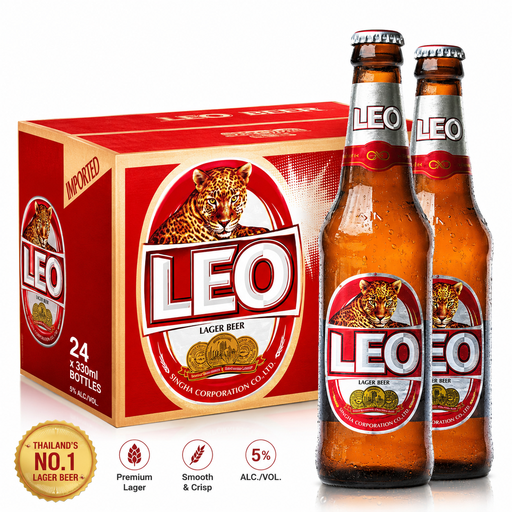
Why it suits this profile: The box contains 24 bottles of 330 ml, with 5% alcohol according to the product information. This makes the Thai lager a good choice for a group, a barbecue or stocking up.
The pack size and alcohol content are clearly listed, so you don’t have to rely on the term “Thai lager” alone.
24 x 330 ml, 5% alcohol according to the product listing, and a good match for spicy Asian dishes.
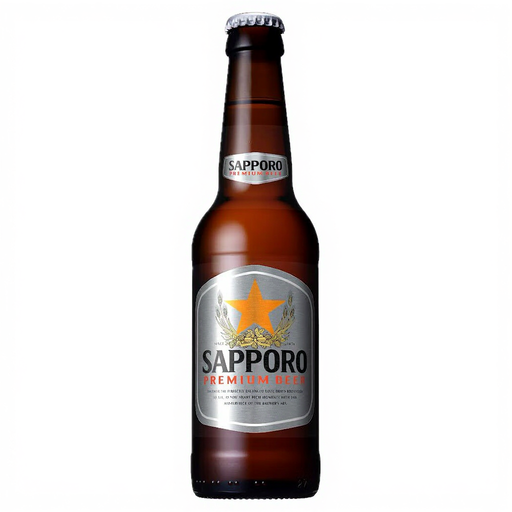
Why it suits this profile: This Japanese lager is a sensible choice if you’re looking for an individual serving and value clear product information, including its 4.7% alcohol content.
It isn’t a large multipack, so you can serve the beer with a meal without ordering several litres at once.
330 ml per bottle, 4.7% alcohol according to the product information, and ingredients including barley malt, hops and rice.
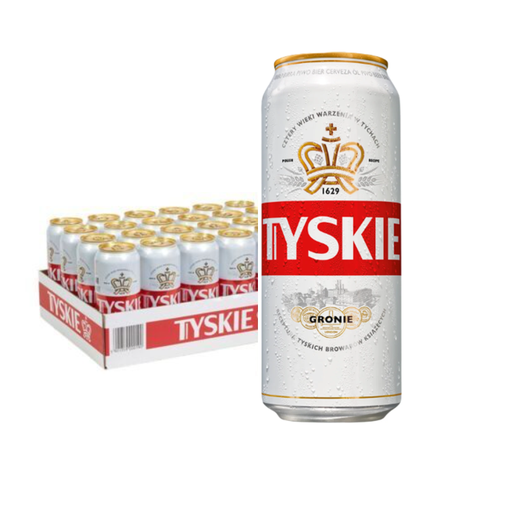
Why it suits this profile: The 24 bottles of 500 ml are ideal for larger gatherings or stocking up. The product information lists 5.6% alcohol and a flavour with notes of hops, caramel and fruit.
The bottle size and total quantity are clearly stated. This avoids confusion between a 24-pack of 330 ml bottles and a pack of 500 ml bottles.
24 x 500 ml, 5.6% alcohol according to the product listing, and ingredients including water, barley malt and hops.
We’ve put together a full, up-to-date list of products that meet these strict selection criteria and the applicable European safety regulations.
Yes, as long as you’re 18 or over. Online sales must include an age check. Also check the delivery terms, product information and any deposit details. Drink responsibly, and don’t drive or cycle after drinking alcohol.
Store beer according to the instructions on the packaging. This usually means keeping it somewhere cool and dry, away from direct sunlight. Chill it before serving. Avoid large changes in temperature and check the best-before information on the physical label. It’s best to drink an opened bottle or can straight away.
That depends on the price per litre, the packaging and any delivery or deposit charges. Divide the total price by the number of litres for a fair comparison. A 24-pack is often practical for a party, but individual bottles or a 6-pack reduce the risk of buying a flavour that isn’t right for you.
