
Vandaag of morgen in huis

Kwaliteit gegarandeerd

Welkomstaanbiedingen ontgrendelen: GRATIS bezorging | Tot 80% korting | Gratis 30 dagen JoyPlus-proefperiode
Download de app
When you search for immune system supplements, you’ll quickly come across dozens of options: vitamin D3, vitamin C 1000 mg, selenium and zinc, multivitamins, and various chewable or effervescent tablets. The right choice doesn’t just depend on an eye-catching dosage. The formulation, format, dietary preference and recommended daily amount all determine whether a supplement is right for you.
A pack labelled “1000 mg” or “75 mcg” immediately stands out, but more isn’t suitable for everyone. Always check:
With vitamin C, for example, you’ll find both an 80 mg vitamin C supplement and a 1000 mg vitamin C supplement. A higher dose may be relevant for a specific personal choice, but it’s no guarantee of a better result.
Terms like “extra strength”, “natural” or “highly absorbable” only mean something when the product specifications are clear. Look at the exact form of the nutrient and the ingredients list. With a selenium and zinc supplement, for instance, it’s important to know how much selenium, zinc and additional vitamins are present per daily dose.
Claims about effects should not be taken as medical advice. According to the manufacturer’s product description, certain vitamins and minerals contribute to normal body functions. That doesn’t mean a supplement prevents or treats a disease.
A supplement that’s difficult to take is more likely to go unused. Capsules are compact, but not everyone finds them pleasant. Chewable vitamin tablets are handy without water, while effervescent vitamin C tablets need to be dissolved in a glass of water first. Also pay attention to sweeteners, allergens, gelatine and the presence of sugar.
Compare products based on the amount per recommended daily dose, not just per pack. A pot of 365 capsules may seem good value, but check whether you need one or several capsules per day.
For immune support, vitamin C, vitamin D, selenium and zinc are often chosen. If you’re also looking after your bones and muscles, you might specifically search for vitamins for bones and muscles, such as vitamin D3. The available variants range from vitamin D 10 mcg and vitamin D 25 mcg to vitamin D 75 mcg.
Only use a higher dosage when it suits your situation and the instructions on the label. If you’re taking medication, pregnant, breastfeeding, have a medical condition or are in doubt, it’s wise to consult a doctor or pharmacist.
Choose the format you can actually use every day:
With chewable tablets and effervescent tablets, also check the sweeteners and flavourings used. A sugar-free option may be appealing, but it can still contain sorbitol, xylitol or other sweeteners.
If you eat a vegan diet, don’t just look at the product name. Check the full ingredients list. Gelatine, for example, is found in some vitamin D3 capsules. Other products use a plant-based capsule or are labelled as vegan in the product information.
Also look out for milk, gluten, lactose and other allergens. An L-lysine supplement might be a vegetarian chewable tablet, but according to the product information it could still contain milk. The combination of selenium and zinc can also include vitamins A, B6, C and E. That’s handy if you want to combine several nutrients, but less suitable if you’re already taking different supplements.
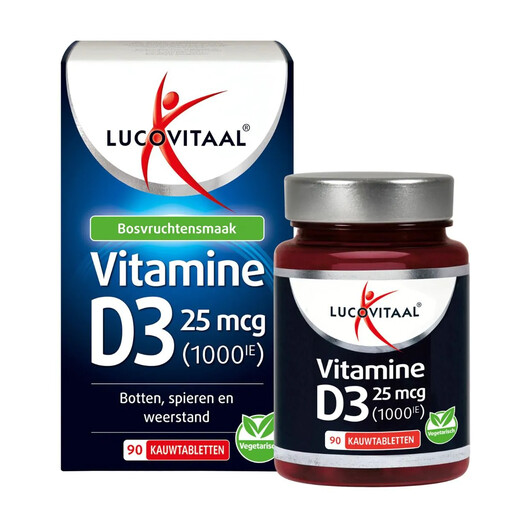
Why this fits the profile: A fixed dosage of 25 mcg per sugar-free chewable tablet with a berry flavour makes this a straightforward choice for daily use without capsules.
The dosage is clearly stated per tablet. You don’t need to work out a combination of several products yourself.
25 mcg vitamin D3 per tablet, 90 chewable tablets and, according to the product information, suitable for adults.
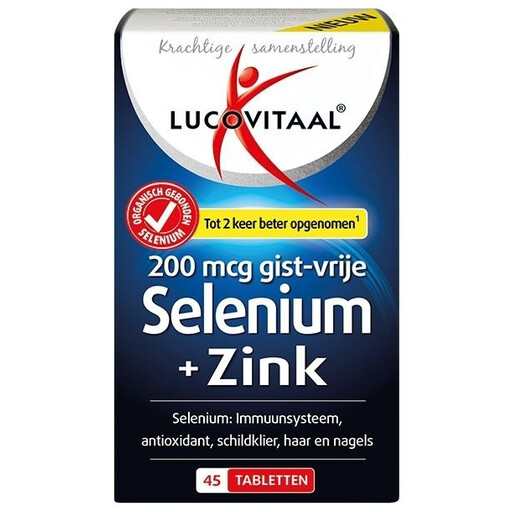
Why this fits the profile: Ideal for those looking for selenium, zinc and several additional vitamins in one formula alongside vitamin C.
The formulation lists the main active ingredients and is yeast-free according to the product information. This allows for more targeted comparison than relying on the front of the pack alone.
Contains selenium, zinc and vitamins A, B6, C and E; pack of 45 tablets.
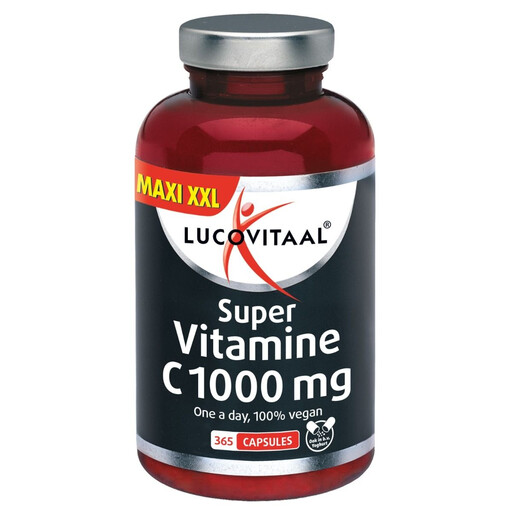
Why this fits the profile: A pack of 365 capsules suits adults looking for a daily vitamin C supplement with a long-lasting supply.
The amount of vitamin C is clearly specified: 1000 mg per capsule. According to the product description, the capsule can also be opened and mixed with yoghurt or juice.
365 capsules, 1000 mg vitamin C per capsule and, according to the product information, vegan.
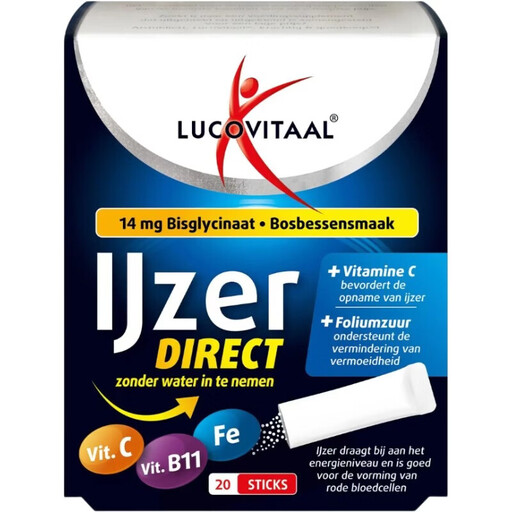
Why this fits the profile: The sticks are designed for adults who want to take iron, vitamin C and folic acid in a compact format without needing water.
The dosage is stated per stick: 14 mg iron, 80 mg vitamin C and 400 mcg folic acid. The warning for adults and possible laxative effect is also mentioned.
20 sticks, can be taken without water and, according to the product information, vegan and sugar-free.
We’ve put together a full, up-to-date list of products that fully meet these strict selection criteria and comply with current European safety regulations.
A multivitamin can be a good fit when you want several vitamins and minerals in one product. Do check for overlap with separate vitamin D, C, iron or zinc supplements. For vegan users, vegan vitamins and plant-based capsules are relevant, but always check the label.
If you struggle with swallowing, you can opt for chewable vitamin tablets, an effervescent tablet or a direct sachet. A vitamin C 1000 mg effervescent tablet, such as an orange-flavoured variant, contains 1000 mg vitamin C per tablet according to the product information. Pay attention to sweeteners and the preparation method.
An L-lysine supplement is a more specific choice. The Lucovitaal L-Lysine 1000 mg chewable tablets contain 1000 mg L-lysine and 12 mg vitamin C per two tablets, according to the product description. The recommended dosage is two tablets per day; also check the stated milk allergen.
That depends on your diet, personal circumstances and existing intake. Many consumers compare vitamin C, vitamin D3 and a combination with selenium and zinc. Choose based on the dosage and avoid double intake from multiple products.
No. Both contain vitamin D3, but the amount per capsule differs. A product with vitamin D 25 mcg contains 25 micrograms per capsule; a variant with vitamin D 75 mcg contains three times as much. Always follow the recommended dosage on the label and ask a doctor or pharmacist for advice if in doubt.
Check the expiry date on the packaging and store the product according to the instructions. Many supplements should be kept dry, sealed and out of reach of young children. Effervescent tablets are especially sensitive to moisture; close the tube immediately after use.
