
Vandaag of morgen in huis

Kwaliteit gegarandeerd

Welkomstaanbiedingen ontgrendelen: GRATIS bezorging | Tot 80% korting | Gratis 30 dagen JoyPlus-proefperiode
Download de app
When you want to buy iced tea, you will often look at the flavour or brand first. However, it is mainly the sugar content, packaging and size that determine whether a product suits your needs. Iced tea for drinking on the go is different from a bottle for the family, an iced tea multipack for the office or a stock supply for catering.
The product information on packaging can also be confusing. Words such as “green”, “light”, “zero” and “natural” do not always mean the same thing. Below, we outline the key points to check, with practical examples of ice tea and iced tea in cans, bottles and multipacks.
Green iced tea usually refers to the tea extract used and, on its own, says nothing about the number of calories. A green variant may contain sugar. Always check the nutritional information per 100 ml as well as the serving size.
With sugar-free iced tea and zero iced tea, sugar is often replaced with sweeteners. This can significantly reduce the sugar content, but the flavour differs from that of regular iced tea. So check both the ingredients list and the nutrition table.
A 1.5-litre bottle may seem good value, but once opened it has a limited shelf life in the fridge. A tray of cans costs more per purchase, but is more convenient when several people each drink their own portion. Compare the price per litre rather than just the price of the pack.
Also check the actual number of units. An iced tea can of 330 ml, a multipack of 12 cans and a tray of 24 cans cannot be directly compared with a 1.5-litre bottle.
Sparkling iced tea contains carbon dioxide and has a fresher, more invigorating texture. Still varieties are generally milder and may be better suited to a meal or longer drinking occasions. Check the product description for “sparkling”, “carbonated” or “bruisend”.
Use the nutritional information per 100 ml as a consistent point of comparison. Values across the range vary:
These figures are based on the available product information. Always check the label when your order arrives, as the recipe or packaging may change. A brand claim about flavour or refreshment is not an objective nutritional claim, so refer to the ingredients and nutritional values for that.
Choose the flavour to suit when you will be drinking it:
According to the product description, Lipton Ice Tea Lemon contains black tea extract and 0.1% lemon juice from concentrate. g’woon Green Lemon states that it contains green tea extract and 0.1% lemon juice from concentrate. Arizona Peach lists 0.1% peach juice from concentrate. The exact flavour is a matter of personal preference; the ingredients mainly provide insight into the composition.
A 330 ml can is easy to serve as an individual portion and does not need to be resealed after opening. A 1.5-litre bottle is practical for home use, but must be refrigerated after opening and consumed within the period stated on the packaging.
Trays are worth considering for offices, parties and catering. When comparing them, check:
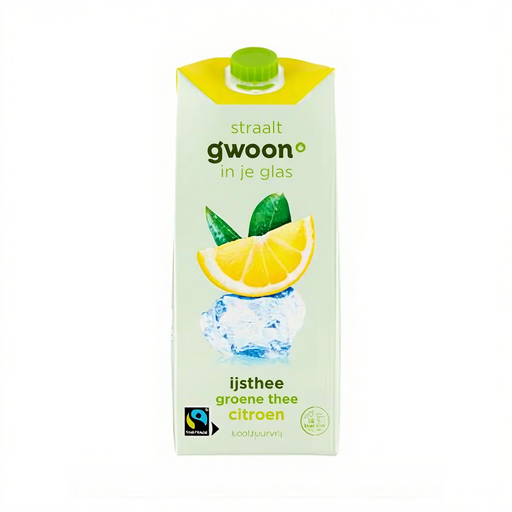
Why it suits this profile: The 1.5-litre bottle is suitable for home use and shared drinking occasions. The combination of green tea and lemon offers a familiar flavour profile.
The product information states 2.21 grams of sugar per 100 ml. This lets you compare your options using a specific figure rather than relying solely on the term “green”.
1.5-litre volume; green tea with lemon; according to the product information, free from the 14 main EU allergens.
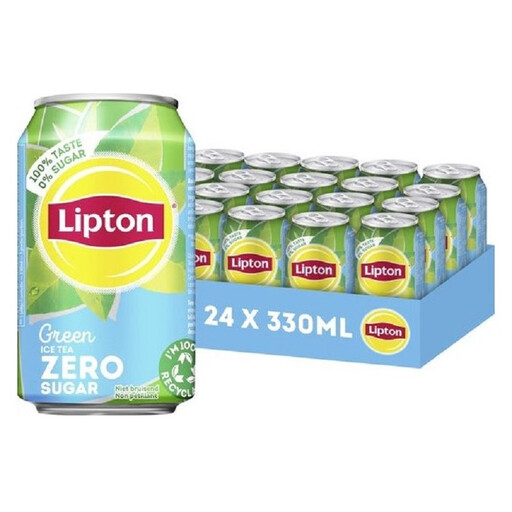
Why it suits this profile: If you are looking for a supply of sugar-free green iced tea, you get 24 cans of 330 ml. This is ideal for an office fridge or regular use at home.
The name “Zero” is supported by the stated nutritional information: 0 grams of sugar and 1 kcal per 100 ml. Check the current packaging when your order is delivered.
0 grams of sugar per 100 ml; 24 individual packs; green tea with a citrus flavour according to the product description.
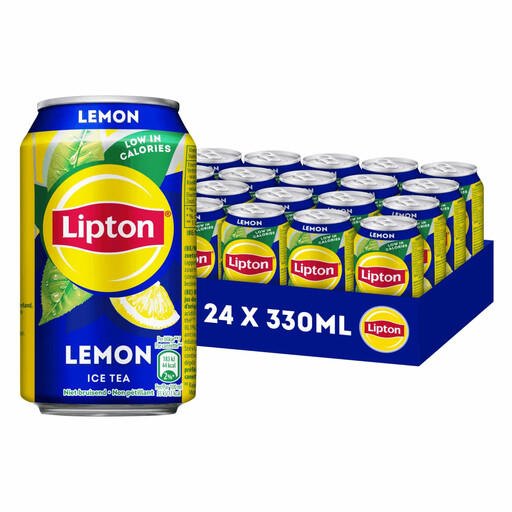
Why it suits this profile: The tray is practical for offices, catering, events or families who want chilled portions ready to serve without repeatedly opening a large bottle.
The product description clearly states that this is still lemon iced tea. This helps you avoid accidentally ordering a sparkling variant.
24 cans of 330 ml; lemon flavour; 13 kcal and 3 grams of sugar per 100 ml according to the available product information.
We have compiled a complete, up-to-date list of products that fully meet these strict selection criteria and the applicable European safety regulations.
This varies by product. Lipton Ice Tea Green Zero states 0 grams of sugar per 100 ml. Lipton Sparkling Zero is also described as sugar-free. Other varieties, such as peach or lemon iced tea, may contain more sugar. Always check the nutritional information on the current label.
For individual portions, a 330 ml can is practical: after opening, there is nothing to store. A 1.5-litre bottle is more convenient for several people and may offer better value per litre. Once opened, however, the bottle must be refrigerated and used within the stated period.
Follow the storage instructions on the packaging. Many products need to be refrigerated after opening and consumed within the stated period. Store unopened iced tea in a cool, dry place away from direct sunlight. Before use, also check the cap, seal and best-before date.
