
Vandaag of morgen in huis

Kwaliteit gegarandeerd

Welkomstaanbiedingen ontgrendelen: GRATIS bezorging | Tot 80% korting | Gratis 30 dagen JoyPlus-proefperiode
Download de app
On a warm day, few things are as refreshing as a cold glass of iced tea. But the shelves are packed with options, from classic peach iced tea to exotic Asian fruit teas. The selection is vast, and not every bottle or carton delivers on its promise. Many products entice you with terms like "natural" but conceal high sugar content or a watery taste.
As a Product Recommendation Officer at Joybuy, I see which products are popular and what challenges consumers face every day. This guide will help you see through the marketing hype and choose an iced tea that truly suits you, without any unnecessary disappointment.
Before you make a choice, it's good to know where things often go wrong. Many disappointments can be avoided by paying attention to two simple things.
You don't need to be a label expert to make a good choice. Pay attention to the following three points to assess the quality of an iced tea.
The base of any iced tea is, of course, tea. The type used has a major impact on the flavour.
Iced tea is available in various forms, each with its own pros and cons.
Always check the nutritional information table and look for the "carbohydrates, of which sugars" line per 100 ml. This provides the most honest comparison. A drink with less than 5 grams of sugar per 100 ml is generally considered low-sugar. Many brands now use sweeteners like steviol glycosides (stevia) to reduce the calorie count.
To help you get started, we've highlighted some popular choices and matched them to different preferences.
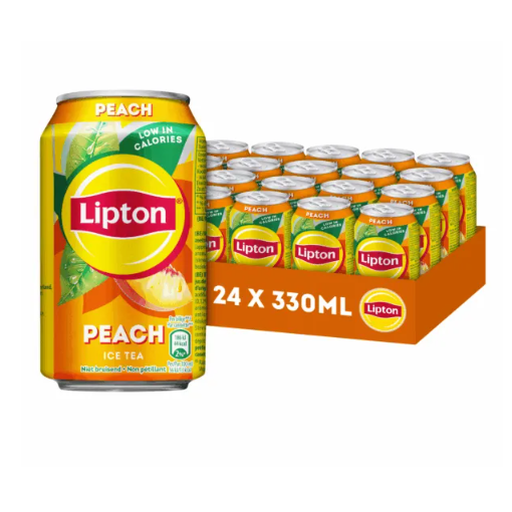
Why This Fits Their Persona: For those looking for a reliable, ready-to-drink classic. This bulk pack of peach iced tea cans is ideal for parties, the office, or for always having a cold drink on hand. No fuss, just the familiar taste.
This version is relatively low in sugar (3 g per 100 ml) and calories (13 kcal per 100 ml), allowing it to avoid the sugar trap of many other ready-to-drink beverages.
Made with Rainforest Alliance certified tea. Convenient, recyclable cans for on the go.
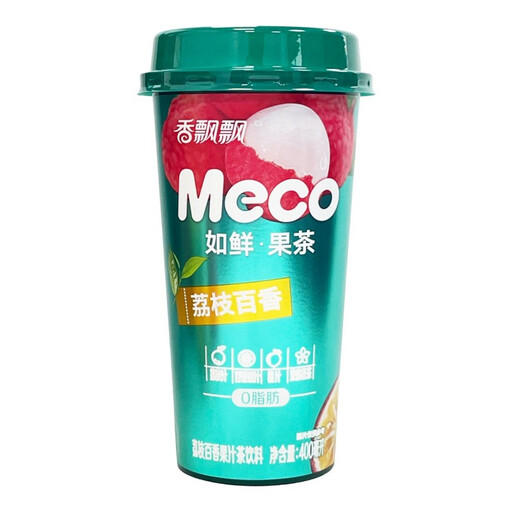
Why This Fits Their Persona: Perfect for those who are tired of the standard flavours and want to try something new. This Asian fruit tea combines the sweet, floral taste of lychee with the tropical notes of passion fruit. A bold and refreshing choice.
Instead of vague "flavours," this drink contains real juice concentrate from peach, lychee, and passion fruit, which provides a more authentic and complex fruit taste.
A unique flavour combination you won't easily find in the supermarket. The jasmine tea base provides a light, floral undertone.
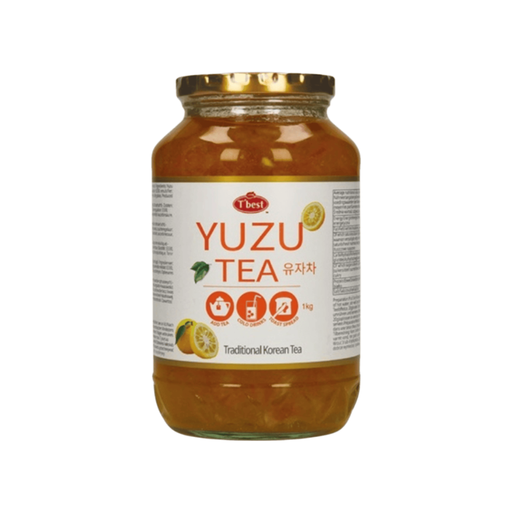
Why This Fits Their Persona: For those who love to be in control. This Korean yuzu base is a type of iced tea syrup or jam that lets you make your own iced tea (or hot tea). You decide the ratio and therefore the sweetness and strength.
You completely bypass the hidden sugar pitfall because you control the dosage. Want a lighter drink? Just use less syrup. This gives you full control over your sugar intake.
Contains 60% yuzu for an intense, authentic citrus flavour. Highly versatile: can also be used on toast, in marinades, or in baking.
Didn't find what you were looking for? We've compiled a complete, up-to-date list of products to suit a variety of tastes and preferences.
What is the difference between iced tea made from green tea and black tea? The main difference is the taste. Black tea provides a strong, robust flavour that many associate with traditional iced tea. Green iced tea is typically lighter, fresher, and has a more subtle, sometimes vegetal taste. The choice is purely a matter of personal preference.
How much sugar is in an average glass of ready-to-drink iced tea? This varies greatly by brand and product. A "standard" iced tea often contains between 4 and 8 grams of sugar per 100 ml. Some fruitier versions can exceed 10 grams. For comparison, a 250 ml glass with 8 grams of sugar per 100 ml contains 20 grams of sugar, which is equivalent to five sugar cubes. Therefore, always read the label.
Can I use iced tea syrup for other things? Absolutely. A concentrated tea or fruit base like yuzu or lemon tea is very versatile. You can use it as a base for mocktails, add a splash to sparkling water for a homemade soft drink, or use it as a flavouring in yoghurt, quark, or even as a marinade for chicken or fish.
