
Vandaag of morgen in huis

Kwaliteit gegarandeerd

Welkomstaanbiedingen ontgrendelen: GRATIS bezorging | Tot 80% korting | Gratis 30 dagen JoyPlus-proefperiode
Download de app
A bottle or can of iced tea may seem easy to choose, until you look at the shelves and online offers. Will you go for peach iced tea, lemon iced tea, green iced tea or sparkling iced tea? And does “zero” automatically mean that it contains no sugar? Packaging, volume and nutritional values can vary considerably between products.
With these practical checks, you can choose an ice tea that suits you more confidently for home, on the go, at the office or for a social occasion.
Sugar-free iced tea often uses sweeteners instead of sugar. This can make it taste different from a regular variety. So don’t just check the front of the packaging; look at the ingredients list and nutrition table too.
When choosing sugar-free iced tea, pay particular attention to the line showing “of which sugars” per 100 ml. A product containing 0 grams of sugar differs from one containing, for example, 0.1 grams of sugar per 100 ml, even though both may be perceived as sugar-free.
A tray of iced tea cans is convenient for travel, guests or keeping a supply at the office. A 1.5-litre bottle of iced tea is usually more practical when several people are drinking from the same bottle. Compare the total volume, not just the price of the pack.
Also check how long the product can be kept after opening. Many bottles need to be refrigerated and consumed within the period stated on the label.
“Green tea peach” can refer to either a light green tea with peach flavour or a sweeter, fruitier drink. So look at:
A flavour description is useful, but the ingredients list provides the most verifiable information.
Choose sparkling iced tea when you are looking for a gentle fizz and a fresher drinking experience. Non-carbonated varieties are often more practical for sipping slowly or when you want to open a bottle and use it again later.
Peach iced tea usually has a fruitier profile. Lemon iced tea is often fresher and sharper in flavour. Green iced tea can taste lighter than iced tea made with black tea. The final flavour also depends on the sugar, sweeteners, flavourings and amount of tea extract.
Always compare nutritional values per 100 ml. This allows you to compare a 330 ml can fairly with a 1.5-litre bottle. Pay attention to the difference between:
The term “sugar-free” has a legal meaning within the EU. Even so, check the current packaging, as recipes can change. A low calorie content also does not automatically mean that a product contains no sugar.
For keeping a supply at home, 1.5-litre bottles are suitable when you are sharing the drink with several people. Individual cans or bottles are more convenient for lunch, a day out or a gathering where everyone gets their own portion.
When ordering online, check:
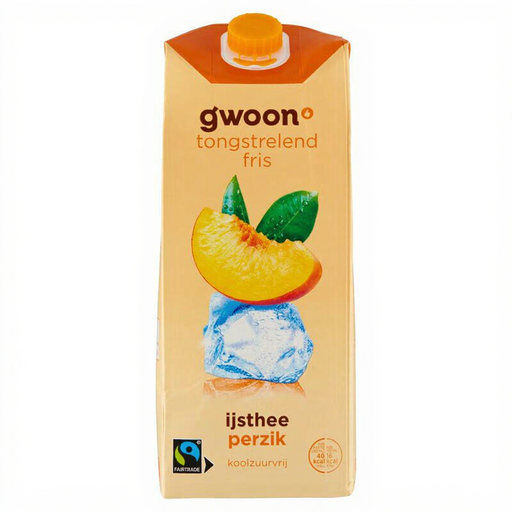
Why it suits this profile: The 1.5-litre bottle is ideal for enjoying at home and sharing during a meal or when entertaining. According to the product information, this variety contains 16 kcal and 3.8 grams of sugar per 100 ml.
The volume and nutritional values are clearly stated, so you won’t mistake the bottle for a zero-sugar variety.
Peach flavour, 1.5-litre volume and suitable for serving chilled.
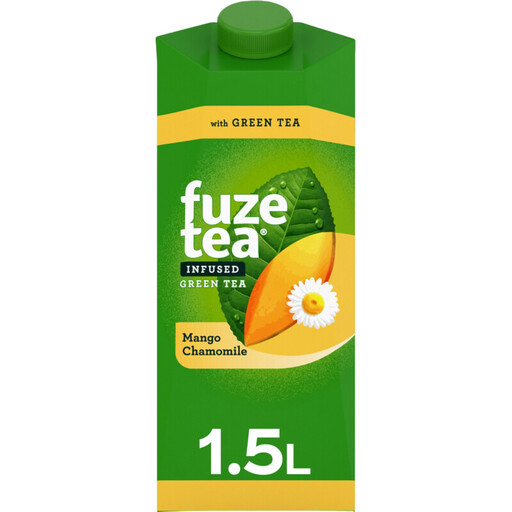
Why it suits this profile: This bottle combines green tea extracts with mango and chamomile. The product information states that it contains 19 kcal and 4.3 grams of sugar per 100 ml.
The sweeteners and sugar are listed separately in the ingredients list, so the drink is not presented as sugar-free.
1.5-litre bottle, green tea extracts and an unusual mango and chamomile combination.
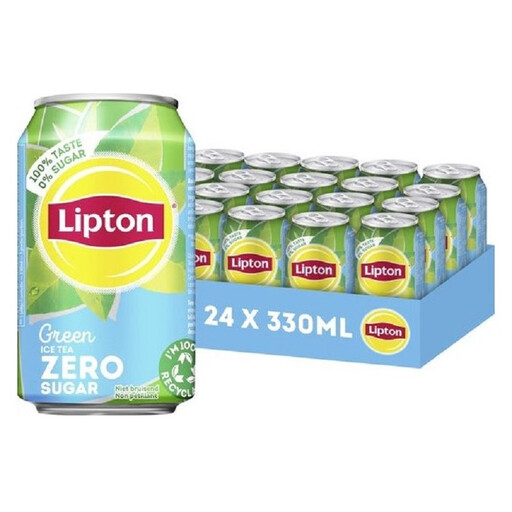
Why it suits this profile: A multipack containing 24 cans of 330 ml is practical for offices, events and regular consumption away from home.
The packaging states 0 grams of sugar and 1 kcal per 100 ml, allowing you to verify the zero-sugar choice using concrete figures.
24 individual cans, green tea extract and no stated sugars per 100 ml.
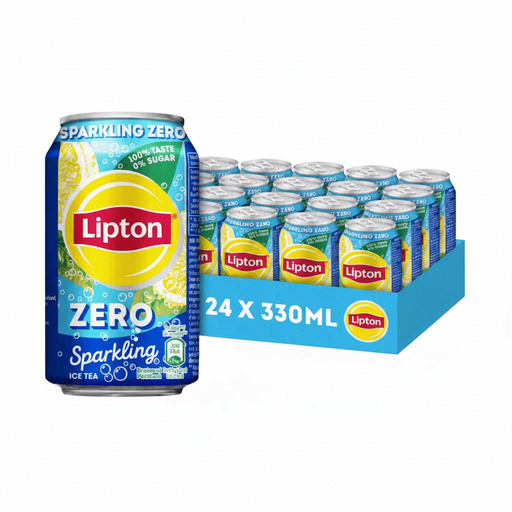
Why it suits this profile: The 24 cans of 330 ml are ideal for serving chilled when entertaining or for keeping a regular supply at home.
The product description explicitly states that it is carbonated and contains 0% sugar, making the difference from regular Lipton Ice Tea clearer.
Sparkling iced tea, a zero-sugar formula according to the product information and a tray containing 24 cans.
We’ve put together a complete, up-to-date list of products that fully meet these strict selection criteria and the applicable European safety regulations.
Not always to the same extent, but sugar generally provides a significant proportion of the energy in a sweetened drink. Check the nutritional values per 100 ml. The range includes varieties with 0 or 1 kcal per 100 ml, for example, as well as drinks containing sugar and more energy.
Follow the information on the packaging. Many products need to be refrigerated after opening and consumed within the stated period. Close the bottle securely and check its smell, taste and appearance before drinking any more.
That depends on the price per litre and how you plan to use it. A 1.5-litre bottle can be convenient for sharing, while an iced tea multipack of cans may reduce waste when several people each want their own portion. So compare the total volume and price per litre before ordering.
