
Vandaag of morgen in huis

Kwaliteit gegarandeerd

Welkomstaanbiedingen ontgrendelen: GRATIS bezorging | Tot 80% korting | Gratis 30 dagen JoyPlus-proefperiode
Download de app
A bottle of iced tea seems easy to choose until you read the small print. One drink contains tea extract and sugar, while another uses sweeteners. The difference between an individual bottle, cans and an iced tea multipack also affects price, storage and convenience.
When buying iced tea online, you are most likely to encounter these three pitfalls:
Confusing “Zero” with an unsweetened flavour
Zero sugar iced tea often contains no sugar according to the nutritional information, but it may still contain sweeteners. As a result, the flavour can differ from that of regular black tea or green tea.
Looking only at the packaging
An attractive bottle says little about what is inside. Always check the number of millilitres, the number of units and the nutritional value per 100 ml. A multipack is practical, but not automatically better value if you do not compare the total volume.
Mixing up tea and soft drinks
Some ready-to-drink tea products have a distinct tea flavour. Other varieties mainly contain fruit flavouring, carbonation or sweeteners. Anyone expecting a delicate Japanese green tea may be disappointed by a sweet mango or lemon flavour.
Start with the nutritional value per 100 ml. Products with 0 grams of sugar fall into the sugar-free iced tea category, but check the ingredients list afterwards. For example, Lipton Zero Sugar Green Mango lists sucralose and acesulfame K. Lipton Ice Tea Green Zero Can uses, among other ingredients, steviol glycosides and sucralose.
That does not automatically make a drink suitable for everyone. If you want to avoid certain sweeteners, it is worth reading the full ingredients list. VITA 0 SUGAR LEMON TEA also states that it contains aspartame and a source of phenylalanine.
A product containing sugar may instead have a rounder, sweeter flavour. OISHI Genmai Green Tea lists 12 grams of sugar per 100 ml. That is an important difference compared with an unsweetened Japanese green tea such as Ito En Oi Ocha.
The term iced tea covers a range of different drinks:
So check whether tea extract, sencha, matcha, oolong or herbs are actually listed in the ingredients. Marketing terms such as “natural flavour” do not tell you how much tea the product contains.
For drinking on the go, packs of 250 to 330 ml are convenient. For home, the office or a gathering, a 1.5-litre bottle may make more sense. A tray of 24 cans or bottles takes up more storage space, but means you do not have to reorder as often.
Also pay attention to the instructions after opening. Several products need to be refrigerated after opening and consumed within the period stated on the packaging. Unopened drinks can sometimes be stored outside the fridge, provided they are kept somewhere cool and out of direct sunlight. With a powder or tea-bag product such as Fu Dong Hai Tangerine Peel, you are not buying ready-to-drink iced tea: it needs to be brewed first.
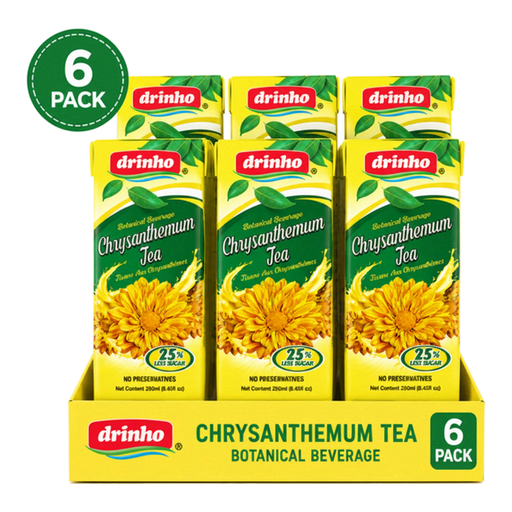
Why it suits this profile: The pack contains six 250 ml portions, making it an easy introduction to Asian tea and suitable for sharing.
The product information states 25% less sugar, so you do not have to rely solely on the front of the packaging. However, check the current label before buying.
Chrysanthemum extract, six individual packs and a ready-to-drink format. According to the product description, the drink contains no preservatives.
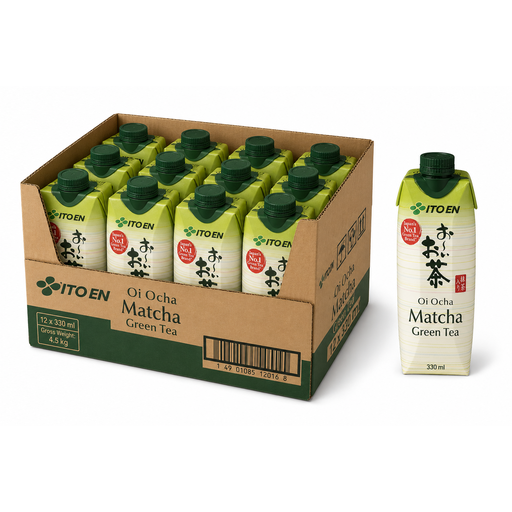
Why it suits this profile: This Japanese ready-to-drink tea is aimed at people who enjoy an unsweetened matcha and green tea flavour.
The ingredients list names green tea extract and matcha. The nutritional information states 0 grams of sugar per 100 ml, making the choice easy to verify.
12 bottles of 330 ml, product information listing Japan as the country of origin and 0 kcal per 100 ml. Refrigerate after opening.
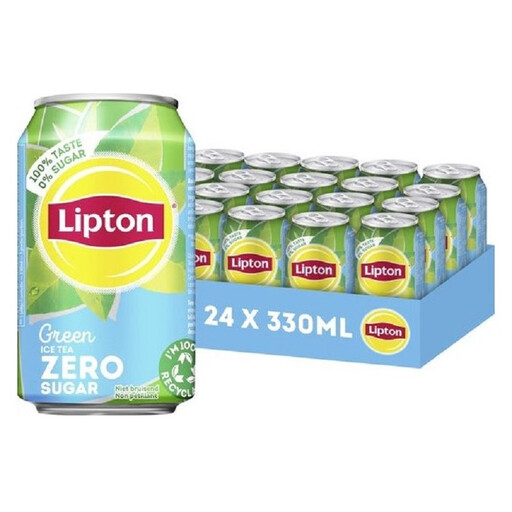
Why it suits this profile: A tray of 24 cans is ideal for offices, households and gatherings where individually portioned drinks are used quickly.
The product information states 0 grams of sugar and 1 kcal per 100 ml. The cans prevent a large bottle from being stored for too long after opening.
24 cans of 330 ml, green tea extract and a zero sugar formula according to the product information provided.
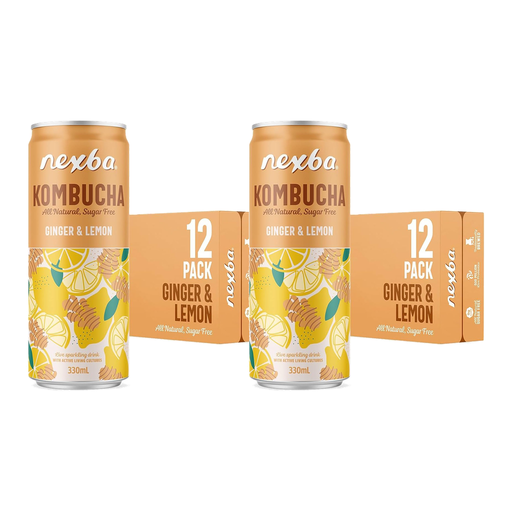
Why it suits this profile: The combination of ginger, lemon and sparkling kombucha is ideal for anyone looking for something different from traditional green or black iced tea.
The ingredients list names oolong tea, fermentation and sweeteners. This makes it clear in advance that it is not a classic sweet peach or lemon iced tea.
330 ml per bottle, 2 kcal per 100 ml according to the product information and a ginger and lemon flavour combination.
We have compiled a complete, up-to-date list of products that fully meet these strict selection criteria and the applicable European safety regulations.
No. According to the label, zero sugar iced tea contains no sugar, but it may still contain sweeteners. Unsweetened tea, such as some varieties of Ito En Oi Ocha, generally has a less sweet and more pronounced tea flavour. Always compare the ingredients and nutritional information.
This varies by product. Many bottles and cartons need to be refrigerated after opening and consumed within the period stated on the packaging. A can is intended for one-time use. Check the seal, storage conditions and best-before date before consuming an opened drink again.
A multipack may work out cheaper per pack or per litre, but this depends on the price, total volume and any delivery costs. Calculate the price per litre and consider how much storage space you have. For regular use at home or in the office, a tray of 24 cans can be practical; for occasional use, a smaller six-pack is often easier to manage.
