
Vandaag of morgen in huis

Kwaliteit gegarandeerd

Welkomstaanbiedingen ontgrendelen: GRATIS bezorging | Tot 80% korting | Gratis 30 dagen JoyPlus-proefperiode
Download de app
Iced tea is convenient for home, on the go, at the office or during a party. Yet many packages look alike, even though the differences in sugar content, carbonation, volume and serving size can be significant. A large bottle is not always better value if you end up throwing a lot away after opening it. And a product with “green tea” on the label may still contain sugar or sweeteners.
With this buying guide, you can compare iced teas using verifiable product information. This helps you avoid choosing based solely on flavour claims or eye-catching packaging.
Terms such as “light”, “low sugar” or “naturally sweetened” do not always mean that a drink contains no sugar. Check the nutritional information per 100 ml as well as the ingredients list. For example, Lipton Ice Tea Peach lists 3 grams of sugar per 100 ml. In a 330 ml can, that amounts to approximately 9.9 grams of sugar.
Sugar-free iced tea may, on the other hand, contain sweeteners such as steviol glycosides, sucralose or acesulfame K. If you want to limit your sugar intake, it is worth checking both parts of the label.
An iced tea multipack with 330 ml cans is practical for an office, fridge or event. For a family, a 1.5-litre bottle of iced tea may offer better value per serving. Once opened, a bottle should be stored in the fridge and used within the stated period, according to the product information.
So do not just calculate the price per pack; also compare the price per litre or per serving. Cans or small bottles are easier to take with you. For use at home and at parties, a larger bottle may be more efficient.
Black tea often has a fuller tea aroma, while green tea generally tastes lighter and fresher. Peach adds fruity sweetness, while lemon brings sharper, refreshing citrus notes. Sparkling iced tea contains carbonation, giving it a different mouthfeel from a still version.
The proportion of tea extract and fruit juice also varies between products. Check the ingredients list if you are looking for a more pronounced tea or fruit flavour.
Use the nutritional information per 100 ml as a consistent basis for comparison. The range includes, for example:
These figures come from the product information provided. Always check the label when your order arrives, as the recipe or packaging may change.
Choose the format based on the situation:
A 330 ml can is usually ready to drink straight away. A 1.5-litre bottle offers more flexibility, but must be refrigerated after opening.
If you are looking for a refreshing drink with a gentle fizz, sparkling iced tea may be the right choice. Lipton Ice Tea Sparkling and Lipton Sparkling Zero are examples of carbonated varieties. Still iced tea, such as Lipton Ice Tea Lemon or Fuze Tea Black Tea with Peach & Hibiscus, has a smoother drinking profile.
Also consider the closure and format. A can cannot be resealed, while a bottle or pouch may be more practical if you are not going to finish the drink in one go.
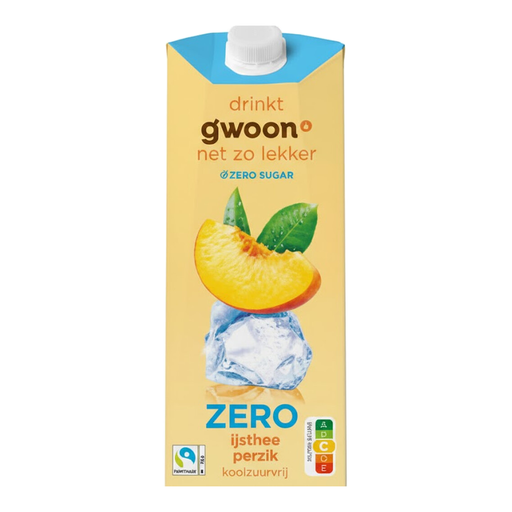
Why it suits this profile: The 1.5-litre bottle is suitable for use at home and sharing. The peach flavour is an accessible choice for anyone comparing different iced tea varieties for the first time.
The nutritional information lists 16 kcal and 3.8 grams of sugar per 100 ml. This makes it clear that “refreshing” does not mean sugar-free.
1.5-litre volume, fruity peach flavour and suitable for serving chilled.
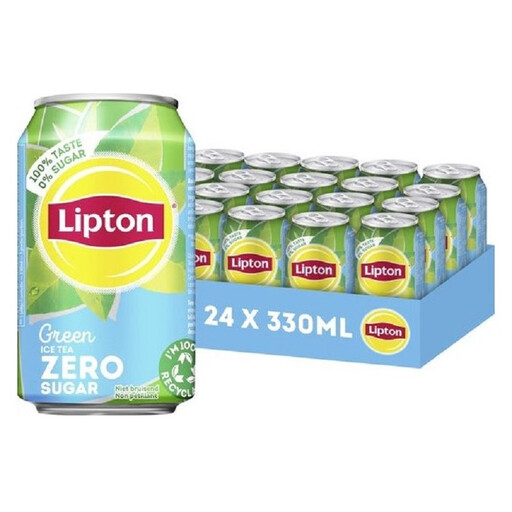
Why it suits this profile: A tray of 24 330 ml cans provides a reliable supply for an office, hospitality business or household with multiple users.
The product details state 0 grams of sugar and 1 kcal per 100 ml. The individual cans help prevent waste after opening a large bottle.
Sugar-free green iced tea, 24 x 330 ml and easy to serve chilled.
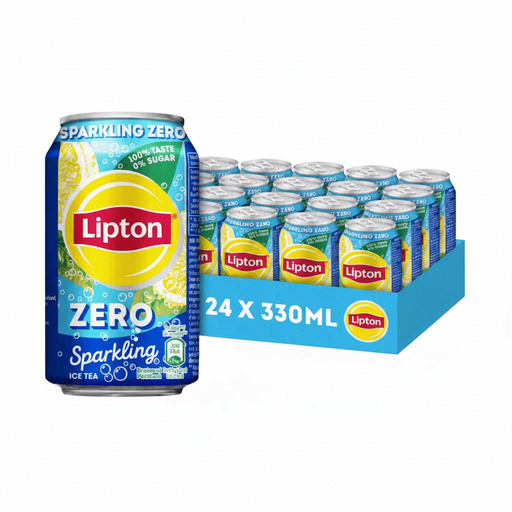
Why it suits this profile: Handy for parties, meetings and hospitality settings when you want to offer sparkling iced tea in individual portions.
According to the product description, this variety is sugar-free and carbonated. You therefore do not have to choose between a sparkling drink and a zero-sugar option.
24 x 330 ml cans, sparkling recipe and suitable for serving chilled.
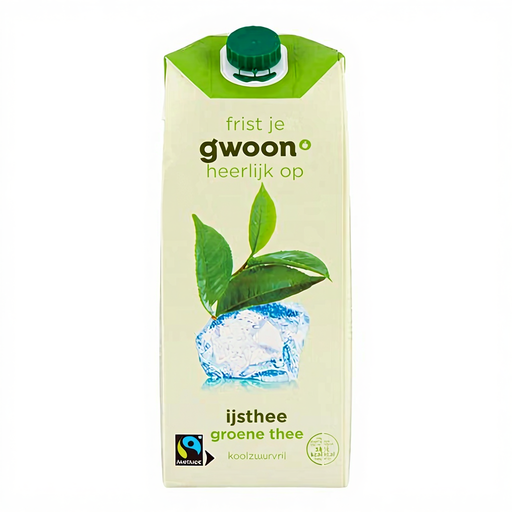
Why it suits this profile: The large bottle is suitable for serving chilled with a meal or sharing during a family day.
The stated nutritional information lists 2.21 grams of sugar per 100 ml. This makes the choice more transparent than relying solely on the term “green”.
1.5-litre volume, green tea and a light flavour with citrus notes, according to the product description.
We have put together a complete, up-to-date list of products that fully meet these strict selection criteria and the applicable European safety regulations.
This varies from product to product. Varieties with “Zero” in the name generally state 0 grams of sugar or a very small amount in the nutritional table. Lipton Ice Tea Green Zero and g’woon Ice Tea Peach Zero are examples from the range. Also check which sweeteners are used, as sugar-free does not automatically mean unsweetened.
That depends on the price per litre, the packaging and how much you actually drink. A 1.5-litre bottle can be convenient for use at home and sharing. A multipack of 330 ml iced teas helps limit waste and is practical for individual use. Compare the total volume before placing your order.
Store unopened ready-to-drink tea according to the instructions on the label, usually in a cool, dry place away from direct sunlight. Once opened, the packaging should generally be kept in the fridge. Check the stated period after opening, and inspect the closure and best-before date before serving.
