
Vandaag of morgen in huis

Kwaliteit gegarandeerd

Welkomstaanbiedingen ontgrendelen: GRATIS bezorging | Tot 80% korting | Gratis 30 dagen JoyPlus-proefperiode
Download de app
Buying iced tea seems simple until you have to choose between cans, bottles, trays, flavours and varieties with or without sugar. An eye-catching label does not always tell the whole story. The difference between sugar-free iced tea, iced tea with little sugar and ordinary soft drinks with tea extract can be significant.
The packaging also deserves attention. A single 500 ml bottle is convenient when you are out and about, while iced tea by the tray is better suited to an office, hospitality business or party. Use the checks below to avoid buying too much, choosing a flavour that does not suit your group or being left with packaging that is difficult to store.
Sugar-free iced tea often contains sweeteners to provide a sweet taste. Always check the ingredients list. For example, Lipton Zero varieties list sweeteners such as sucralose, acesulfame K and steviol glycosides. This says nothing about individual taste preferences: some consumers enjoy the flavour, while others prefer a variety made with sugar.
Also check the nutritional information per 100 ml. A 500 ml bottle contains five times that amount. This allows you to compare a bottle, can and tray on the same basis.
Sparkling iced tea, such as Lipton Ice Tea Sparkling, has a different mouthfeel from still iced tea. Carbonation can work well at a barbecue, lunch or party, but may be less convenient if you want to drink a bottle gradually throughout the day. Flavour names such as peach iced tea, lemon iced tea and mango iced tea also do not automatically indicate how much fruit juice they contain. Check the ingredients list for the stated percentage of juice or concentrate.
A tray may seem like good value, but compare the price per litre. A pack of 24 x 330 ml contains 7.92 litres; 24 bottles of 500 ml contain 12 litres. For families and events, the greater total volume may be more practical. For an office with limited storage space, cans may be easier to stack and distribute.
Also pay attention to the deposit on plastic bottles and cans. In the Netherlands, rules and amounts may vary depending on the type of packaging. Always check the latest information on the label and with the retailer.
Use the nutrition table as your main point of comparison. By way of illustration, Lipton Ice Tea Lemon lists 3 grams of sugar per 100 ml, while Lipton Sparkling Zero contains no sugar according to the product information. The Lipton Zero Sugar Green Mango variety also lists 0 grams of sugar and 1 kcal per 100 ml.
A product labelled ‘low sugar’ is therefore not the same as a product containing 0 grams of sugar. Also check whether it contains sugar, fructose, honey or sweeteners. For example, Oishi Green Tea Honey Lemon lists sugar, with 12 grams of sugars per 100 ml according to the supplied product information.
For individual use, 500 ml bottles are a practical choice. They are ready to drink, easy to take with you and simple to keep chilled after opening. For stocking up at home, in the office or in hospitality settings, iced tea by the tray and multipacks are more efficient.
A tray of 24 x 330 ml is suitable when portion control and compact canned packaging are important. A pack of 24 x 500 ml provides more drink per pack, but also requires more storage space.
Tea extract, fruit juice, acids, flavourings and sweeteners are often combined in iced tea. Anyone managing allergies should check the label rather than relying solely on a product title. For example, some Oishi products list gluten from cereal ingredients, while others state that they contain none of the 14 main EU allergens.
Store unopened bottles and cans as instructed on the packaging, generally in a cool, dry place away from direct sunlight. Once opened, the drink should usually be kept refrigerated and consumed within the stated period.
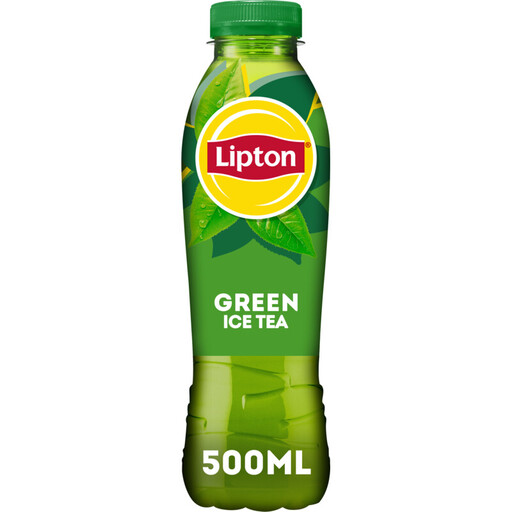
Why it suits this profile: The 500 ml bottle is an easy introduction to green iced tea. According to the product information, this variety contains 2.2 grams of sugar and 10 kcal per 100 ml.
The nutritional information and volume are clearly stated, so you do not have to rely solely on the flavour name or packaging.
500 ml ready-to-drink format, green tea extract and a low sugar content according to the product label.
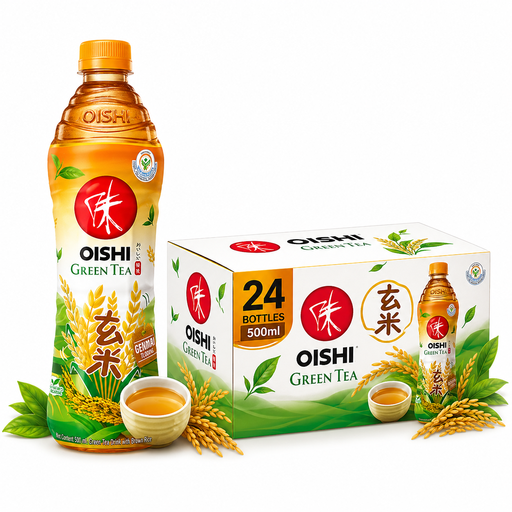
Why it suits this profile: The combination of green tea and roasted rice offers a distinctive flavour profile for anyone looking for something different from lemon, peach or mango.
The flavour profile and pack size are clear from the outset. However, bear in mind the stated 12 grams of sugar per 100 ml.
24 bottles of 500 ml and a genmai flavour with roasted rice according to the product description.
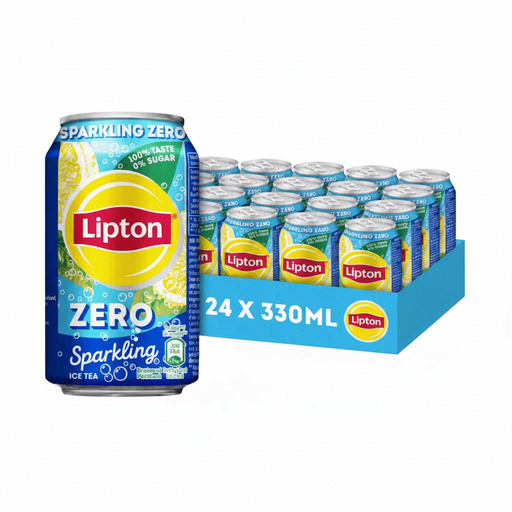
Why it suits this profile: This tray is aimed at offices, parties and households that want individual portions ready to serve. The drink is sparkling and contains 0% sugar according to the product information.
The packaging states both the serving size and the number of cans, making it easy to plan your stock in advance.
24 cans of 330 ml, sparkling iced tea and no sugar according to the stated product details.
We have compiled a complete, up-to-date list of products that fully meet these strict selection criteria and the applicable European safety regulations.
This varies by product. According to the product details, Lipton Sparkling Zero and Lipton Zero Sugar Green Mango contain 0 grams of sugar. However, they do contain sweeteners. Always check both the nutrition table and the ingredients list.
A tray can be practical and cost-effective if you drink iced tea regularly, but compare the price per litre. Also consider the total volume, storage space, deposit and shelf life. For a one-off event, a smaller pack may be better suited to the expected consumption.
Once opened, iced tea should generally be kept refrigerated and consumed within the period stated on the packaging. Seal the bottle properly and check its smell, taste and packaging before drinking. The manufacturer’s instructions on the label should always be followed.
