
Vandaag of morgen in huis

Kwaliteit gegarandeerd

Welkomstaanbiedingen ontgrendelen: GRATIS bezorging | Tot 80% korting | Gratis 30 dagen JoyPlus-proefperiode
Download de app
Buying iced tea might seem straightforward: pick a flavour, grab a multipack, and you’re done. But products vary widely in sugar content, carbonation, packaging and portion size. A deal on lots of iced tea cans, for example, isn’t automatically good value if you’re mainly after large bottles for home. What’s more, terms like “green”, “fruit” or “low sugar” can suggest a different flavour profile than you might expect.
With this practical buying guide, you can compare iced tea using verifiable product information. That way, you’ll find the right choice for home, on the go, the office, catering, or a party.
A tray of 24 cans sounds appealing, but it takes up more space than a couple of 1.5-litre bottles. What’s more, you’re not always paying less per litre. So compare the total volume and, if you like, work out the price per litre.
With sugar-free iced tea, the sugar content on the label is key. A product with less sugar can still contain sugar, whereas zero iced tea is usually sweetened with sweeteners. Always check the nutritional values per 100 ml and the ingredients list, not just the front of the pack.
For example, the product listing for Lipton Sparkling Zero states 0% sugar and a low calorie count. The exact nutritional information and ingredients can vary by packaging or market; so check the current labelling at the time of purchase.
Peach iced tea can contain fruit juice concentrate, flavouring, or both. With lemon iced tea, the proportion of lemon juice may be limited. Green iced tea can also contain sugar, fructose or sweeteners. So look at the ingredients if you’re specifically after tea extract, fruit juice or a particular sweetener.
First, choose between:
A can of Lipton Sparkling Zero suits shoppers who want to combine carbonation with a sugar-free option. If you’re after a still drink instead, you can also browse the still drinks range.
Always compare using the same unit of measurement: per 100 ml. That stops a small bottle from looking more favourable than a large pack. Also look out for:
By way of illustration, the product information for Lipton Ice Tea Peach states 3 grams of sugar and 13 kcal per 100 ml. Lipton Green Zero is listed with 0 grams of sugar and 1 kcal per 100 ml. These are product specifications from the relevant listings; check the packaging for the most up-to-date information.
For an office, event or catering venue, iced tea cans or an iced tea multipack are handy because portions are pre-divided. A 330 ml can is easy to hand out chilled. For home or a dinner, 1.5-litre bottles of iced tea are more practical, especially when several people are drinking the same flavour.
Also pay attention to the storage instructions. Unopened drinks should generally be kept cool and dry, out of direct sunlight. Once opened, iced tea usually needs to be stored in the fridge and used within the period stated on the label.
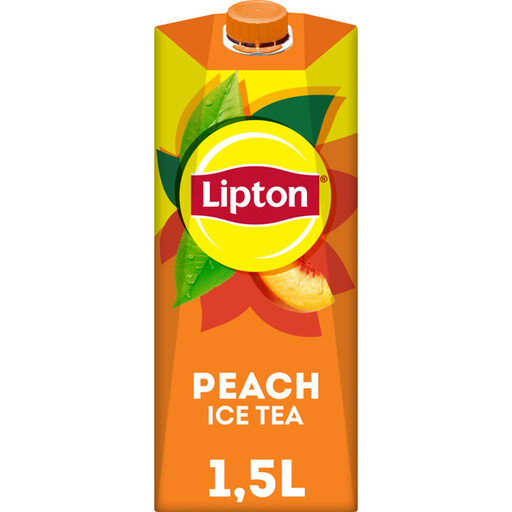
Why this fits the profile: The large bottle is a practical starting point for home, a packed lunch or a small group. The still peach flavour is familiar and easy to serve with ice cubes.
You’re not buying a large multipack of cans when what you really want is a shareable bottle. The product information states 13 kcal and 3 grams of sugar per 100 ml.
1.5-litre volume; still; peach flavour; ideal for sharing chilled.
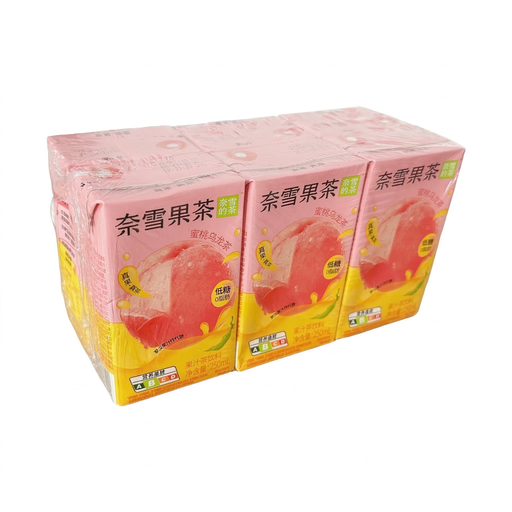
Why this fits the profile: These small bottles combine oolong tea with peach and apple juice according to the product description. They suit anyone looking for a fruity tea variant with a different flavour profile.
The product specification states 20 kcal and 4.8 grams of sugar per 100 ml. That means you can judge the sweetness by the numbers rather than relying on the flavour name alone.
6 bottles of 250 ml; oolong tea; at least 10% fruit juice according to the product listing; serve chilled.
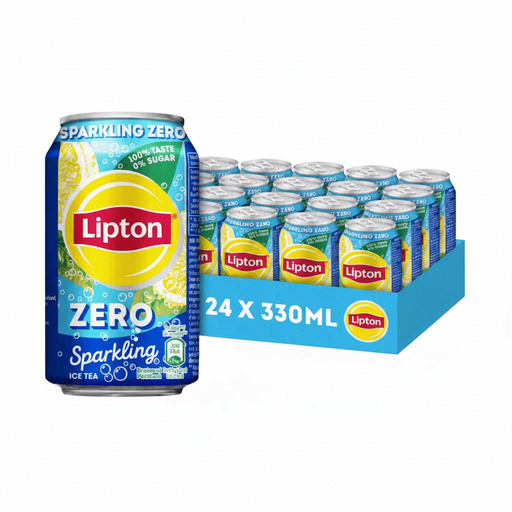
Why this fits the profile: A tray of 24 cans is ideal for offices, parties, catering or families who regularly want to grab a chilled portion.
The portions are pre-divided and the product listing states 0% sugar. That means you avoid large opened bottles and can control the stock per serving.
24 x 330 ml; sparkling; sugar-free variant according to the product description; practical for serving.
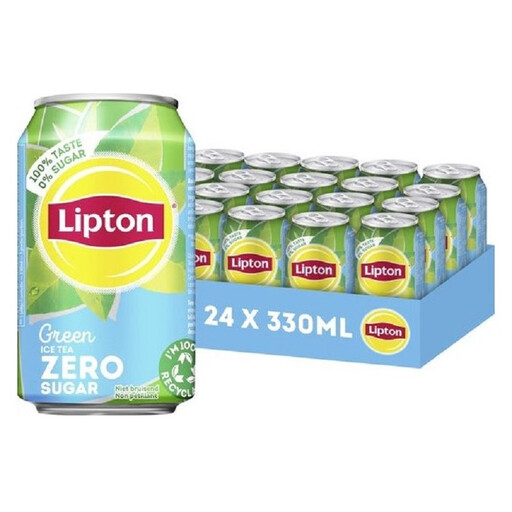
Why this fits the profile: This choice combines a green tea variant with small cans and a sugar-free product specification. That makes it ideal for stocking the fridge or an office environment.
The product details state 0 grams of sugar and 1 kcal per 100 ml. That makes the difference from green iced tea with sugar much clearer when comparing.
24 cans of 330 ml; green tea extract; 0 grams of sugar according to the product listing; serve chilled.
We’ve put together a full, up-to-date list of products that fully meet these strict selection criteria and current European safety regulations.
For a party, 330 ml cans or small bottles are handy. You don’t have to store opened bottles, and guests can help themselves. Choose a tray when you’re serving several people, and check beforehand whether you want to serve sparkling or still iced tea.
Store opened iced tea in the fridge and follow the period stated on the packaging. Seal a bottle tightly and don’t leave it in direct sunlight or near a heat source for long. Small packs are useful when a bottle needs to be finished quickly.
In product communication, these terms are often used for similar variants, but always check the nutritional information table. Look at the number of grams of sugar per 100 ml and see which sweeteners are listed in the ingredients. That way, you won’t rely solely on the front of the pack.
