
Vandaag of morgen in huis

Kwaliteit gegarandeerd

Welkomstaanbiedingen ontgrendelen: GRATIS bezorging | Tot 80% korting | Gratis 30 dagen JoyPlus-proefperiode
Download de app
A bottle of iced tea might seem like a simple purchase. However, products vary greatly in flavour, sugar content, size and packaging. If you only look at the brand or an attractive offer, you could end up with a tray that doesn't suit your needs: too sweet for daily drinking, too big for the fridge, or too small for a family or office.
With this practical buying guide, you can compare ice tea using verifiable product information. This makes it easier to find a suitable green iced tea, black iced tea, lemon iced tea, peach iced tea or sugar-free iced tea.
A product with few calories can still contain sugar. Always check the nutritional information per 100 ml rather than just the front of the packaging. For comparison:
Also look out for sweeteners such as steviol glycosides, sucralose or erythritol. "Sugar-free iced tea" can therefore taste quite different from sweetened ready-to-drink tea.
An iced tea tray of 24 cans is practical for an office, event or catering business. For a household with limited storage space, a pack of six bottles or cartons may be more suitable. Work out the total volume:
A large pack may seem better value per litre, but only if you'll use the iced tea within its shelf life and have enough fridge or storage space.
"With tea", "with fruit" or "authentic flavour" says little without the ingredients list. Check the order of ingredients and the stated percentage of tea extract or fruit juice. According to the product description, Naïsnow Peach Oolong Tea contains at least 10% fruit juice, while some other variants only list a small amount of lemon or peach juice from concentrate.
Brand claims about flavour, origin or sustainability should be read as information from the brand. For example, Lipton states in its own product description that the tea extract is Rainforest Alliance-certified. Always check the current packaging at the time of purchase, as recipes and packaging information can change.
Compare products on the same basis: per 100 ml. Also look at the serving size. A 1.5-litre bottle, for instance, contains several glasses; the figure per 100 ml doesn't tell you how much sugar you'll consume in a full glass.
Pay attention to the following points:
If you're after a classic lemon flavour, you can compare black tea with lemon against green tea with lemon. In this product selection, green tea often has a lighter profile, while black tea typically offers a more pronounced tea taste. This ultimately comes down to personal preference; check the label for the exact composition.
Small bottles or cartons of 250 ml are handy for lunchboxes, on the go, or for a household where everyone wants to try a different flavour. Cans of 330 ml are easy to serve chilled and suitable for an office or gathering. Bottles of 1.5 litres are particularly practical for sharing.
Check the storage instructions after opening. Many products need to be refrigerated once opened and consumed within the period stated on the packaging. A multipack is therefore most useful when you drink the product regularly.
Tea drinks often contain water, sugar or fructose, tea extract, acidity regulators, flavourings and sometimes fruit juice. Check the ingredients if you want to avoid certain additives. OISHI Black Tea Lemon, for example, states that the product contains gluten-containing cereals; the Lipton and Fuze Tea product descriptions in this selection do not list any of the 14 main EU allergens. If you have allergies, always read the most recent packaging.
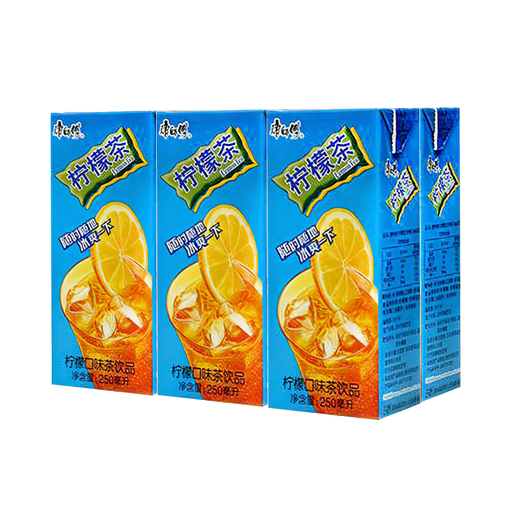
Why this fits the profile: A straightforward pack of six 250 ml portions for anyone wanting to try a lemon iced tea without committing to a large tray.
The product page clearly states 6 × 250 ml and 9.5 g of sugar per 100 ml. This allows you to assess the quantity and sugar content in advance.
Black tea with lemon flavour, ready to drink and in a compact 1.5-litre total pack.
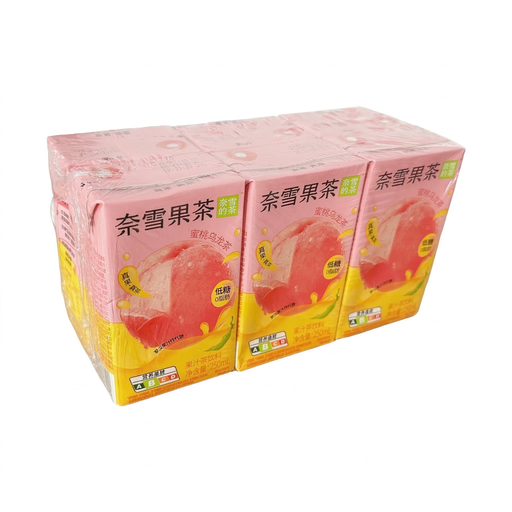
Why this fits the profile: Ideal for anyone looking for a fruity peach iced tea with oolong tea and wanting to compare ingredients more closely.
The product information states 4.8 g of sugar and 20 kcal per 100 ml, plus at least 10% fruit juice according to the product specification.
Oolong tea, peach and apple juice from concentrate, and six 250 ml bottles.
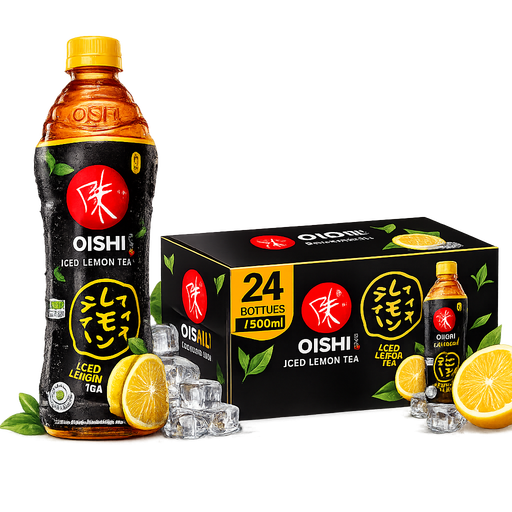
Why this fits the profile: A large Asian iced tea multipack for offices, families, parties or catering businesses wanting to serve 500 ml portions.
The size and quantity are clearly stated: 24 bottles of 500 ml. The product page also mentions 10 g of sugar per 100 ml.
Black tea from Thailand according to the product description, lemon flavour and 12 litres total volume.
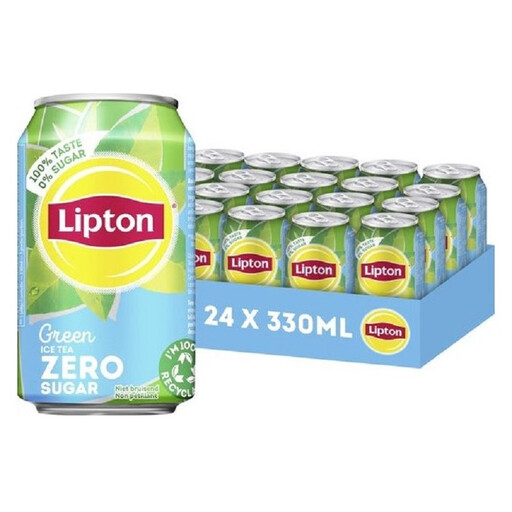
Why this fits the profile: A stock-up can for anyone looking for green iced tea without sugar and who finds chilled 330 ml portions convenient.
The stated nutritional values are 0 g of sugar and 1 kcal per 100 ml. This makes the choice much clearer than with products that only carry a general low-sugar claim.
24 cans of 330 ml, green tea extract and a citrusy flavour according to the product description.
We've put together a full, up-to-date list of products that fully meet these strict selection criteria and comply with current European safety regulations.
That depends on the current product variant. In this selection, Lipton Ice Tea Green Zero states 0 grams of sugar per 100 ml. Other low-sugar variants still contain some sugar, such as Lipton Green Lemon with 2.2 grams per 100 ml. Always check the nutritional information table on the packaging.
Follow the manufacturer's instructions. The product information for several variants states that the drink must be refrigerated after opening and used within a certain period. This period varies by product, so check the bottle, can or carton.
A tray can be better value per portion or per litre, but that depends on the price and the volume. Divide the total price by the number of litres and consider storage space, flavour preferences and the storage time after opening. For an office or catering environment, a multipack is often practical; for occasional use, a smaller pack can help avoid waste.
