
Vandaag of morgen in huis

Kwaliteit gegarandeerd

Welkomstaanbiedingen ontgrendelen: GRATIS bezorging | Tot 80% korting | Gratis 30 dagen JoyPlus-proefperiode
Download de app
As soon as the temperature rises, so does the craving for a refreshing iced coffee. But the search for the perfect cold coffee, whether you buy it ready-to-drink or make it yourself, is fraught with pitfalls. Many products overpromise and underdeliver, and unsuitable equipment leads to disappointing results. As a Joybuy Product Recommendation Officer, I'm here to help you see through the marketing jargon and make choices that truly deliver. Let's discuss the three most common mistakes.
To avoid these pitfalls, there are a few concrete specifications you should check before buying. This will save you money and disappointment.
Look beyond the front of the package. The order of the ingredients is crucial.
Making iced coffee at home gives you complete control over the flavour and ingredients. The right tools are half the battle.
A good glass is more than just for presentation; it's functional.
Based on these objective criteria, we have selected a number of products that suit different needs.
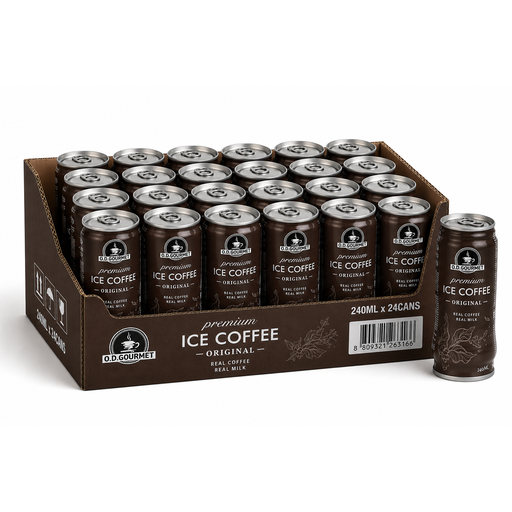
Why This Fits Their Persona: Ideal for busy professionals or students looking to stock up. No fuss, just grab a can from the fridge for a quick and consistent pick-me-up.
This product avoids the sugar trap. The ingredients list is clear and the sugar content (5.7 g per 100 ml) is balanced, ensuring the coffee flavour isn't overpowered.
The bulk pack of 24 offers convenience and good value. The taste is smooth and lightly sweet, making it approachable for daily consumption.
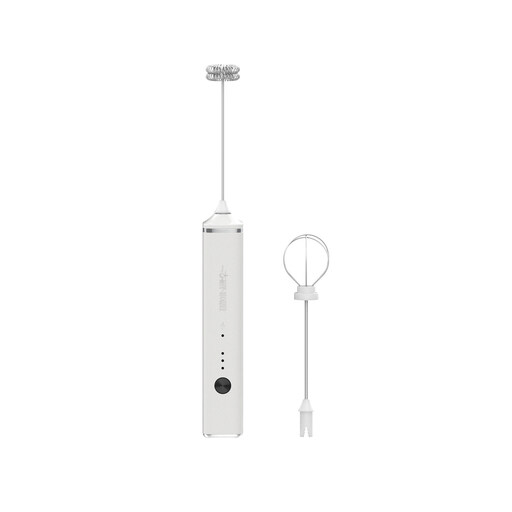
Why This Fits Their Persona: For the coffee lover who wants to create the perfect iced coffee at home. This device provides the control and quality needed for a creamy, cold foam layer.
This is a 3-in-1 model that explicitly features a cold foam function. This completely avoids the pitfall of a lukewarm, flimsy foam layer.
Versatility: makes both hot and cold foam. The stainless steel whisk is durable and easy to clean. Also available in black.
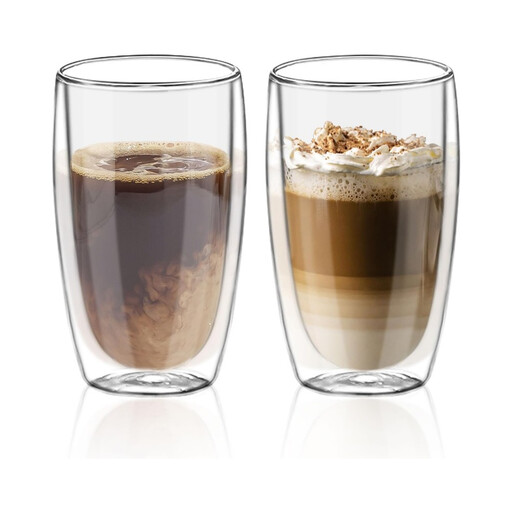
Why This Fits Their Persona: For those who consider the drinking experience as important as the drink itself. These glasses not only look great but also keep your iced coffee perfectly chilled.
These glasses solve the annoyance of condensation and rapid warming. The double-walled borosilicate glass construction insulates effectively, keeping your drink cold and your table dry.
The large 450 ml size is ideal for a generous iced coffee with ice cubes and foam. The glasses are heat-resistant and microwave-safe, making them suitable for hot beverages as well.
We have compiled a complete, up-to-date list of products that meet these strict selection criteria and local regulations.
The simplest solution is to use coffee ice cubes. Brew a pot of strong coffee, let it cool, and freeze it in an ice cube tray. Use these cubes instead of regular ice cubes. Another method is 'flash chilling': pour a freshly brewed, hot, and strong espresso directly over a glass full of ice. The rapid cooling limits dilution and preserves the intense coffee flavour.
Although the terms are often used interchangeably, canned coffee typically refers to the metal packaging, a format particularly popular in Asia that often has a purer, less sweet coffee flavour. Ready-to-drink iced coffee is a broader category that also includes beverages in cartons or plastic bottles, often with more flavour variations like vanilla, caramel, or mocha. The key advice remains the same: always check the ingredients list, regardless of the packaging.
Not every type of milk yields the same result. For a firm and stable cold foam using a milk frother, whole cow's milk and special barista-edition oat milk generally work best. This is due to their higher protein and fat content. Skimmed milk can also produce foam, but it is often lighter and collapses more quickly. It's worth experimenting with small amounts of different types of milk to discover what you like best.
