
Occasional iced coffee maker
If you make one or two glasses whenever you fancy them, it’s useful to compare the stated time and quantity for the first batch of ice. KitchenBrothers, Princess and DOMO list cycle times for specific models.


For one or two iced coffees, the stated time and quantity for the first batch of ice are more useful to compare than the maximum daily output. Also check whether the machine fits on your worktop and how to drain and clean it. Manufacturer specifications are not the result of a side-by-side real-world test, and don’t guarantee the same results in every kitchen.
If you make one or two glasses whenever you fancy them, it’s useful to compare the stated time and quantity for the first batch of ice. KitchenBrothers, Princess and DOMO list cycle times for specific models.
If you want to put the appliance away between uses, check its dimensions and whether it’s practical to move. KitchenBrothers lists a handle for model KB1000759.
If you make ice often, consider how easy the machine is to empty and clean, not just the first batch. DOMO lists a removable ice basket and a drainage opening for the DO9220IB.
First compare the initial batch of ice with when you want your drink, then check the space you’ll need and how to empty and clean the machine after use.
| What to consider | What should you check? | Who is this important for? |
|---|---|---|
| Wait for the first batch of ice | Compare the stated cycle time and number of cubes per cycle for the exact model. Treat these figures as manufacturer specifications, not guaranteed waiting times. | If I only make ice when I want to have my coffee, I want to know when the first usable portion will be ready. Around 33% of consumers prioritise the wait for that first batch. |
| Space and storage | Measure the space available and check the external dimensions, handle and tank capacity. A smaller tank may mean you need to top it up more often when making several batches. | If you want to keep your worktop clear, consider how easy the appliance is to move and store, too. Around 27% of consumers put available space first. |
| Emptying and cleaning | Check whether the basket is removable, whether you can access the drain and what cleaning steps the manual recommends. A self-cleaning function doesn’t replace these instructions. | If I use the machine regularly, I want to be able to remove the ice and any leftover water easily after a cycle. Around 20% of consumers prioritise easy maintenance. |
| Ice cube size | Check how many ice sizes the exact model offers and compare the number of cubes per cycle with what you need for your glasses. | If you want to choose between different glasses or ice sizes, this setting could be the deciding factor. Around 20% of consumers choose primarily based on their preferred ice size. |
A figure in kilograms per 24 hours describes production over a longer period, not how much ice fits in the collection basket at once.
If you want to make a drink straight away, compare the first cycle. If you want to keep ice for later, make sure you have space in your freezer.
For later use, remove the ice from the basket and store it in the freezer.
A cleaning function doesn’t automatically mean you’ll never need to empty the machine or can skip the cleaning instructions. You may also need to carry out maintenance after leaving it unused for a long time.
Check whether the basket is removable and the drain is accessible, and follow the manual for your chosen model.
Allow time to empty and clean the machine after use, and follow the manual’s instructions on any cleaning products.
A larger tank doesn’t tell you how many cubes will be ready in the first cycle, and it may take up more worktop space.
Compare the tank capacity with the stated first-cycle output and the appliance’s dimensions.
The KB1000759 and KB1000692 models are examples of different tank capacities and stated cycle times in the range.
Model 283098 is worth considering if a short stated first cycle and a choice of ice sizes are important to you.
The DO9220IB may suit you if a removable basket and access to the drain are important.
These ice maker picks from Joybuy are designed for drinks. For each model, compare the stated first cycle and ice sizes with the space available and how you’ll use it.
 No image available
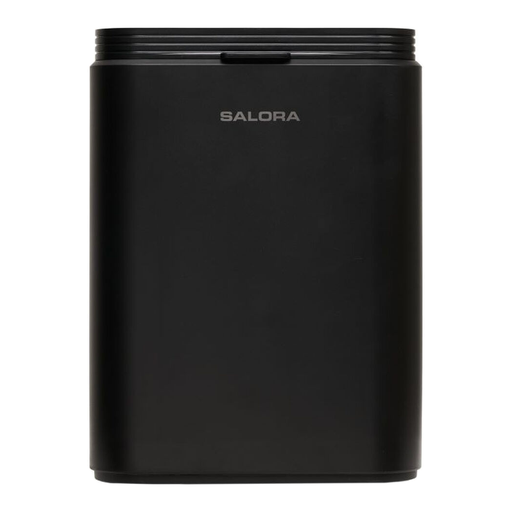
An option to compare if a stated first cycle and a choice of ice sizes are important to you.
The product name lists two ice sizes, a 1.3-litre reservoir and a stated production time of 6–9 minutes.
The product name lists an output of 12 kg per 24 hours; this isn’t the amount ready at once.
 No image available
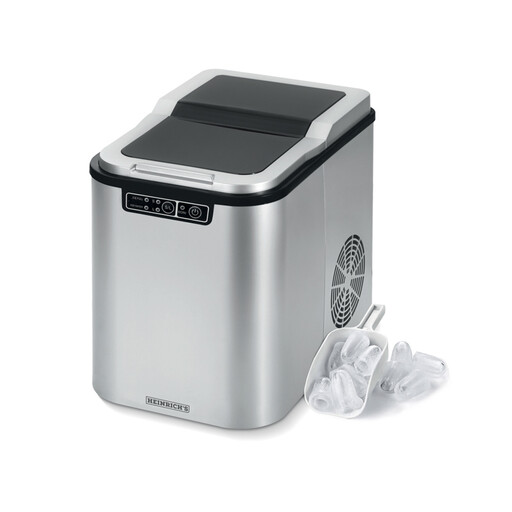
An option if you want to compare a stated first batch and a choice of two ice sizes.
The product name lists 9 ice cubes in 9 minutes, two ice sizes and a 2.2-litre tank.
The product name also lists a self-cleaning function and an output of 12 kg per 24 hours.
 No image available
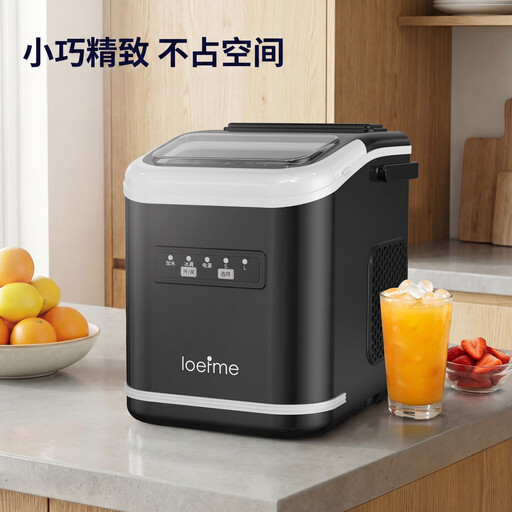
An option if you want to compare two ice sizes and the stated cycle suits your needs.
The product name lists 9 ice cubes per 6–13-minute cycle, two sizes (S/L) and a 1.4-litre tank.
The product name lists automatic cleaning and an output of 12 kg per 24 hours.
 No image available
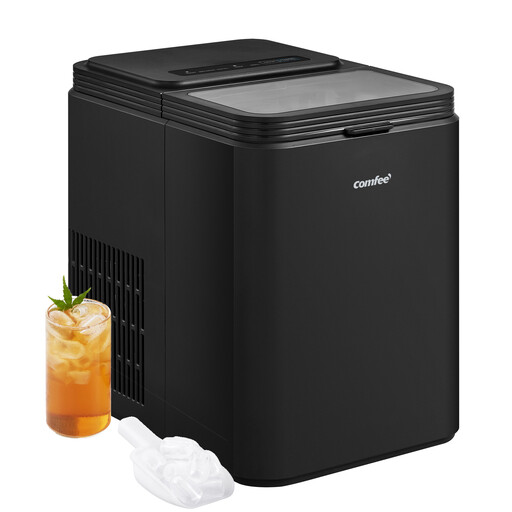
An option if you want to compare the stated first cycle and the choice of ice sizes.
The product name lists 8 ice cubes in 6 minutes, two ice sizes and a 1.3-litre tank.
The product name lists a self-cleaning function, an output of 12 kg per 24 hours, and an ice scoop and basket.
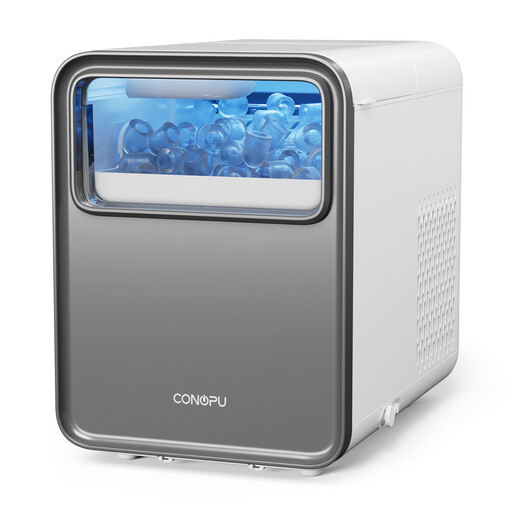 No image available
An option if you want to compare a stated first cycle and a choice of ice sizes.
The product name lists 9 bullet ice cubes in 6 minutes and two ice sizes.
The product name lists a self-cleaning function, a basket and a scoop. The stated daily output is 26.5 lbs.
Not if you usually make one or two iced coffees straight away. In that case, first compare the stated cycle time and number of cubes in the first cycle. Output per 24 hours doesn’t tell you how much ice fits in the basket at once.
Yes. If you want to use it later, remove the ice from the basket and store it in the freezer. For the DO9200IB, DOMO recommends using a freezer bag; check the manual for your own model. Daily output doesn’t mean the machine has built-in freezer storage.
Start by checking the manual for your model. Euhomy recommends that if an ice maker hasn’t been used for months, you should discard old water and ice, empty and clean the machine, and not use the first batch. Follow the prescribed steps and use the recommended cleaning products for your appliance.
According to the Dutch government, electronic appliances sold in the EU must have a CE marking. Check the product and seller information; a statement on a sales page alone doesn’t prove that a specific item meets all the requirements.
No. According to ACM ConsuWijzer, the legal guarantee depends on what you can reasonably expect from the product with normal use. If a product is faulty, contact the seller.