
Workshop host serving several drinks at once
You want ice ready when several participants are being served at the same time. The first batch and the amount you can scoop out at once matter more than the daily output alone.


Choose a countertop model based on when you need the ice and how much you want to scoop out at once. The first cycle and ice basket tell you more about this than the stated daily output alone. Also compare the water tank, worktop space and cleaning requirements. If you expect demand to exceed the ice available straight away, plan to make ice in advance and store it in a separate freezer. Manufacturers’ figures don’t automatically tell you how much ice will be ready for your workshop.
You want ice ready when several participants are being served at the same time. The first batch and the amount you can scoop out at once matter more than the daily output alone.
You can build up a supply before the workshop and want to know how much ice you’ll need to take out of the machine during the session and store separately.
You need to fit the machine among other kitchen appliances, so you’ll want to check its dimensions, access to the water tank and the space needed to use it.
| What to consider | What should you look for? | Who is this most important for? |
|---|---|---|
| Ice for the first serving | Check both the time and the number of cubes in the first cycle, then match them to when you’ll be serving drinks and how many cubes you want in each one. | If I’m serving drinks straight after starting the machine, I want to know how much ice will be ready in time; around 33% of consumers put the first serving first. |
| Ice supply during the workshop | Compare the ice basket’s capacity with how much you’ll need at once, and decide whether you can make ice in advance and store it in a freezer. | If I can prepare ice in advance, I want to know how much I’ll need to store during the session; around 27% of consumers prioritise planning their supply. |
| Worktop space and refilling | Measure the available space and check that you can reach the tank and ice basket. Then compare the external dimensions and tank capacity of the model you’re considering. | If my worktop is already full or I have little time to refill the water, I want to take the practical space and ease of use into account; around 20% of consumers put this at the top of their list. |
| Cleaning and serving ice responsibly | Follow the instructions for cleaning the tank, basket and scoop. If you’re considering a specific product, ask for information about materials that come into contact with water and ice. | If I’m serving ice in drinks, I want to be able to assess the cleaning requirements and information about contact materials; around 20% of consumers consider this their main concern. |
A figure for 24 hours doesn’t tell you how much ice will be ready for the first drinks or how much you can scoop out of the basket at once.
For the planned serving time, compare the first cycle and the capacity of the ice basket. Don’t base your plans on kilograms per day alone.
The tank holds water for making ice, while the ice basket determines how much you can scoop out at that moment.
Check the capacity of each separately for the exact model.
Specifications can vary between versions with different product or type numbers.
Compare the brand, full model or product number, and relevant specifications for the exact version.
According to ACM ConsuWijzer, your statutory guarantee applies alongside any manufacturer’s warranty. What you can reasonably expect from a product also matters.
Keep your proof of purchase and contact the seller about a fault that occurs during normal use.
The ICE12B is worth considering if you want to compare a compact machine and its stated first cycle.
The 283069, version 01.283069.01.001, is worth considering if you want to factor in the ice basket and different ice sizes.
The black KB1000719 is worth considering if you want to refill the water less often.
The black Ice Cube Express, type 8510, product number 97983, is worth considering if you want to compare its dimensions and self-cleaning function.
This Joybuy selection includes ice makers designed to produce a first batch quickly, as well as a model with a higher stated first-cycle output.
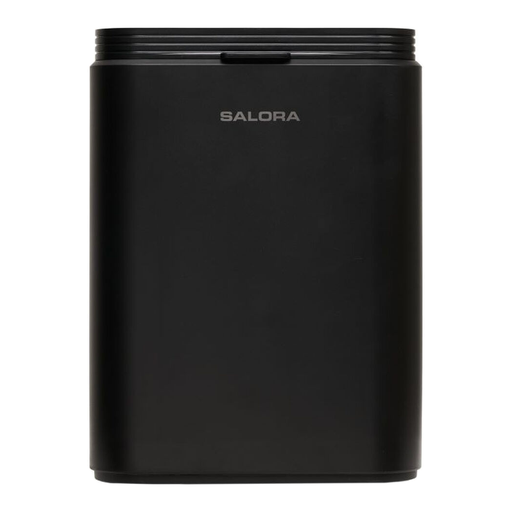 No image available
Ideal if you want to plan for a first batch of ice for drinks soon after starting the machine.
The title states that it makes eight ice cubes in 6–9 minutes, has a 1.3-litre water tank, offers two ice sizes and has a stated output of 12 kg per 24 hours.
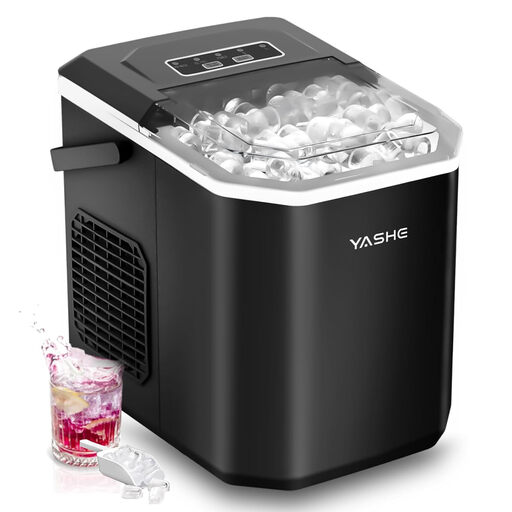 No image available
Ideal if you want to compare a stated cycle of nine cubes in six minutes for the first drinks.
The title states that it offers two ice sizes and a maximum daily output of 26 lb.
The product description also mentions a self-cleaning function and carrying handle.
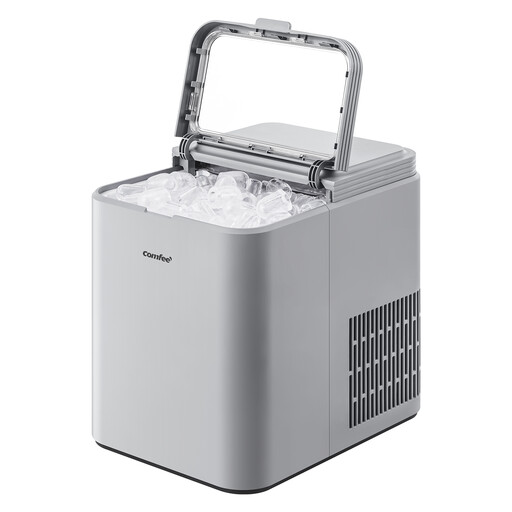 No image available
Ideal if you want to factor in the first batch and tank capacity when planning drinks for your workshop.
The title states that it makes eight ice cubes in six minutes, has a 1.3-litre water tank, offers two ice sizes and has a stated output of 12 kg per 24 hours.
The title also mentions a self-cleaning function, ice basket and ice scoop.
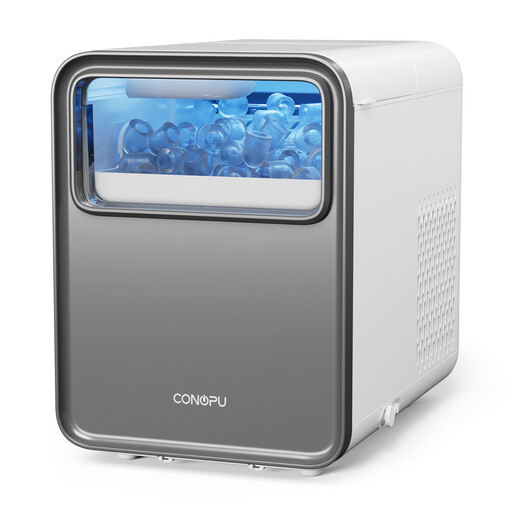 No image available
Ideal if you want to compare the stated first cycle and ice sizes for drinks during your workshop.
The title states that it makes nine ice cubes in six minutes, offers two sizes and has a daily output of 26.5 lb.
The title also mentions a self-cleaning function.
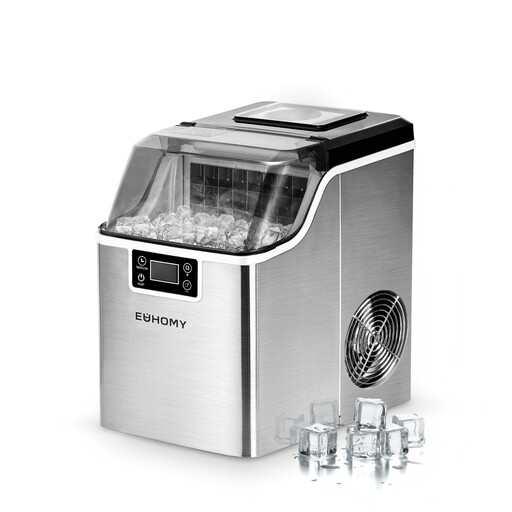 No image available
Ideal if you want to compare a higher stated first-cycle output for serving several drinks at once.
The title states that it makes 24 ice cubes in 13 minutes, has a 3.2-litre tank and has a stated output of 24 kg per 24 hours.
The title also mentions a self-cleaning function, ice basket and ice scoop.
No. For the start, compare the number of cubes and the time taken for the first cycle. The ice basket matters if you need to scoop out several servings at once. The 24-hour output is a separate figure supplied by the manufacturer.
Decide when you’ll be serving drinks and how many cubes you want to use in each one. Make sure the tank and ice basket are accessible, and prepare a supply in advance if the first cycle or basket capacity won’t meet your needs at the planned time. Follow the instructions for the specific model when it comes to positioning, water and cleaning.
No. Solis lists this feature for the Ice Cube Express, but that specification doesn’t prove that the basket, scoop and surfaces that come into contact with ice will stay clean without further checks. Follow the cleaning instructions for the specific model.
No. CE marking for applicable electrical product rules and rules for materials that come into contact with food address different requirements. The European Commission states that materials that come into contact with food are covered by Regulation (EC) No 1935/2004. For a specific product, ask for relevant product information. A logo or general sales description alone doesn’t show that a particular model meets the applicable requirements.
It depends on the activity. According to the NVWA, rules on safe food handling apply when you sell food or drink to consumers. If you sell food several times a year, the NVWA says registration and a food safety plan or hygiene code are compulsory. Whether this applies to your workshop depends, among other things, on whether you sell food and how often.