
Vandaag of morgen in huis

Kwaliteit gegarandeerd

Welkomstaanbiedingen ontgrendelen: GRATIS bezorging | Tot 80% korting | Gratis 30 dagen JoyPlus-proefperiode
Download de app
Buying an ice maker seems straightforward, until you discover how many different appliances come under the same name. An ice maker quickly makes ice for drinks, while an ice cream maker works with a frozen base. A slush maker has different requirements when it comes to ingredients and preparation.
Choosing the wrong appliance can leave you with one that’s too small, difficult to clean or requires more preparation than expected. So don’t focus only on a low price or a long list of features. Pay particular attention to capacity, preparation time, size and how the appliance works.
For a compact ice maker, “ready in a few minutes” usually means that the first small batch of ice is available. The total daily output is lower than the first cycle might suggest. So check both the time to the first batch and the stated production capacity per 24 hours.
Ice cream makers work differently. Some models need a freezer bowl to be placed in the freezer for at least eight hours beforehand. Models that use a pre-frozen base may also need a full 24-hour freezing period.
A 2-litre water reservoir doesn’t mean you can store 2 litres of ice at once. For an ice maker, the water reservoir, ice basket and daily output are separate specifications. For an ice cream maker, the maximum mixture quantity is often less than the bowl’s capacity.
So consider how much you want to serve at a time. A home ice maker with a larger batch capacity is more convenient for a family or a party. A compact ice maker may be more practical for a small flat, caravan or home bar.
A self-cleaning ice maker usually rinses internal components with water. This cuts down on manual work, but doesn’t always remove the need to empty, dry and wipe down the appliance. Check that the water outlet is easy to access and that removable parts can be cleaned separately.
With appliances that have blades, mixing arms or a compressor, the motor base must not be immersed in water. Always follow the instructions and unplug the appliance before assembling, dismantling or cleaning it.
First, decide what you want to make:
An ice maker doesn’t replace an ice cream maker, so check the product category before you order.
Pay attention to these three figures:
A model with a 1.3 to 1.5-litre reservoir is suitable for regular use with small groups. For longer parties, a larger 3.2-litre reservoir may mean fewer refills. The ice basket is still a limiting factor, though: remove the ice in good time or store a supply in the freezer.
An automatic cleaning function is handy, but also look for:
Product specifications describe a noise level of around 45 to 50 dB as relatively quiet, but the noise you hear can vary from room to room. A compressor appliance also needs sufficient space for ventilation.
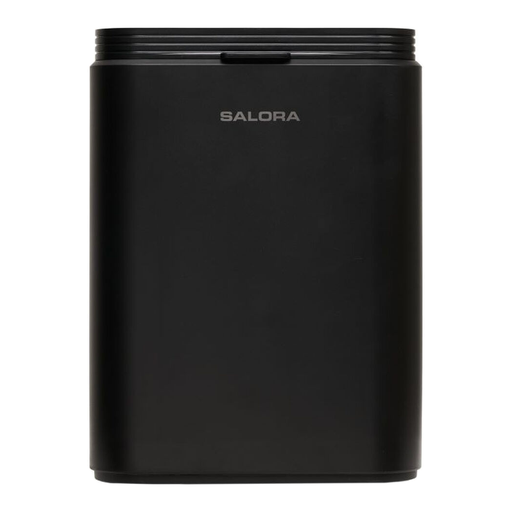
Why it suits this profile: This model is designed for anyone who wants to make ice cubes quickly without complicated programmes. It has a compact design and one-button operation.
The product specifications state both 6–9 minutes for the first 8 cubes and an output of 12 kg per 24 hours. This makes the difference between start-up speed and daily capacity clear.
1.3-litre reservoir, two ice sizes, full-ice and low-water alerts, and an included ice scoop.

Why it suits this profile: Ideal for home cooks who want to make a range of desserts, including ice cream, gelato, sorbet, milkshakes and frozen yoghurt.
The preparation is clear: the base needs to be frozen for 24 hours. This helps you avoid buying an appliance expecting it to process liquid ingredients straight away.
800 W power, 7 programmes, two BPA-free tubs with a combined capacity of 0.95 litres, and removable parts that are dishwasher-safe.
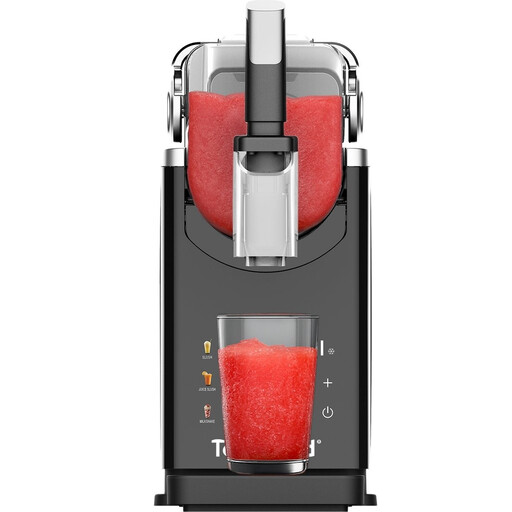
Why it suits this profile: A good choice for parties, a home bar or families who want to make milkshakes, cold drinks and cocktails as well as slushies.
The product specifications state that sugary drinks are needed to achieve the right slush consistency. This makes the appliance’s limitations clear from the outset.
1.8-litre liquid capacity, six programmes, a self-freezing system that doesn’t need ice cubes, and a rinse programme.
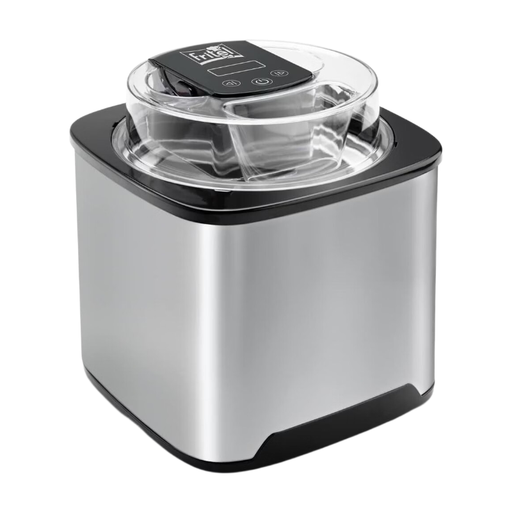
Why it suits this profile: Its 2-litre capacity is designed for larger portions of ice cream, sorbet or frozen yoghurt for several people.
The requirement to pre-freeze the bowl for at least 8 hours is clearly stated. This means you can plan ahead rather than expecting quick results without any preparation.
2-litre capacity, 5–45-minute timer, touch display, filling opening and viewing window.
We’ve put together a full, up-to-date list of products that meet these strict selection criteria and the applicable European safety regulations.
It depends on the appliance’s power, how long you use it and the type of appliance. A compact 120 to 180 W ice maker typically uses less electricity per hour than a larger 265 W slush maker. With an ice cream maker, you’ll also need to factor in the freezer used to chill the bowl or base beforehand. So compare more than just the purchase price: consider the preparation and cleaning time too.
Its lifespan depends on use, maintenance and storage. After use, empty the water reservoir, let the inside dry and run the cleaning programme if one is available. Place the appliance on a stable surface, keep the ventilation openings clear and don’t move a compressor appliance straight after use. Also check the warranty terms and whether replacement parts are available.
A compact ice maker can be handy for a campsite, caravan or boat, but check its size, weight, voltage and ventilation clearance first. Only use the appliance on a stable, dry surface and connect it according to the manufacturer’s instructions. An ice maker with a larger reservoir is useful for parties and groups, but it’s less portable than a smaller model.
