
A quick drink after class
You don’t want to wait long for the first batch when you get home. So compare the time and output per cycle, not just the daily production. DOMO, Princess and CASO give product-specific times or output figures.


Want to chill a drink quickly when you get home? Compare the stated time to the first batch and the number of ice cubes per cycle. Daily capacity tells you less about when your first ice will be ready. Measure the space on your worktop too, and decide whether you’ll be making ice for one drink or several. The stated times and capacities are manufacturer figures, not results from a controlled, like-for-like test.
You don’t want to wait long for the first batch when you get home. So compare the time and output per cycle, not just the daily production. DOMO, Princess and CASO give product-specific times or output figures.
You’re looking for a machine that fits on your worktop, and need to weigh its compact dimensions against the tank capacity and how often you might need to refill it. DOMO and Solis provide product-specific dimensions or tank capacities.
You’re making several drinks in a row or want to store ice in the freezer. A larger tank and a practical ice basket may be worth considering; DOMO and KitchenBrothers describe features of the models reviewed.
| What to consider | What to look for | Who it matters more to |
|---|---|---|
| First batch | Compare the stated time to the first cycle and the number of cubes it makes. Daily capacity doesn’t tell you when the first batch will be ready. | If I want ice quickly for my first drink after class, I look at the first cycle. Around 39% of consumers say the speed of the first batch is their main consideration. |
| Space and refilling | Measure the available space and compare the machine’s dimensions separately from the tank capacity. | In a small kitchen, I want to know whether the machine will fit and how much water its tank holds. Around 23% of consumers prioritise limited worktop space. |
| Cleaning and draining water | Check how to access the basket, drain the water and clean the model according to its manual. A self-cleaning function doesn’t automatically mean manual cleaning is unnecessary. | With regular use, I want to be able to clean and empty the machine easily afterwards. Around 23% of consumers make easy maintenance their main priority. |
| Several batches | Check the tank, ice basket and stated daily production separately. To build up a supply, you’ll need to transfer the ice you’ve made to the freezer. | If I’m making several drinks in a row or want to store ice, the output over several cycles matters too. Around 15% of consumers prioritise making several batches or building up a supply. |
A figure in kilograms per 24 hours describes production over an entire day. It doesn’t tell you how much ice will be ready for your first drink.
If you’ll be using it after class, compare the stated time and output for the first cycle. Look at daily capacity only if you want to make ice repeatedly.
You may need to wait for subsequent cycles to make several batches; store the ice you’ve made in the freezer.
A self-cleaning function and a way to drain water are two different features. How else to clean the machine depends on the model’s manual.
Before buying, check how to access the basket, drain the water and clean the machine according to the model-specific instructions.
Cleaning the machine and emptying the water take time after use.
Similar general features don’t prove that two ice makers are the same product. Check the exact model name and product specifications.
Compare the brand, full model number and key features before treating an alternative as identical.
The models reviewed offer a range of tank capacities and appliance sizes to suit different worktop spaces and ice-making needs.
The KB1000719 reviewed is a worktop model with a 2-litre tank, designed for making several batches in a row.
The 283069 reviewed focuses on adjustable ice cube sizes, a display and a timer.
The Ice Cube Express black, type 8510, reviewed has a stated 1-litre tank and makes two ice cube sizes.
According to CASO, the IceMaster Pro 3301 reviewed has a 2.2-litre tank and makes two ice cube sizes.
These Joybuy picks are worktop models for making ice for cold drinks. Compare the stated first-batch time, tank capacity and maintenance features with the way you plan to use yours.
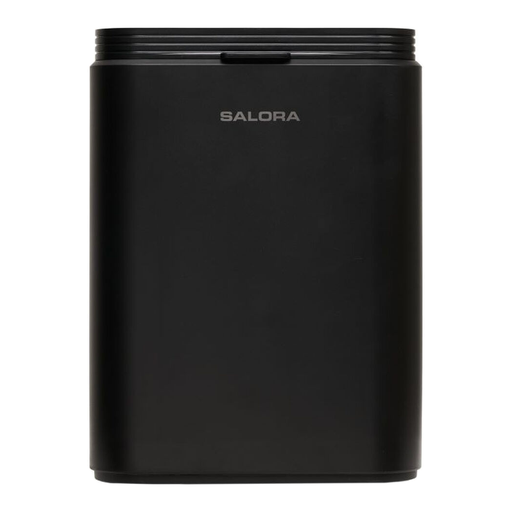 No image available
This machine may suit you if, when you get home, you mainly want to compare how quickly it makes the first batch for a drink.
The description states that it makes 8 ice cubes in 6–9 minutes, has a 1.3-litre reservoir and offers two ice sizes. The title lists production of 12 kg per 24 hours.
The description recommends draining any remaining water after use and wiping the inside with a soft cloth.
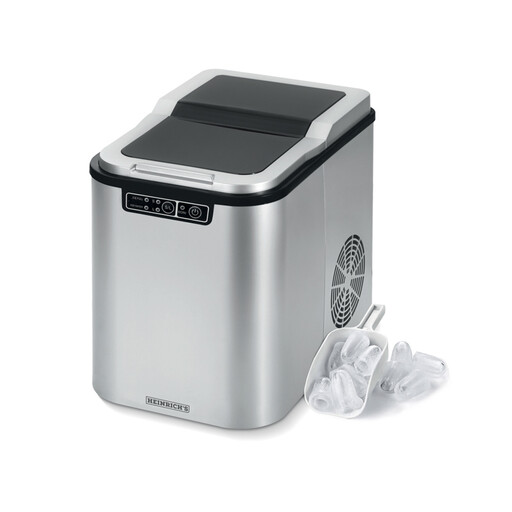 No image available
This worktop model is worth considering if you’re looking for a larger tank and a self-cleaning function as well as a first batch of ice.
The title lists 9 ice cubes in 9 minutes, two sizes, a 2.2-litre tank, a self-cleaning function and production of up to 12 kg per 24 hours.
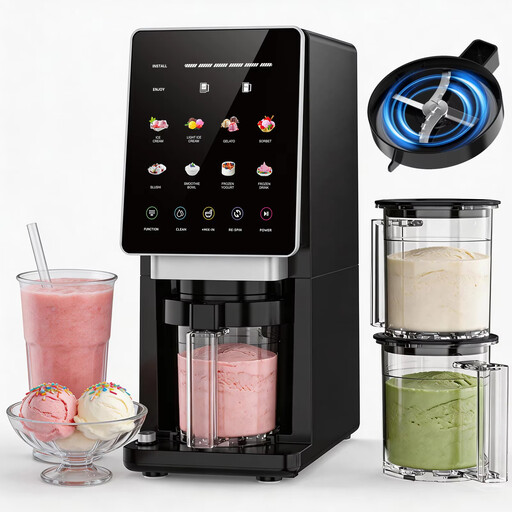 No image available
This worktop model is worth considering if pre-set programmes and extra functions are important to you.
The title lists 8 pre-set programmes, a self-cleaning function, and mixing and restart functions.
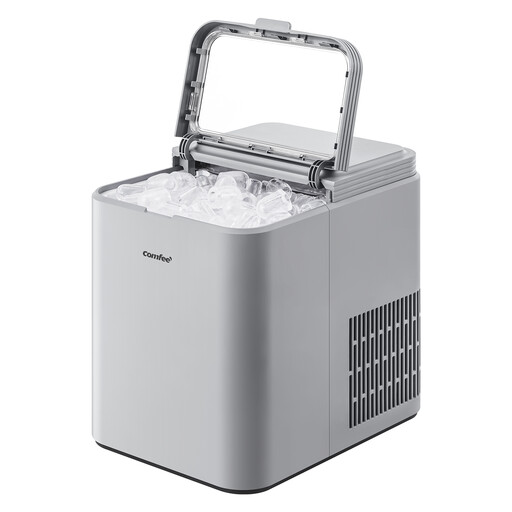 No image available
This machine may suit you if the stated first-batch time and choice of two ice sizes fit the way you plan to use it.
The title lists 8 ice cubes in 6 minutes, a 1.3-litre tank, two sizes, a self-cleaning function, a scoop and a basket.
The title also lists production of 12 kg per 24 hours; that doesn’t mean the same amount is available straight away.
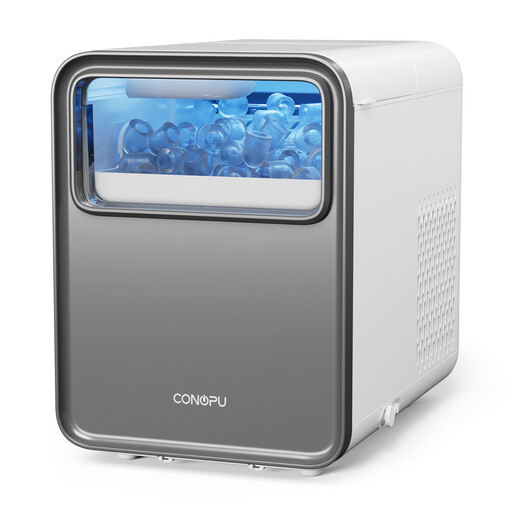 No image available
This model is worth considering if you want to weigh the stated time per batch against the tank capacity and cleaning features.
The title lists 9 ice cubes in 6 minutes, two sizes and a self-cleaning function. The description gives a tank capacity of 1.5 litres and mentions a basket.
Not as your only measure. For this use, compare the stated time and number of cubes in the first cycle; 12 kg per 24 hours describes production over a longer period. These are manufacturer figures.
Use a freezer to store ice. DOMO says you can freeze the cubes made by the DO9253IB; stated daily production doesn’t mean the machine has built-in freezer storage.
According to the Dutch government, you should contact the retailer to claim your statutory guarantee. The Netherlands doesn’t have a fixed statutory two-year guarantee period; what you can expect depends, among other things, on the product and the sales information. An extra guarantee is only worthwhile if it gives you additional rights.
The NVWA states that CE marking is compulsory for electrical products; it isn’t an independent inspection of every individual item. EU rules also set requirements for materials intended to come into contact with food, including food-processing equipment. Check the product and manufacturer details for the specific appliance.
If you’re a private consumer buying a new, similar appliance, the retailer must take back your old one free of charge, according to the Dutch government. This also applies to online purchases; the practical arrangements for dropping it off or having it collected may vary.